 Spotify
  Apple Podcasts
  Amazon Music
  iHeartRadio
  Podchaser
  YouTube
Amy McKiernan on Reclaiming Your Story From Survivor to Empowered | 1,536
Amy McKiernan is helping survivors discover that their story does not end with what happened to them. It begins with what they choose to do next.
As the author of More Than A Survivor, Amy speaks to one of the most difficult realities a person can face: recovering from sexual assault and reclaiming a sense of identity, safety, and hope. Her work provides a pathway forward, helping survivors move beyond merely enduring the past and toward building lives defined by confidence, purpose, and authentic peace.
But Amy's mission extends beyond individual healing. Through her work with schools, universities, and organizations, she helps create conversations and cultures that prioritize dignity, respect, prevention, and accountability. Her message is both personal and practical, empowering people to become part of the solution.
Professionally, Amy serves as a Director of Employee Relations, where she helps foster environments built on trust, communication, and human connection. Across every role she holds, advocate, author, leader, wife, and mother, she is guided by a simple but powerful belief:
People are stronger than their worst experiences, and healing is possible when courage meets support.
━━━━━━━━━━━━━━━━━━━━━━━
Enjoying the show? Support the conversation!
👉 Today’s guest: www.amymckiernan.com
🎬 Need standout video, podcast, or branding content?
🌐 www.positivetalkproductions.com
📡 Listen on BLEAV:https://bleav.com/shows/positive-talk-radio/
🍎 Apple Podcast:https://podcasts.apple.com/ph/podcast/positive-talk-radio/id1592839447
👍 Like • 💬 Comment • 🔔 Subscribe
#PositiveTalkRadio #Podcast #Inspiration
━━━━━━━━━━━━━━━━━━━━━━━


Amy McKiernan is helping survivors discover that their story does not end with what happened to them. It begins with what they choose to do next.
As the author of More Than A Survivor, Amy speaks to one of the most difficult realities a person can face: recovering from sexual assault and reclaiming a sense of identity, safety, and hope. Her work provides a pathway forward, helping survivors move beyond merely enduring the past and toward building lives defined by confidence, purpose, and authentic peace.
But Amy's mission extends beyond individual healing. Through her work with schools, universities, and organizations, she helps create conversations and cultures that prioritize dignity, respect, prevention, and accountability. Her message is both personal and practical, empowering people to become part of the solution.
Professionally, Amy serves as a Director of Employee Relations, where she helps foster environments built on trust, communication, and human connection. Across every role she holds, advocate, author, leader, wife, and mother, she is guided by a simple but powerful belief:
People are stronger than their worst experiences, and healing is possible when courage meets support.
Today’s guest: www.amymckiernan.com
Hosted by Simplecast, an AdsWizz company. See pcm.adswizz.com for information about our collection and use of personal data for advertising.
Unknown Speaker (0:00): So you're running out of closet space. The good news? You don't need to stop shopping. You just need to start selling with The RealReal. The RealReal is the world's largest and most trusted resource for authenticated luxury resale.
Kevin McDonald (0:12): Whether it's that mini bag that can't even fit your phone or those boots you never fully broke in, The RealReal handles everything from photography and copywriting to shipping and pricing. So you can just sit back, get paid, and make room for things that actually feel like you. And with 10,000 plus new arrivals every single day from top designers like Prada, Celine, Louis Vuitton, and Louave, all for up to 90% off retail, you're bound to find something perfectly on brand to fill that extra closet space with. Plus, right now, you can get an extra $100 to shop when you sell for the first time. Make room for what feels like you.
Kevin McDonald (0:48): Go to therealreal.com to start selling and get your extra $100 to keep shopping at therealreal.com. That's therealreal.com. Terms apply.
Muscle Milk (0:59): Everyone's talking about protein lately, but how do you actually get enough of it? Muscle milk. Muscle milk has a great tasting new formula with no artificial sweeteners, flavors, or added colors. It's high quality complete protein designed to support healthy muscles with fewer ingredients than the previous formula and 26 to 42 grams of protein. For when you're stuck in meetings or need a post workout recovery, available in chocolate, vanilla cream, cookies and cream, and strawberries and cream.
Muscle Milk (1:23): Try the new great tasting muscle milk today. Available in stores nationwide. Muscle milk, protein for all.
Thumbtack (1:29): You know, recommendations can be great. Maybe someone recommended this podcast, and here you are. But home projects are different. If a podcast isn't your thing, you lose a few minutes. If you hire your cousin's neighbor to mount your TV, you might end up with a lopsided screen and wall damage.
Thumbtack (1:44): Maybe I know a guy just isn't enough for your home. That's why Thumbtack works. It matches you with top rated local pros with photos, reviews, and credentials all in one place. For your next home project, try Thumbtack. Hire the right pro today.
Unknown Speaker (1:58): Only now.
Amy McKiernan (2:00): And welcome to the positive talk radio, everybody. My name is Kevin McDonald, and we've got a remarkable show. We've got a guest who's been with us before. Her and her story is so important. We had to bring her back.
Amy McKiernan (2:13): And not only that, she brought her dad with her, didn't she?
Rochelle (2:17): Know, Kevin. I'm so excited. Having support next to you is something that we're gonna talk about because it's monumental to our lives, but also the courage that Amy has to come back and share her story from different perspectives, teaching us more than a survivor and what that means. She's gonna help us provide eight keys to overcoming sexual assault and finding a path to living a fulfilled life.
Unknown Speaker (2:44): And we will be right back. There is a moment in every life when you decide to rise.
Unknown Speaker (2:50): To stand taller than your fear.
Unknown Speaker (2:52): To speak louder than your doubt.
Unknown Speaker (2:54): To chase the vision that sets your soul on fire.
Amy McKiernan (2:58): This is that moment. And here, we walk it together with stories that awaken, voices that inspire And truth that set you free. This is positive talk radio with Kevin
Unknown Speaker (3:11): And with Brichelle.
Amy McKiernan (3:12): Where hope has a voice And that voice is yours. And welcome to the show, everybody. This is gonna be a dynamic presentation, and it's gonna be so important. And, Rochelle, you said it best right before we began the show, and I would like you to repeat that for Amy, if you would.
Unknown Speaker (3:33): Which part? Before we joined in?
Unknown Speaker (3:36): Yeah. Before when you yes.
Rochelle (3:39): I'd love to. Yes. I I was telling Amy, everybody that I honor her so much from my point of view in life because I myself am the survivor of sexual assault. And I understand that it's not just in the timing that it affects you, it's forever. And not only the courage to come and speak upon that, but to stand for all of us and to speak together.
Rochelle (4:02): Amy, I absolutely love you for the end of time. And thank you so much for everything that you've created to help other people. And Rick, oh my goodness. It is so exciting to have you here and welcome to our team and our family. It's gonna be an amazing conversation.
Unknown Speaker (4:21): Thank you.
Brichelle (4:22): Thank you so much, Rochelle. Thank you for having having us. And it's people like you that give us this platform and that's just as important. And so we're just so happy to be here.
Amy McKiernan (4:33): Well and, you know, Amy and Rick and and I I'll have to ask Rick some questions about how he found out about this and all of that because I can't imagine. I had two boys, Amy. I do not know what it would have been like for me if I found that my if I had a daughter that that daughter had been abused in any way, shape, or form. I'm not sure I'd be sitting here talking to you. I'd probably be in jail.
Amy McKiernan (5:04): But, it's it's one of you know? So congratulations on everything that you are doing. And, Brichelle, let's get her website out so that people can go and and let's let's get the book, shall we?
Rochelle (5:18): Yes. Everybody, please go to amymckiernan.com. The last name is m c k I e r n a n. She's got everything there. There's actually two pages to the website.
Rochelle (5:33): So make sure you take a look at the second page as well. But please do tell us Amy about More Than a Survivor.
Brichelle (5:40): Yeah. So thank you for that. And More Than Survivor, it's not only my story, it's a journey for the reader. It's a journey for the reader to connect to their own story. And so in the book, share very vulnerably several experiences from my life.
Brichelle (6:08): Not only that, but I share the keys that I have come to name through my healing process. And it's titled More Than a Survivor because I believe in just that. And thanks to this guy over there for you know, he would tell me while I was going through my journey, he would say to me, you are not a victim. You are not an over you are not a survivor. You are an overcomer.
Brichelle (6:39): Yeah. And and and that, you know, he would say that and it and it'd be like, whatever. You know? Like, I was it's just whatever, dad. You know?
Brichelle (6:48): Okay. But it planted this seed, and he would say it over and over again. And I and I just wanna be clear that he didn't mean that I wasn't a a victim. I was. I I was a victim of several assaults.
Brichelle (7:03): Mhmm. And I did survive them. You know, I did. And surviving, being a survivor is powerful. I don't wanna take anything away from survivors because it is powerful and it's important.
Brichelle (7:15): It's an important step. But you know what? I just don't think that that's where your story ends. I think that there's more to it. I think that there is overcoming.
Brichelle (7:27): And that was the point that he was planting in my mind all those years ago. And today, nothing is truer for me, is I I really do feel like I have overcome these experiences to where they don't run my life, I run my life. They don't control the narrative, I do. And I get to be the strength. I get to be the confidence.
Brichelle (7:48): I get to be whoever I want to be without carrying the weight of the pain and trauma, which is so hard to do. And so this book is meant as a guide for anyone who's experienced trauma in their lives to be able to work through it in a way to where they also aren't controlled by it anymore, right? And it's like a step by step guide and there's this reflective journal that you can download and you can visit throughout reading so that you're connecting to your own story, not just mine. And so I think it's really powerful and I think it can help a lot of people. Also throughout, I share perspectives of my dad and my sister.
Brichelle (8:41): And I think that's really important too because they were my support people, along with my mom and my brother, and I had others too. But their voices matter and showing kind of their perspectives is so important because those are perspectives I wasn't really able to see at the time. And so it makes it a book that support people can also read and connect with and gain a deeper understanding of like, how do how? You know, like I feel lost. What do I do?
Brichelle (9:15): And the support system is so important for people who have experienced trauma. And I wanna be clear. I I'm very fortunate. My dad is sitting right there. I'm I'm fortunate that I had loving supportive parents, and I understand that not a lot of people do.
Brichelle (9:35): Yeah. And that doesn't mean that there isn't support out there for you. It just might look different than mine. And I just wanna hit that point home because, you know, that can be kind of a turnoff, right? It's like, oh, well, you had that and I don't.
Brichelle (9:48): But I'm telling you, finding the proper support system is such a necessary piece, and it can look like anything. It's gonna look like yours. It's not gonna look like mine. It's gonna look like yours, and it's gonna be beautiful. And those support people who are out there feeling like, I am not equipped, I promise you, you are, and he can speak more to that.
Brichelle (10:13): Because and that's why we're both here is because it's such a valuable piece for no matter who you are in that person's life and no matter what your support system looks like. And so here we are.
Rochelle (10:27): And Kevin, you know what's crazy is I've never thought about realizing that in I mean this in the best way, so try to help me guide it a little bit. But the way that I'm thinking about it is Rick's kind of a survivor too. He had to deal with his daughter going through something he did not know what the hell to even do and how to help her. So he survived that too and overcame and is an overcomer alongside of her.
Amy McKiernan (10:55): It's the whole family that that has to deal with that. And and I I have to say this at the very beginning, and Rick, I'll ask you to follow-up with this because because I'm a dude, I know how dudes think, and I want to tell you this, guys. No means no. Not maybe, not right now, it means no. Treat people with respect.
Amy McKiernan (11:26): If you've got thoughts in your heart about not treating people, especially women or lesser or weaker people than you, if you can't treat them with respect, you need to go get the help that will save you and them from the trauma of lifelong lifelong trauma. So no means no. Stop making victims out of people that you supposedly care about. And and Rick, I would love for you to expand on that if you would like.
Rick (11:58): Sure. First of all, you're absolutely a 100% right. It's a simple equation. Complete consent on both parties. Period.
Rick (12:09): Anything less than that is wrong. It's damaging, illegal, and should have grave consequences. There's no question about that. And as a male, sometimes the male approach to things is overwhelming. And I can tell you that, and we'll get into this in a few minutes, I'm sure, that in dealing with this, like you said Kevin earlier, if that happened, you might be in jail.
Rick (12:40): I can relate to that because you want to take things into your own hands and you are angry and your emotions can easily, easily override whatever clarity is in your mind. But you're right. Understandably, absolutely no means no, and no answer means no. Just be clear.
Amy McKiernan (13:06): Absolutely. And and Amy, you also have got a journal that I wanna make sure that everybody understands in companion to the book. Talk about that.
Brichelle (13:18): Yes. So very important. You can download the journal on my website. And if you have the book, which I have it right here, there's actually a QR code right in the first few pages, and that's where you can also scan and download the journal. And so it's a really important piece because it's a pause.
Brichelle (13:42): And you'll notice throughout reading, I'll ask you to pause, and I'll ask you to reflect, and then I'll ask you a question. And this is really meant to feel like I am asking you these things. Am talking to you. I want every reader to feel like this book is for them because it is. And I want them to hear my voice.
Brichelle (14:02): I want them to feel my presence, and I want them to feel less alone. And so you pause and you get to reflect on like, where are you at in this moment? What does think about these things. And in the journal, I give a few examples of where I was at, you know, so that you might if you feel stuck, have like, oh, okay. Yeah.
Brichelle (14:23): I see. Like, actually, that's where I'm at too. Or like, oh, that made me think of something. And and so you get to really just reflect on your own journey and write in this journal. And then the the best thing is is you can go back.
Brichelle (14:34): Like, I encourage you to also go back, like later in life and be like, where am I now? Like, oh, wow. You know? Like, I was there and now I'm here. And you know what?
Brichelle (14:43): You might have to go back 500 times and that is okay because healing isn't linear. It ebbs and it flows. Some days are strong. Some days you feel like you're back at the beginning, and that is all okay. That's all part of it.
Brichelle (14:57): It's not an overnight like fix, it's not an overnight thing that happens. So that's that's the purpose of the journal, and I really encourage people out there, if you're gonna read the book, to definitely download the journal as well. Awesome.
Amy McKiernan (15:12): And if you happen to be listening to this episode right now, please feel free to comment in and say hello to our guests and and to contribute in any way you seem fit. Don't you think, Rochelle?
Rochelle (15:26): Oh, a 100%. And we've got a few points to ponder. We're going to insert into our conversation because we've already touched on so many of them, so I'll let Kim figure one out. But, Rick, I've gotta ask you. Yeah.
Unknown Speaker (15:38): When Amy came to you and she said, dad, I wanna write a book about my story, and I wanna help other people. What did you think of that?
Rick (15:47): Well, first of all, honestly, I was like, okay. It's about time. Because, and the reason I can say that is because the journey was long and incredibly difficult. And Amy and I did share that focus on not a victim, not a survivor, but an overcomer. And I would, over the many years of this, literally would quietly watch and see what it looked like she was ready for, and wait and and and put some things in place.
Rick (16:21): And then, you know, we I think it was mentioned in when she was on this this this podcast previously that I have a Christian podcast. She was a guest on that podcast and told her story. And at that point, the only reason I asked her to tell a story at that point because I saw the overcomer and it was time. And from there, she just took the ball and she ran with it. So when she says I wanna write a book, I'm like, yes.
Rick (16:49): This is awesome.
Unknown Speaker (16:51): I love it. Makes me emotional. And then and then by the way, you have somebody who likes you.
Unknown Speaker (16:58): Yeah. He's here to say hi, mama. I don't know if you see this, but I just wanna say I'm here. Always will be. Oh, I'm crying.
Rochelle (17:06): You are the strongest person I know, and I love you so much.
Unknown Speaker (17:11): Hey, Dom. You're awesome too.
Rochelle (17:14): Yay. Thank you for being here to support your mama. We love you too. And we're gonna we're gonna get through some really powerful stuff. So stay with us, everybody.
Rochelle (17:21): You're following along on her website at amymckeernan.com. You can find the book, More Than a Survivor on there, on Amazon, all the other places. And Kef's gonna share a point to ponder so I can collect myself again.
Amy McKiernan (17:36): Well, I'm gonna give you a whole minute and two seconds, and this is in reference to the people that are in or who don't understand what no means no because if you had any integrity at all, you would. So I'm going to play this about integrity. Here's another point to ponder from Positive Talk Radio. What is the easiest thing to justify? It is a small transgression.
Unknown Speaker (18:02): The one no one will ever see, no one will ever know. The tiny exaggeration on the expense report. The extra minute you took on your lunch break. The packaging you tossed in the wrong recycle bin because it was closer. In those moments, the question isn't, will I get caught?
Unknown Speaker (18:22): The question is, will I know? It isn't about avoiding punishment. It's a silent agreement you make with yourself when you choose to do the right thing, to return the wallet, to fix the mistake, to respect the empty space, you aren't impressing the world. You're earning your own respect. That small choice made entirely in private is how you build a life you never have to look away from.
Unknown Speaker (18:50): From. The only audience that matters is you.
Amy McKiernan (18:56): So if you're having thoughts that are of unpure nature, then you need to get the help life that you need so that you do not affect other people's lives. Because as you could see just from a couple of moments ago, Rick and Amy, this is a family thing, and it affects everybody in the family. And and and bless your son. And and how you doing there, Amy? Are you are you okay?
Unknown Speaker (19:23): Yeah. Wasn't expecting that.
Unknown Speaker (19:26): So
Unknown Speaker (19:26): That's so beautiful. I had this moment where I thought, you know, someday I'm gonna be a mom, and they're gonna be here commenting and it hit me like bricks. Yeah. So thank you, Kevin, for giving us that moment and thank you for coming to support your mama. Amy, I didn't even know you had a son.
Unknown Speaker (19:40): Yes. He is 18. So Oh. Yeah. And I have a daughter who's 10.
Unknown Speaker (19:46): So
Unknown Speaker (19:47): Awesome. What a blessing to be
Unknown Speaker (19:48): a mama.
Unknown Speaker (19:50): Thank you. Thank you.
Amy McKiernan (19:52): Exactly. And and, Rick, I I gotta I gotta congratulate you because my first thought would have been, you're gonna put yourself out there and and everybody's gonna everybody's gonna know. But you had a deeper feeling about it and a deeper meaning behind it, didn't you?
Rick (20:10): Yeah, very, very, very much so. And that was the intention from whenever we started that conversation, maybe a couple of weeks after the major assault and the rape was to just plant that seed. And I appreciate the integrity piece that you just put up because one of the things that was a driving factor for me was the simple statement, What's the next right thing? Not how do I feel? Not what do I want to do?
Rick (20:45): Not what should happen? Simply, what's the next right thing? And that answer to that question, because this, you want to talk about being sideswiped in life, all of a sudden you're going long and you think everything is fine. And in one moment, you recognize that not only your life, not only your daughter's life, but your family and everybody attached is now on very, very shaky ground. And so that integrity piece about the next right thing, I will tell you was a life saver for me.
Rick (21:21): And her writing the book was the next right thing. Because when you have the ability and the privilege to become an overcomer after you've been a victim, after you've gone through surviving, and you get to a point where now it's like Amy said, it's not controlling you. It's something that you reference to help others, then you need to help others. So that was the next right thing. It was simple for me.
Amy McKiernan (21:51): And, you know, Amy, the the thing is is that trauma happens to a lot of people and some trauma is so deep and so painful that they bury it. And they bury it for a long time. And if you're in our audience and this has happened to you and something then turns around and triggers you and it brings it all back up and it's like it just happened yesterday. And it's not like it was a long time ago. It was like it's current events, and it's now.
Amy McKiernan (22:23): And, Amy, in your work, in talking with people, that happens to a lot of people, doesn't it?
Brichelle (22:30): Oh yeah, 100%. I mean, there's and especially when you're bearing it down and you're not addressing it, even when you are working through it, there will be things that trigger you. Even when you're healing and you feel strong with it, there will be things that trigger you and that's a part of it. Accepting that is important. But if you are especially burying something down that you haven't addressed, once you start addressing it and once you start kind of working through that and reflecting it on it, you're going to notice that it's impacting so much of your life that you didn't even realize.
Brichelle (23:07): It really drives the ship in relationships, in the way you approach things, your confidence, the way you take the reins in life. And so no matter how long your trauma, like how long ago it happened, healing is still for you because you still deserve and can take back control of your life. And you can still find fulfillment even if you feel like it's too late for you. I really truly believe that. I mean, I've had I heard from several people who've read my book whose trauma happened.
Brichelle (23:44): One man reached out to me over social media. His trauma happened in the seventies, and he found so much power and healing from these keys, even though it happened back in the seventies, you know? And he reaches out every so often just to like check-in about it. And I just, I think that's so powerful because there will continue to be triggers. The stronger you get, the the stronger you're able to handle them.
Brichelle (24:15): The the they they impact you differently, you know, and and that's that's a huge piece of it.
Unknown Speaker (24:21): One break Speaking of strong, there's I've gotta do this, Rochelle.
Unknown Speaker (24:25): K.
Rochelle (24:26): Go ahead. S Bart seven twenty eight says, Amy, you are inspiring, strong beyond words, and truly genuine. I am so proud of you. Hi, Rick. Love you, Amy.
Rochelle (24:39): Yes. I love that people are here to support you. And Rick, I've got a question I'm holding on to for you. But, Amy, you just touched on something very important. And that's when you we were talking about those triggers and until you realize.
Rochelle (24:50): We talk about awareness a lot, but this is different. This is an awareness of you waking up and putting your feet on the ground. What are you gonna eat today? And what bills need to get paid? And it's it's so damn deep that how did you find some tools or what ways worked for you to be able to have the awareness and then say, okay, that needs to be worked on.
Rochelle (25:13): Because many of us, we don't know, and that's what's making us freak out.
Unknown Speaker (25:19): I'm sorry. Was that question for me or for Yes. Yes. Okay. I'm not gonna screw that.
Brichelle (25:23): Okay. Something else. So, I mean, I think that, you know, the tools for me with the awareness piece is the more attached, the more you're reflecting on what's happening and understanding it. So I have this key called be your own gardener, and it's about getting to the roots of things, right? So I'm very visual and I'm always talking about painting pictures in the book, and so I talk about a garden and weeds and how you can snip off the head of a weed or you can kind of quickly pull it out, and it's going to come back.
Brichelle (26:01): And it's going to come back unless you get to the root of things. And it wasn't until I really started getting to the root and understanding how deep certain things ran with me and what they were connected to that that awareness became stronger. Then once those triggers would come or I would be noticing something about myself and the way I was approaching something or the way I was being triggered or acting in a relationship or whatever it might be, I was able to deal with it finally. Instead of just letting those triggers run my life or the weeds take over, I was able to actually deal with it because I was making connections. And I think you you can't be aware unless
Unknown Speaker (26:49): you
Brichelle (26:49): do the work to really dive deep and and put a name to to certain things, say certain things out loud. I mean, that's the first step is simply saying it out loud. And I'm sure there are many people here listening who are thinking to themselves, I haven't done that with certain things. I've never voiced, I've never told anyone, I've never voiced these things before. Just getting them out of your body, even if you start by writing them down, right, is naming them, putting that into the world, this thing happened and I need help.
Brichelle (27:25): And so yeah, I think gaining that clarity and understanding and letting go of the guilt and shame that comes with that brings that awareness to the surface, and it makes it so much easier to access it.
Rochelle (27:44): That's true. I I'm thinking, like, I'm looking at my garden, and instead of I walk out the door one day, and it's like, oh my gosh. The weeds. Well, how where do all these weeds come from? It's like, hey.
Rochelle (27:53): Hold on. I feel a weed growing. Let's address that. That difference. And, Rick, I really have to ask you.
Rochelle (27:59): When she came to you and said she wanted to write the book, I had the same instinct that Kevin did, like, are you sure? Oh my god. You know? That sounds terrifying. But was it exciting for you because you saw it from the 10,000 foot view and saw if she could overcome it, how she was going to play out through that book and be able to help so many others and saw that vision as well for yourself?
Rick (28:22): Absolutely. For me, it was the understanding that anyone who overcomes very great difficulty has more to offer on those things than others because they've lived through it, they died through it, they dragged themselves through it, they were wounded, they were broken. And so when she said, Yeah, I want to write this book. It was the sense of now you open the door to help countless other people because they're in what you are in. And so to me, it was this great opportunity.
Rick (29:00): And let me just say also though, I wrote, I don't know, 10% of the book or something and Amy would say, Dad, I want you to write about this part. Dad, I want you to write about that part. And going through that exercise of writing those parts, and I I can't tell you how many times I I said to her, thanks. Because you go back and you relive it. And I would be sitting here at my desk writing, and I'm sobbing all over again because I'm reliving it.
Rick (29:30): And and and the the and it's that's the investment. See, the investment is putting that situation, bringing it up, examining it for the purpose of saying there's hope. There's really true hope. Not not wish, there's hope because there are tools and there are people that can help. And going through it was not a happy time, but looking back upon going through it, that's a happy time.
Amy McKiernan (30:04): And, you know, you mentioned the garden and you mentioned the weeds in the garden, but there's He
Unknown Speaker (30:13): Rick said it.
Amy McKiernan (30:14): Yeah. I know. And and and so we need to play this because and Rochelle says it beautifully. What do you what do you say? In order to become a beautiful flower, you have to start with a seed.
Amy McKiernan (30:27): Is that right?
Unknown Speaker (30:28): Yeah. Something like that. You gotta make sure you're in the right environment too because the seed don't do no good on the cement.
Unknown Speaker (30:33): That is true. Let me play this real quick. Here's another point to ponder by Positive Talk Radio. A tiny seed was buried in the dirt, covered in darkness, forgotten by the world. But within that darkness, it grew roots, then sprouted into something beautiful.
Unknown Speaker (30:54): The seasons of struggle you face are not endings. They're beginnings. Trust that growth is happening even when you cannot see it. You're listening to Positive Talk Radio where stories of hope live. And I would just suggest that going to Amy McKinnon I love that last name, by the way.
Unknown Speaker (31:18): Mckinnon.com. And, Rochelle, they should get the book and the journal. Yeah?
Rochelle (31:26): Yes. Of course. More than a survivor, eight keys to overcoming sexual assault and finding a path to living a fulfilled life. As Amy mentioned, though, this is for anyone who has gone through a trauma that they are surviving through because they know somewhere in them, they may overcome it because as Rick says, it's hope. It's not a wish.
Rochelle (31:48): And then Amy as well has put in that book and for you to find a journal that goes along with that. Remind me, Amy, if it's not in the book, where do we find it?
Brichelle (31:57): So you can download the journal from the website, and there is a QR code on that takes you to to where to download it. So perfect. But, yeah, there's a link right on the website that you can download.
Unknown Speaker (32:10): Awesome. And and by the way, Brichelle, do you have tissues handy?
Unknown Speaker (32:15): Oh my god. What?
Unknown Speaker (32:16): Oh my gosh.
Rochelle (32:18): I love this kid. He says, mom, you have gone through so much, and yet little me never even knew. And that is the power in itself. You had the strength to struggle and endure, and you were an amazing mother at the same time. Hi, papa.
Rochelle (32:34): I would agree, man. I think that, you know, some of us, we we all have strength. We all have these things in us. But I wanna ask you from your perspective, Rick or Amy. What was it like to have your dad and to know that he cared and loved you so much?
Rochelle (32:52): He was willing to go through this with you without feeling like it was his burden. And I'll let you speak on this too, Rick. But us as the person who's experienced this, part of us doesn't wanna share and tell people what we experienced because we know how bad it hurts them to hear it. We're aware of that. So, Amy, what was like the what was it like to work through this journey alongside all people your dad?
Rochelle (33:16): Yeah.
Brichelle (33:17): I mean, so I'll be honest. At first, I was very shut down to everyone. And if anyone has gone through something like this and has like a solid support system within their family, they can probably relate to, you still feel completely alone and you still feel like I felt like a burden. I felt like I was just this black sheep of the family burden causing all these problems. They would be so much better without me.
Brichelle (33:52): And even though they were right there with open arms, it still felt dark and lonely. And I shut down for a while toward everyone. And that's an important piece for a support person is because you will feel pushed away. And I bet dad could talk a little bit more about that, but staying even quietly matters. It matters even if the person at that moment doesn't see it or or acknowledge it.
Brichelle (34:23): You know? And and so eventually over time, my walls came down a little bit. Eventually over time, I opened up. But my family, my parents, they made sure to always to be there when I was ready, right? And to just plant little seeds and little reminders.
Brichelle (34:41): And my sister used to leave little notes and little GIFs in my room because I wouldn't talk to her for like a year. And my dad would adjust his schedule and just He would pick me up from school every day, and we would go home and we would watch a soap opera, General Hospital, in silence. And it was just something that we both needed. I probably didn't realize it at the time, but it was just connection in a quiet way. And then, like, over time, he would, like, make a joke.
Brichelle (35:18): And then over time, I would respond finally. And then we would have conversation. And so it was just a very slow moving connection rebuilding because I was so shut down to it. You know, I I I couldn't help but feel like I needed to be alone in this, and so I Right? Pushed everyone it's a natural part of it.
Brichelle (35:43): It's a natural part of it until you get to the point where you can accept the help. Right? But you have to make that choice for yourself. You have to choose that. And that's hard because when you're in that dark place, you don't want to choose that.
Brichelle (35:58): You don't think you're deserving of that. But when you can accept like, Okay, I actually am deserving of this, or I'm going to let a little bit of help come in, you know, that's one choice. That's one step to opening up even more to it.
Amy McKiernan (36:13): And you and you know, Rick, I I have I have to ask you this because it's not often we get to talk to the father of of a victim as well. And and I really would love your because by the way, it's obvious that you're a tremendous father.
Unknown Speaker (36:32): It sure is.
Amy McKiernan (36:33): And as such, I would love for you to give other fathers that are going to be going through, and I I would love it to not have to happen, but it it and it's gonna happen. When your daughter comes to you, what are some of the things that you how would you instruct a dad to behave himself without judgment, without and and with with the support that's needed?
Rick (37:03): Yeah. That's a big question.
Amy McKiernan (37:07): Yeah.
Rick (37:07): To to get started with it, wanna be clear, Amy didn't come to us. We found out. She had decided this would stay hidden forever. Long story short, somebody called our son Tim, and Tim called me and said, dad, he was away at school. Dad, this is what happened.
Rick (37:28): He was on his way home. And so we have this news, she's at school. So first thing I okay. First thing I do well, actually, let me back up before even getting into that. I just wanna say one thing.
Rick (37:42): I wanna set the context because for a parent, for a here here's what you here's what happens. When all of our children we have three children. They're all beautiful adults. When all of our children were little and tiny, and I would do the feeding at night so my wife could sleep and all of that. And I would sit there and rock those babies and I would talk to them.
Rick (38:02): And I would tell them that I would protect them throughout their lives. And I meant it. And I didn't protect her this time. Something happened and it was beyond my reach. So you have this choice.
Rick (38:17): You have this choice. And so Tim tells me what happens. I go to I I call my wife at work. I say, you gotta come home. Why?
Rick (38:28): Something really difficult happened, you just gotta come home. And she insisted that I tell her I did and it was just was overwhelmingly emotional. She comes home and we're in shock. And our son comes home, he's sick actually, he comes home. And so I said, okay.
Rick (38:45): Somebody has to put this in order. I have no idea what I'm doing. Here's what I know. That's my daughter. Somebody hurt our daughter, and she needs healing.
Rick (39:00): She needs help. She needs support. She needs something. How are we gonna do it? I have no idea.
Rick (39:04): So what I did was sat everybody down in the in the in the house. I went out to the end of the driveway, waited for the bus. And when she got off the bus, put my arm around her, I said, I know what happened. Tim called me. And we had a conversation at the end of the driveway, just a little conversation, and we walked into the house and we sat down as a family.
Rick (39:26): And it was a matter of what do you do now? How do you handle it? And so in this process, the coaching, if you will, the guidance comes from what is the next right thing. And it also comes from something that Amy and I have talked about recently and we've come up with the phrase focused anger. You are angry and frankly you want to hurt somebody because they did something that they shouldn't have done.
Rick (40:00): But the question remains, how is that going to really help my daughter? How is that going to change her life? How is that going to build her up? How is that going to heal her? And the answer is, it never will.
Rick (40:13): Therefore, I got to take that energy. You can't just say, forget it, I won't be angry, because that's not possible. I'm going to take that energy and I'm going to focus it on doing the next right thing, the right way, and pour every ounce into the healing. So the first piece of advice is to focus your anger on that which will actually be helpful in healing. The next piece very quickly is to recognize silence as your ally.
Rick (40:48): Now it doesn't look like your ally, it doesn't feel like your ally. She wouldn't talk, she just wouldn't talk for weeks and weeks and weeks. And again, it's the it's the decision. What do I do? The answer is not, tell me how you're feeling.
Rick (41:03): Because they don't wanna talk about how they're feeling. So I thought, okay. I know that's not gonna work. So let's do something that's not focused on her. Let's watch this silly little soap opera every day and just sit there and get into a story that has nothing to do with her.
Rick (41:19): Let's just be present. So it's the focused anger, it's the patience of being present and allowing a reaction to come, not because we're talking about how she feels, but because we're looking at something and the first time I knew that we could begin communicating, something happened in the soap opera and I would watch her out of the corner of my eye for weeks. And she would roll her eyes and I thought, She's reacting to what she's seeing, so I'm gonna make a joke about it. And that's how it all began. So we'll pause there.
Rochelle (41:55): That's awesome. I just wanna really get this out. I've never said this before. If you are somebody who is now in the system because you felt like you needed to make up for the protection you didn't have for somebody else, We feel for you, we hear you, and we understand in so many ways. And I hope that you give yourself the forgiveness and the grace to know that even if you couldn't find that one right thing, your heart was in the right place in trying to figure that out.
Rochelle (42:24): There's quite a few other things that I'd love to ask or touch on. But Kevin, do you have any questions before then? My own dad is here to say hello everybody and hello dad. Thank you so much for being here. We went through this journey as well.
Rochelle (42:39): It it happened in with somebody he was with and their child and didn't come out for a long time. And and it was that, you know, a lot of times, we don't even know what we're supposed to say. We don't know what we're supposed to say. We don't wanna talk about it. We don't wanna do anything that's going to make it more than it's already become because it's already so large and heavy.
Rochelle (42:59): It's impossible. So, Rick, I I honor you so much. I I hope every man knows that he deserves the option to be the dad that you have been, the man you are for your children since the moment that they came out and continuing to be for them. And Amy, just I'm I'm I'm going nuts because I wanna hug you and I cannot. Kevin, do you do you have another comment, question, or point to ponder?
Unknown Speaker (43:27): Because I've I've asked quite a few questions.
Amy McKiernan (43:30): Well, and that's what this is about is that you've you've been through trauma and Amy's been through trauma and and and the the reality is so has Rick, so has Amy's son, Eric. It is pervasive. And if we can get oh, hold on. We have one last thing. He
Rochelle (43:53): also has to say, and then I've gotta ask a question. One last thing, I promise. I have never experienced this, but I've had my demons. But these two, they were there. Every step, every tear, and every scream.
Unknown Speaker (44:06): If uncle Tim, oh boy. If I was uncle Tim, oh boy. I love you guys. I don't know what he means, but everybody's got that uncle. I could only know.
Rochelle (44:15): Yes. I get that so much. But one thing, Amy, that your son said, and I want you and your dad to share this. We'll we'll I wanna ask you this question, then we'll maybe play a point to ponder to let you think about a little bit. But your son said that he never knew.
Rochelle (44:31): He never knew. He never knew. That means that you were able to still show up in every way, shape, and form more than anybody could have expected for him and, Rick, for you. Did you I mean, the way you found out kind of is a little different, but the signs, I think sometimes I I really used to think, kids will tell you. They'll show you signs.
Rochelle (44:54): You'll know, and that's not true. So, Kevin, do you have a point to ponder that we would like to play? And then we'll find out from Amy and Rick what that's like.
Amy McKiernan (45:05): You know, the interesting thing is and and when we come back from this, I want Amy to speak on it is a lot of times when this happens to someone, they view it or other people view it as somehow their fault. And so they have they lack self compassion for what happened so that they can get through it. I'd love you to watch this and tell me what you think on the other side. Why is it do you suppose that we are our own harshest critics, maintaining a standard for ourselves that we would never demand of a friend? We mistake self criticism for discipline, but real growth requires a different environment, one of self compassion.
Amy McKiernan (45:45): When we quiet the internal judge, we find the clarity and the energy we need to actually improve. True strength begins with the peace you make with yourself. And, Amy, I know that there was a time or, you know, let me ask you. Was there a time when you had thoughts of blaming yourself or that it was somehow your fault or that if you had done something different, it could have changed it, which the reality is none of that's true. But did did you have those thoughts?
Brichelle (46:28): Oh, absolutely. I mean, I was 15 and I was drinking, and I was I lied to my parents about where I was. And so automatically, it was my fault. Right? Like like, I think that anyone who's gone through something like this, you automatically go to, well, if I hadn't been drinking or if I was where I was supposed to be or if I hadn't, you know, been kind to that person or or flirted or dressed the way I did or somehow, even even younger, you know, children, somehow they you think it's your doing.
Brichelle (47:07): You think that somehow you had control of this and you are the one who's to blame. And so, I mean, I blamed myself for a long time, a long, long time. And I loved what you played because it is so true that often we give other people grace, but we don't give ourselves grace. You know? So even going through when I went through, if I had heard that somebody else went through the exact same thing, I would have wanted so much for them, but yet I wasn't deserving of it.
Brichelle (47:37): And that's just what we do as humans, you know? And we're so harsh to ourselves, but yes, I 100% self blame, shame, all of that for a very, very long time, which led to an even harder road until I was able to accept something better and and do better for myself.
Rochelle (48:00): Beautiful. Rochelle, go ahead. Yes. I'd love to wrap back around in this question of the signs and what you both have learned. Rick, we'll start with you because I know that there were signs, but there still may not you still didn't know.
Rochelle (48:16): You know? There wasn't this, oh, well, I the since she's showing those signs, I know what to do. And a lot of times, maybe there were since she was so shut down, there wasn't any signals. So just giving you a moment to speak on that for other parents.
Rick (48:32): Yeah. Well, in our in our situation, this happened on a Friday, Friday night and we found out on Monday. So it was a very there was not a lot of time in between. She was more quiet than normal. But no, I had no idea.
Rick (48:53): Not to get graphic, but she had several lumps on her head that I noticed and I and I asked her, how did those get there? Remember the thing? And, you know, she she was sitting next to me at the dining room table at Sunday dinner And, oh, no. No. No.
Rick (49:07): No. Nothing. I just banged, you know, just banged my head, and I'm like, that is just weird. And but I didn't make anything of it. So there wasn't anything to go on.
Rick (49:18): And then when you hear, all of a sudden it's like That extreme. Yeah. Yeah. That and and and then you're you're in that scent, that place of, I just don't know what to do. And it look.
Rick (49:29): It's okay to not know what to do. Just work on being present at that moment.
Rochelle (49:37): Good advice. And, Amy, for you, I mean, you you going through this, did you internally no. Let me base it off of even myself. I was so well, I was young. The first time it happened, it was from seven to about 12 years old.
Rochelle (49:56): And so my understanding you know, I blame myself because I was curious. Well, I I shouldn't have I there's so many things. Right? Those go through your mind. But I almost know now that that younger self tried to do other things to take the notice off of that, and it worked.
Rochelle (50:19): Was there did you, like, have those thoughts in your head? Because many of us as as as our overcomers, we won't admit these things, but I've gotta know that I wasn't the only one who purposely kind of made that decision how I could avoid showing signs that would lead to that thing, like in that weekend, at least.
Brichelle (50:40): Yeah. I mean, I definitely just, you know, proceeded as normal as much as I could. You know, my plan wasn't to reveal any of this to anyone. And so I, you know, I don't remember, like, exactly I think I had a friend over when I got home, and I just kind of, you know, really just played it off. And my plan was to go to school Monday and to just avoid the person that I had this encounter with and, you know, move on as if nothing happened.
Brichelle (51:17): And, again, it wasn't long enough to to really know if I would have done. I'm sure I would have done other things to kind of avoid that. But what I can say in in avoidance and kind of, you know, the way you start acting and and the things you start doing that are directly tied to your experiences that you don't even really realize, right? It's like I began numbing, right? And drinking and doing drugs and over time it was like who I was surrounding myself with were people who weren't treating me well, and I was, like, accepting of that.
Brichelle (51:54): And then I was getting myself into other situations, and I had a second rape happen, and I had other things happen, assaults. And I I just Were
Rochelle (52:05): you ever mad that they found out?
Brichelle (52:08): Oh, yeah. I was mad that they found out. I didn't want to deal with it. I didn't want to deal with it at all. And even when my other experiences happened, I didn't tell them again.
Brichelle (52:19): I didn't tell them again, because I didn't wanna go through what I went through with the first one. And so I was upset that they found out. I didn't want to deal with this at all. And so there was that anger piece of of now that it's out and then just going through the process and trying to, like, numb myself in a way that, you know, became so comfortable that I kind of didn't even realize that I was numbing myself anymore. Right?
Brichelle (52:46): I just kind of was like, I party, I have fun because that's like, I'm not, there's nothing wrong with it, I'm just having fun, but it's like, no, you're blacking out all the time. You're trying anything and everything somebody puts in front of you. Like this is not, you're not dealing, you're not feeling, you're just numbing. And so it took a long time for me to get out of that place
Unknown Speaker (53:07): Yeah.
Unknown Speaker (53:07): To start. Congratulations. Yeah. Yeah. Thank you.
Unknown Speaker (53:10): So so the the quote unquote party girl was actually deeply wounded.
Rochelle (53:17): Yes. Yes. They mostly are. I've come to learn, Amy. Yeah.
Amy McKiernan (53:21): Yeah. Which which is so sad. And and and by the way, if if you or if you're Rick, you found out about it on Monday through your son who was in college, it must have been all over the school. Yeah.
Unknown Speaker (53:37): That's Yeah. Exactly. So that that was,
Unknown Speaker (53:41): you know
Amy McKiernan (53:42): Boys have a tough time keeping their big mouth shut anyway.
Brichelle (53:46): Right. Well, and that's exactly what happened as I was walking through the hallway Monday. I saw him. I looked away. He was walking with a group of guys, and they started laughing.
Brichelle (53:56): And they said, oh, don't worry. They never they never talk to you after. And I realized, I'm like, wait a minute. There's this what is he telling people? So there were like two rumors going around the school.
Brichelle (54:07): One was his story of victory, and one was somehow what actually happened. And I can only assume it's from other people who were there who knew what actually happened. And so that's how it kind of got out, and and this girl pulled me aside and asked me directly, what did he do to you? I Did you even know? I knew her.
Unknown Speaker (54:30): I mean, I know. I was like, and I didn't use the word word rape because I wasn't ready to call it that, but I just kind of explained like, I don't really remember. This is what I remember. I was unconscious. And then she's the one who called my brother.
Brichelle (54:44): Like, she knew him, and she called him immediately and told him what happened, and then it all just kind of came out. And then it it went around the school even more because then there was an arrest and detectives came, and it was just it became my entire identity. Was referred to as the girl who was raped.
Unknown Speaker (55:02): How did you handle that? Did you move her schools, or was that not an option either?
Rick (55:08): No. I mean, it was it was more toward the end of the year. And so here's the principle for me in dealing with that. You know what? We can't control everything and as a parent you can only control so much in terms of your child's life.
Rick (55:23): So the principle is what you can control, reach out for it and grab hold of it. What you can't control, you have to let be. For me, I look up and I pray, but what you can't control, you have to let be. What I could control was all of her time after school. So I changed my schedule and like she said, I picked her up every day after school and we had a lot of control there.
Rick (55:48): Of course, as time went on and she looked like things were getting better, but they really weren't yet, you know, and we give her more and more freedom and you find out later that, well, that was not a good decision. But it's all part of the process. And that's the thing, you know, so you can't I can't fix it, but I can contribute. That's one of the keys for me. I can't fix it, but I can be there, I can be present, I can be proactive.
Rick (56:18): And there's a lot of pieces that had to come into place where till Amy was finally ready to start to accept healing is an option. Not being bruised, not being broken, but healing is an option. And then she took the steps, But she had to take them. We had to hold on and be present until she was ready. And the rest is history.
Amy McKiernan (56:47): You guys Well, and I I tell you, for those of you that have a budding teenager, there are things that you cannot control, and my parents found that out. When at 15 years old, there was a police car in front of our house when I came home from school. Because of the behavior that I'd exhibited, you should have seen the look on my dad's face anyway. But but
Rochelle (57:12): Oh, I wanted to say too, Kevin. Think about how good of a point it is for the other parents of that son. What they felt, what they went through, maybe they're confused. Maybe they have their part to play in the way they raise their son. You know?
Rochelle (57:25): Pay attention to your kids because if they're not the victim, maybe they're the ones that are creating that situation, and that is valid to look at.
Amy McKiernan (57:33): And I really hope, and I I neither of you need to comment on this, but I sincerely hope that the parents owned up to the son's involvement in it and didn't try and make excuses because he can get at 15 or whatever, however old he was, he might be able to get the help he needs so he can lead a productive life without hurting people. But if they condone it or they hide it or as a parent, you need to own up to these things. Rick, do you agree with that?
Rick (58:01): I do agree with that. That didn't happen in this case.
Unknown Speaker (58:05): Of course not.
Rick (58:07): But yeah, I do agree. And look, we as a family had to cope with something that was beyond what we expected in a dramatic way beyond what we expected. And it was the hardest time of our lives. There's no question about it. We had to work through it step by step by step by step.
Rick (58:27): And it felt like you're not getting anywhere, but you are because you're present. You know how many times when Amy would tell this story, she'd say, I I just needed my mom. You know, I just needed my mom because we are in a situation that is overwhelming. It's this tidal wave and you don't know where anything is after the wave hits. Step by step being present can help and change all of that.
Rick (58:51): And you can't control what happens on the other side. You have to learn and that's a whole other chapter, understanding what true forgiveness is. You have to learn how to put that away.
Rochelle (59:01): Will you come back and teach us what that is?
Unknown Speaker (59:05): Maybe. I
Unknown Speaker (59:08): hope so. We need you back here, Rick.
Unknown Speaker (59:13): And Sure. Go ahead, Amy.
Brichelle (59:15): I just wanna add to to kinda piggyback off of all of this and, like, parents and their and their part. Another piece of what I'm doing now is I am a speaker and a presenter for Take Back the Night and Campus Outreach Services. And I'm actually going to I just spoke at a high school last night virtually. Being a keynote speaker, sharing my story, education for young adults and teens and freshmen in college and students about drinking and consent and what does consent actually mean? And you'd be surprised how many young people don't really know the answer to that.
Brichelle (59:56): And so going out and talking to schools and organizations about consent and sharing my story and bringing an awareness and education advocacy is another piece of what I'm doing. That I think is so valuable because our young people need it. They need the education. They need the understanding, and that's it's such an important piece for them.
Unknown Speaker (1:00:15): Isn't that what health class is? Like, what are we doing?
Amy McKiernan (1:00:21): Don't teach I don't think they teach stuff. They don't teach things of value like that in any and anymore because of the political climate we're in. I I don't think in in any cases. Amy, you would know more.
Brichelle (1:00:34): Well, I mean and but the schools who bring us in to do this education is I mean, it's huge. It's huge, and it's valuable, and I appreciate those schools for taking that step because it is an important missing piece in our society that we need to get out there, we need to be talking about, and we need to be educating.
Rochelle (1:00:53): Especially as everything becomes sexualized, thank you so much for chasing that road, Amy.
Unknown Speaker (1:00:59): Yes. Yes. You're welcome.
Amy McKiernan (1:01:01): And you they can find out how to reach you to to talk at their your their school by going to going to amymckiernan.com?
Brichelle (1:01:09): Yes. There is a link to both campus outreach services and take back the night on my website so you can book through that through them. Yep. Perfect.
Amy McKiernan (1:01:18): I just have to say, and we and then dang it. We've run out of time again, Rochelle. I just have to say, I Rick, I applaud you. You you are a great man. You're a great father.
Amy McKiernan (1:01:31): Amy, you you got you got intestinal fortitude like no other, and congratulations on on the woman that you are, the mother that you are, and that you are willing to put yourself out there to help make sure that this doesn't happen to anybody else, even though it will. But if you can save one or two or three from this kind of thing, then that's a really good thing. Thank you for coming here.
Brichelle (1:02:03): Oh, you're so welcome. Thank you so much for for having us.
Unknown Speaker (1:02:07): Yeah. I just wanna repeat
Rochelle (1:02:08): that, if you don't get an answer or you get a no, that's a complete sentence. Nothing more needs to be said. And thank you, Rick, for bringing up that point about silence.
Unknown Speaker (1:02:18): Yes. Okay.
Unknown Speaker (1:02:20): And take care of and please, everybody, be kind to one another and take care of each other. Don't you think? Wouldn't that be a nice for me to be?
Rochelle (1:02:27): Yeah. Because that's all we've got. Hate to break it to you. I love you both so very much. Thank you so much for this time you've spent with us.
Rochelle (1:02:34): Amymckiernan.com is where you guys can go to find help for yourself or somebody that you dearly love who could use it. Both of you, we cannot wait to have you back again. Thank you, Kevin, for creating the space. These conversations are the reason this exists. And if you're out there in our audience and have listened through this conversation, thank you so much for being a supporter and willing to learn.
Rochelle (1:02:59): We love you, and we'll be back before you know it.
Unknown Speaker (1:03:02): And, Amy, you get the last word.
Brichelle (1:03:06): Yes. So the last word for today is the value of support. And no matter who you are, when this happened, or what that might look like for you, you deserve it and it's out there. And so don't shortchange yourself. Make sure that you find that valuable support because it's a necessary thing.
Brichelle (1:03:27): And once again, healing is for everyone and it's totally possible.
Unknown Speaker (1:03:32): Thank you so much.
Unknown Speaker (1:03:34): Have a great day, everybody. Thank you for being part of Positive Talk with Kevin McDonnell, where stories inspire and voices remind us of what truly matters. May today's conversation give you hope, courage, and a reason to keep moving forward. And just remember, till next time, be kind to one another because each other's all we've got.
Speaker 7 (1:04:00): Hey, sweetie. Your mother, showed me this Carvana thing, for selling the car. I'm gonna give it a try. Wish me luck. Me again.
Speaker 7 (1:04:07): I put in the license plate. It gave me an offer. Unbelievable. Okay. I accepted the offer.
Speaker 7 (1:04:12): They're picking it up Tuesday from the driveway. I haven't even left my chair. It's done. The car is gone. I'm holding a check.
Speaker 7 (1:04:19): Anyway, Carvana, give it a whirl. Love you.
Unknown Speaker (1:04:22): So good, you'll wanna leave a voice mail about it.
Unknown Speaker (1:04:25): Sell your car today on Carvana.
Unknown Speaker (1:04:28): Pickup fees may apply.

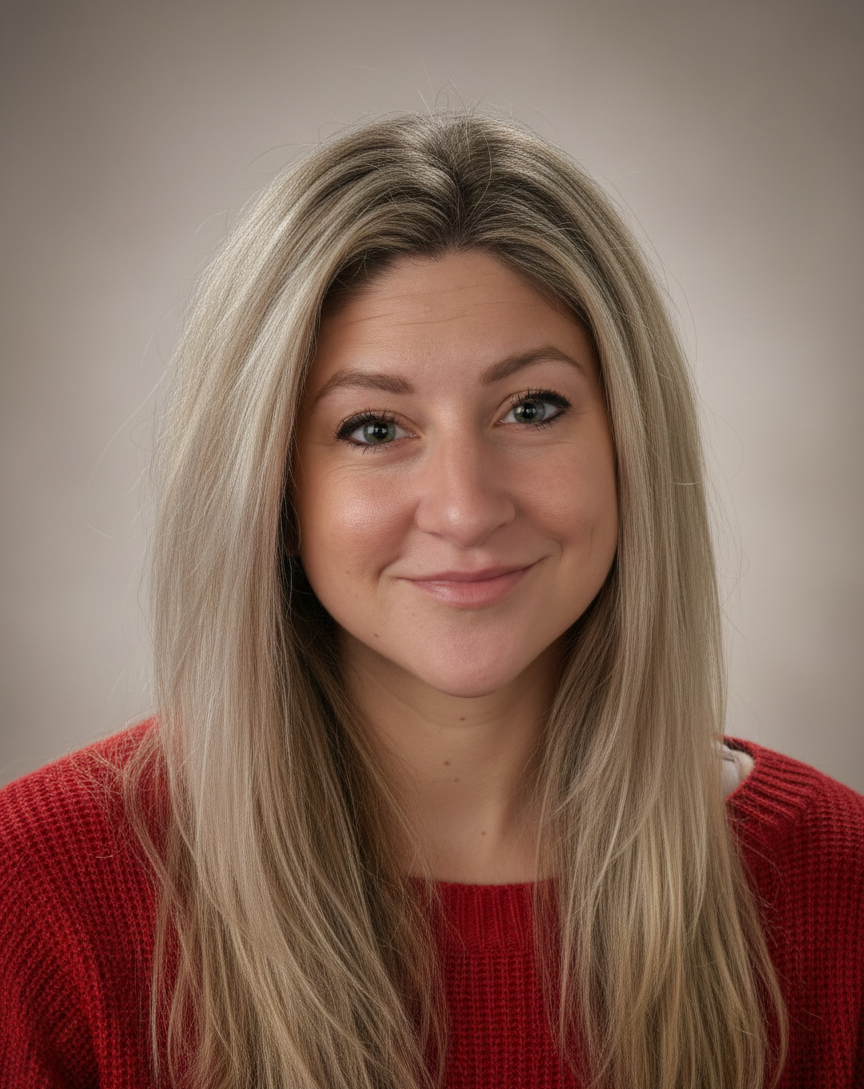
Amy McKiernan is the Author of More Than A Survivor- Eight keys to overcoming sexual assault and finding a path to living a fulfilled life. Her book provides transformative guidance, offering eight keys emboldening readers to reclaim their power and create a life of authentic peace. She extends her advocacy as a speaker for Campus Outreach Services- a program for schools, universities and organizations that offers impactful presentations to promote safety, respect, and wellbeing in communities.
Amy is a wife and mother of two. She has built her career in Education as the Director of Employee Relations where she focuses on nurturing positive environments for children and adults. Her leadership is a testament to her ability to support collaborative problem-solving, and communication—highlighting her work in helping others redefine their narratives.