 Spotify
  Apple Podcasts
  Amazon Music
  iHeartRadio
  Podchaser
  YouTube
 Kristopher Grey on Simplifying Business Complexity | 1,495
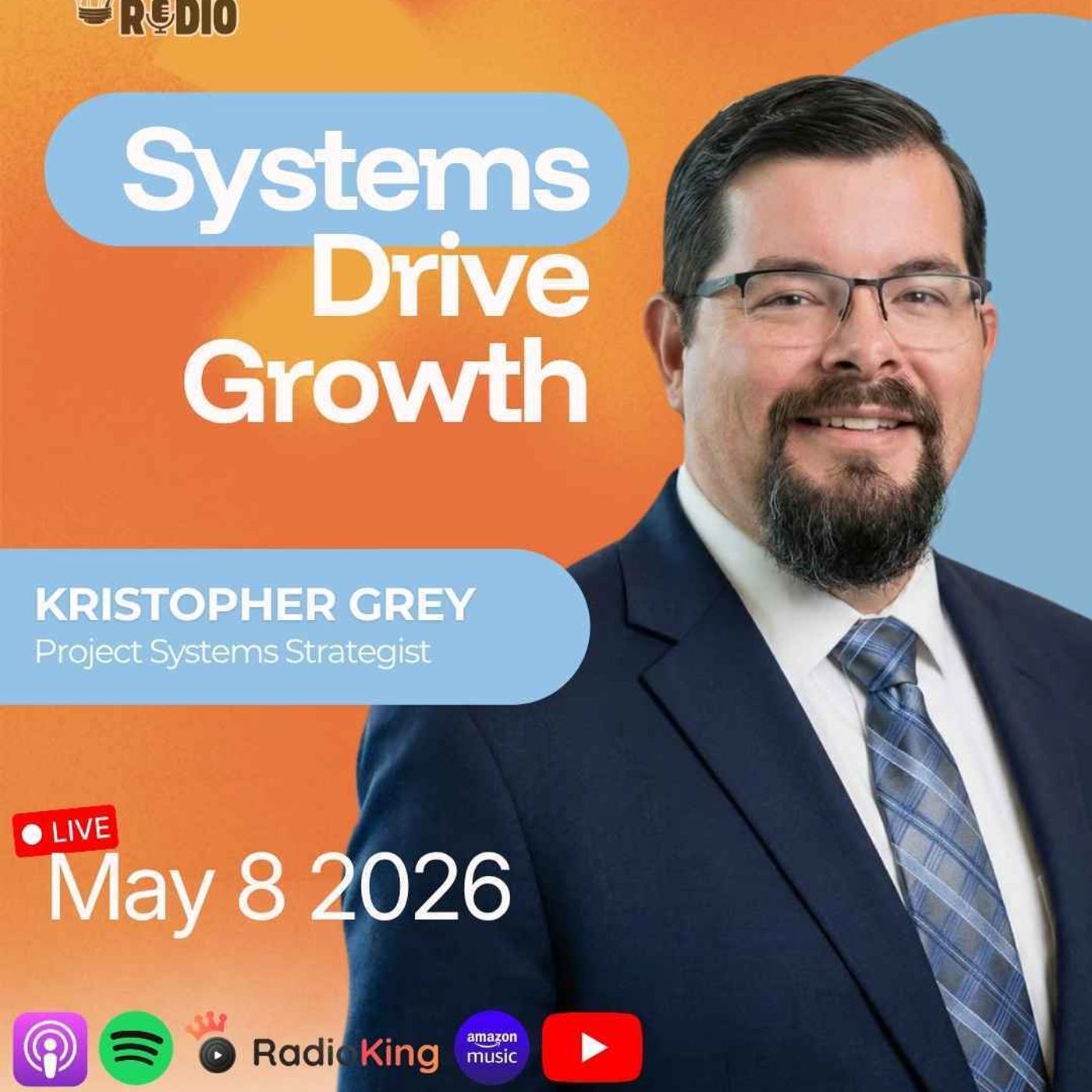
Kristopher Grey is a project management expert and the founder of Creatapult, where he helps companies bring structure, clarity, and consistency to how work gets done.
With more than 20 years of experience, Kris focuses on solving a common problem inside growing businesses. Too much reliance on individual effort and not enough systemized execution. His approach simplifies complexity into a clear framework of who is responsible, what needs to be done, and when it needs to happen.
By building repeatable systems, he helps organizations protect their margins, reduce risk, and operate with greater predictability. The result is a business that no longer depends on last minute heroics, but runs on structure that can scale.
Kris works with teams that are ready to move from reactive to intentional, creating a foundation that supports sustainable growth and long term performance.
━━━━━━━━━━━━━━━━━━━━━━━
🎧 Love our show? Show some love!
👉 Check out today’s guest: www.creatapult.com
🎬 Need stunning videos, clean audio, or scroll-stopping designs? Check out our media services at https://www.kmmedia.pro/ — Top-tier quality without the agency price tag. Perfect for creators, coaches, and brands ready to level up.
👍 Like this video
💬 Drop a comment & share your favorite part
🔔 Subscribe for more inspiring conversations Monday to Friday!
#PositiveTalkRadio #Inspiration #Podcast
━━━━━━━━━━━━━━━━━━━━━━━


Kristopher Grey is a project management expert and the founder of Creatapult, where he helps companies bring structure, clarity, and consistency to how work gets done.
With more than 20 years of experience, Kris focuses on solving a common problem inside growing businesses. Too much reliance on individual effort and not enough systemized execution. His approach simplifies complexity into a clear framework of who is responsible, what needs to be done, and when it needs to happen.
By building repeatable systems, he helps organizations protect their margins, reduce risk, and operate with greater predictability. The result is a business that no longer depends on last minute heroics, but runs on structure that can scale.
Kris works with teams that are ready to move from reactive to intentional, creating a foundation that supports sustainable growth and long term performance.
Hosted by Simplecast, an AdsWizz company. See pcm.adswizz.com for information about our collection and use of personal data for advertising.
Grainger (0:00): When you manage procurement for multiple facilities, every order matters. But when it's for a hospital system, they matter even more. Grainger gets it and knows there's no time for managing multiple suppliers and no room for shipping delays. That's why Grainger offers millions products and fast, dependable delivery so you can keep your facility stocked, safe, and running smoothly. Call 1800, click grainger.com, or just stop by.
Grainger (0:25): Grainger, for the ones who get it done.
Unknown Speaker (0:32): And welcome to the show, everybody. And Brichelle is here. Brichelle, how are you?
Brichelle (0:36): Hey. You know, it's a fantastic day. Right? That's just every day here on Positive Talk Radio. But today is gonna be extra fun because we're gonna be doing much more shows back to back.
Brichelle (0:49): And, Kevin, I have to ask you, have you ever had someone ask you that or tell you that you deserve a career that you love?
Kevin (0:57): You know, nobody has actually said that. I had to come up with that for myself.
Brichelle (1:02): That's amazing. Well, our guest today can help you do exactly that. Don't you know?
Kevin (1:07): I do. And it's it's Create A Pult, and Christopher Gray is our guest, and we're gonna get started right now. Stay with us, everybody. There's a moment in every life when you decide to rise.
Unknown Speaker (1:21): To stand taller than your fear.
Unknown Speaker (1:24): To speak louder than your doubt.
Unknown Speaker (1:26): To chase the vision that sets your soul on fire.
Unknown Speaker (1:30): This is that moment. And here, we walk it together with stories that awaken, voices that
Unknown Speaker (1:36): inspire And truth that set you free.
Unknown Speaker (1:40): This is Positive Talk Radio with Kevin
Unknown Speaker (1:43): And with Brachelle.
Kevin (1:44): Where hope has a voice And that voice is yours. And welcome to the show, everybody. We've got a great guest for you today. We're gonna be talking about something that is a little out of our our bailiwick, but it is an important aspect. And and Christopher Gray is with us.
Kevin (2:05): He's an entrepreneur who's built a company that helps other companies figure out why they're over budget, underperforming, and not making it work. And then he goes in and helps you do that and put it all together with your work. We've also got a couple of interesting things that we are gonna offer you during the course of the show. So I hope everybody stays with us. Christopher Gray, how are you?
Unknown Speaker (2:27): I'm doing quite well. How are you today?
Kevin (2:30): Very good. Did I misrepresent that at all?
Unknown Speaker (2:33): No. I think that that's pretty much in a nutshell what we do here with Create A Pult. We're just trying to help companies deliver better projects, protect their margins, and reduce their risk.
Kevin (2:44): And that's a that's a big deal, especially when they you have a large project that is you've got a contract with the government as an example. And the government expects certain realities to happen, and sometimes you get bogged down and and and you lose your way a little bit. And you need some help sometimes, and Creatapult can do that. Where did you come up with the name Creatapult?
Unknown Speaker (3:11): So it's kind of a mashup, from when I originally started the company. I thought it was gonna be more of a marketing focused company. And so I thought, you know, okay. Marketing, creativity, create. But I wanted to be able to catapult people's growth in their companies.
Christopher Gray (3:29): And so I kind of mashed the two together and created this idea of create a pull to kind of creatively catapult companies into whatever stage of growth or or market share that they were looking to obtain.
Kevin (3:41): That's a great name. Creative, catapult and and stuff. That's that's pretty cool, isn't it, Rochelle?
Brichelle (3:49): Yeah. I was thinking even, like, create a pulse because you're creating a different wavelength, a different energy. You're like, okay. I'm gonna get in the vibe of this. Christopher, when did this all become important to you?
Brichelle (4:02): Did it hit you just like a wave of bricks and you were just like, oh my gosh. I this is something I need to do. Or was this something that kind of built itself up and then you just decided to go after it?
Christopher Gray (4:13): So it it hit it hit me like the bricks, but not in the typical sense. Because what actually happened was I was training I thought I was gonna be an accountant. I was going down this path of of trying to get my CPA license. I was working in an accounting firm, and then our first daughter came along. And three days after she was born, I was let go from my job.
Christopher Gray (4:37): And my wife had just resigned her job because we had fully intended on being a one income family where she was gonna stay at home and work with the kids and everything like that. And so we went from two incomes to no income in the span of about three to seven days. And so it would then take about nine months of kind of picking up odd jobs here and there, doing kind of whatever I could under the table, mowing lawns, preparing taxes for people, working at a coffee shop here locally before I could finally get that kind of permanent job again. And the day that the money ran out was the day that the first paycheck got deposited from that, I guess, what we'll call permanent job. And I realized during that span of time how risky it was to depend on just a w two job anymore.
Christopher Gray (5:26): Because at any given time, that rug can be pulled out from underneath you as so many people are unfortunately experiencing in the tech sector right now. You know, it's you're here one day and you're gone the next. It doesn't matter. Seniority and all of that, which used to kind of carry the day for a lot of companies doesn't even matter hardly anymore. And so I I felt that I needed to be doing something.
Christopher Gray (5:46): So I kinda got into this serial entrepreneurship, running some different things, running a hobby shop, running, some different forms of create a pull before it became what it is today, and finally settled on, you know what? I need to leverage the experience I have because I I had gotten tired of watching companies struggle, and sort of like a fish that's drowning in water, going under because they had won too much work and couldn't handle the load. And so it's like, I don't want anybody's success to be what ultimately undoes them. And so that's kinda where I'm at now today with things.
Unknown Speaker (6:22): That's cool.
Kevin (6:23): You know, Christopher, at one time, I worked for a food service company, and the district sales manager was really proud of the fact that he fired one of the reps on Christmas Eve. When you were sitting in your office and you had a baby three days before and they they invited you in and said, Christopher, we are downsizing over. Did you happen to mention that I just had a baby three days ago, and you're letting me go today?
Christopher Gray (6:51): I did. In fact, when I got hired for the position, I even told them not to hire me if it was gonna be an issue that we were having our first child in in the middle of tax season as an accounting firm, which is always kind of like a no no that anything happens in tax season. But it's like this was a certain event that we could not, do anything about at that point.
Unknown Speaker (7:11): Of course.
Christopher Gray (7:12): And I I was very clear and upfront with them and and, you know, got all of the, oh, no. It'll be fine. Everything's good. You know, everything's gonna be a okay. We'll work around, you know, what you what you need in your schedule.
Christopher Gray (7:24): And until then, all of a sudden, it wasn't. And that's kind of the the moral of what happened there was, like, everything was fine until it wasn't, and then I needed a backup plan. And so making sure that I always had a backup plan became very, very important.
Kevin (7:40): Well, it's just Rochelle, it's so frightening to me that that there are companies out there that have the soul that is smaller than a walnut.
Brichelle (7:49): Yeah. I mean, they do. And don't get me started on that. I've lost some jobs out of pure rage, I will admit. But, you know, Christopher, have you ever had that moment where you kinda looked back out of all of that fury maybe that kept you motivated to work towards something more that you were almost thankful for that happening because you might not have ever realized that in the same way, shape, or form.
Brichelle (8:16): And, I I I give so much grace to that situation because I do truly believe that there is no worse time maybe than that could have happened. And to be thankful for it might be a long shot, but also, I mean, look what it's provided for you and your family and also probably for so many more.
Christopher Gray (8:36): Yeah. At the time, it was definitely hard to see the silver lining. Right? Because you're just in crisis mode trying to figure out what's what's the next right move to make. But now I can look back and say, like, okay.
Christopher Gray (8:48): If that hadn't happened, then I wouldn't likely be where I'm at today. And that's led me down a pathway of doing some very cool things, even to the extent of designing and building new zoo exhibits, which I probably wouldn't have gotten back into the career path that I ended up on with project management and construction had it not been for the fact that my accounting career came to an abrupt and unglorious end.
Kevin (9:14): Understand. And I have to tell you, Brichelle's family actually have an alligator farm.
Unknown Speaker (9:21): And so And
Brichelle (9:22): we do. There's more than just gators, but it's phenomenal.
Unknown Speaker (9:27): All kinds of reptiles and stuff. So she loves animals. What kind of zoo did you create? Yeah.
Christopher Gray (9:33): So I worked for the Fresno Chaffee Zoo, and we're and in fact, I'm still working with them. We're doing a lot of exhibits based around, right now, our local local species. They're working on a new California exhibit that will be highlighting the state's natural beauty and their natural resources. And I'm I'm proud to say I'm kind of at the helm of that project right now.
Unknown Speaker (9:58): That's awesome. Congratulations.
Kevin (10:00): Congratulate you don't strike me as being the accountant type anyway.
Christopher Gray (10:05): I yeah. And looking back on that now, probably not the smartest move. I was like, I'm not like, I'm a numbers guy, but in more, like, in a statistical sense, not the, like, bean counting number crunching of your typical accountant. And so it was probably a good thing I got out of that track when I did.
Brichelle (10:28): Yeah. Maybe it helped you a little bit of learning and then move on.
Christopher Gray (10:32): Yeah. Yeah. It did give me you know, I picked up a lot very quickly. But honestly, what I found myself doing more of that I enjoyed was working with the businesses. And it was getting into their books and understanding like, okay, what are you doing?
Christopher Gray (10:44): What are the decisions you're making that are working out? What's not working out? And a lot of people were using accountants in this area as sort of business managers, if you will. And so that was the side of it that I really got into, and that's really where CreatiPult shines now today as being more on that business management side of the equation.
Kevin (11:06): Well, that's an important aspect because and I I've known a lot of accountants, and they are numbers people. They don't like to necessarily talk to people. They just assume, work with numbers. And, and that which is fine. And there are people that are like that, but that doesn't strike me as who you are.
Christopher Gray (11:25): No. Definitely need to be involved with others and working through you know, I love getting myself into, problems and trying to figure out how we solve them, how we creatively solve them, maybe by breaking the status quo a little bit and trying to figure out, okay, just because this is what worked and got us to where we're at today does not mean it's what's going to get us to where we want to go a year from now or five years from now.
Kevin (11:49): Would you consider yourself more of a visionary?
Christopher Gray (11:53): Yes. I I'd say that that probably is a more apt description than accountant.
Unknown Speaker (12:01): Yes. For sure.
Unknown Speaker (12:04): Rochelle, go ahead.
Brichelle (12:06): Yeah. Christopher, I'm I'm wondering what your experience was like when you kinda you first hit the ground running and you knew what you were doing where you just, like, flooded with all of this stuff going on, or was it more that you got to spend time individually and focus on each company kinda as you went on to learn more and figure things out that helped other people back and forth?
Christopher Gray (12:29): I I will say it started out as a slow burn. So it gave me a lot of time with individual companies to dig into what their problems specifically were, understand the nuts and bolts of what made them tick, and and kind of have almost like a two way mentorship between, like, what I was doing to try to help those companies and then learning from what they were doing right so that I could try to apply lessons learned to other companies as they came along.
Unknown Speaker (12:55): Awesome. What kind of companies do you help?
Christopher Gray (12:59): So for the most part, my my background's been in construction. So I've done a lot of work with construction companies, typically doing somewhere in the vicinity of 30 to $80,000,000 a year in work but are looking to go to that next level. And, usually, that's where I start to see some pretty heavy strain on the companies is when they're they're approaching that $100,000,000 threshold, and they're not quite ready to take the next leap and become, like, a large company, or they're not sure if they they're gonna continue to win this level of work. So do they need the full time hire? Do they not need the full time hire?
Christopher Gray (13:34): And so that I'm helping them kinda answer a lot of those questions. And just in staffing alone, removing risk by basically saying, look. I'll come in. I'll help you as a of very similar to how a full time director of construction or director of project management oversight would, but I'm contract. Right?
Christopher Gray (13:51): So if you end up deciding, you know what? We've learned what we need to from you. We're ready for a full time hire. Great. Then I did my job.
Christopher Gray (13:57): I got you to where you needed to go. If you decide, you know what? We're not ready to scale. We'd like to keep you on as, like, a more of, like, a retainer status. That's great too.
Christopher Gray (14:06): I'm there to try to help support the companies however they need. But that that's kinda where I have found my my niche, so to speak, is in that construction industry. I will say, though, a lot of what I do is widely applicable to things like IT projects, even just personal life projects. There's there's a lot that can be learned and used across the different industries.
Unknown Speaker (14:27): Awesome.
Kevin (14:28): And, Rochelle, if you'd go over Christopher Gray's information real quick, please.
Brichelle (14:35): Yes. Createapult.com is where you can go, and find all the stuff. He has something that says your first ninety days, which we're gonna talk about, executive briefings, and, of course, ways to contact him as well as all of the other information that you're gonna need to work with him. Kevin, I think it is so cool how we get to talk to people who work from the actual structures and events and how it's set up from the ground up, and then also all the way into the culture. I bet, Christopher, that you do focus on the culture of yourself within the those companies as well.
Brichelle (15:09): Right?
Christopher Gray (15:10): Yes. That without a good, strong, positive culture, a lot of what I do just doesn't doesn't hold up. It doesn't hold water at that point. So it it really takes a cultural shift in a lot of ways, but in a good way to try to boost these companies and get them to where they wanna go. If you've got a company with a bad culture where there's a lot of negativity brewing, I almost say that that's not even a good fit for my my starting point because that that's a lot of work to get somebody to change that, especially if they don't want to or don't realize that that's a problem.
Unknown Speaker (15:42): Yeah. Very true.
Kevin (15:44): Rochelle, do you realize how talented you are and how you you tell me from time to time, get out of my head because you say that I'm in your head. Well, you're in my head because I have my finger on the pulse of a thing that we call leadership. And that's one of the things that culture leads to leadership. And without great leadership, you can't have a great culture. And, the culture is, in my opinion, virtually everything.
Kevin (16:12): And I wanna play this, and I'd love your opinion when we come back from it. Here are some points to ponder from Positive Talk Radio. You know, some say leadership is about getting the work done, about pushing forward no matter the cost. But what's the cost of a team with no purpose? What if a single act of support, a single moment of genuine grit could change everything?
Kevin (16:37): What if leadership was a catalyst because true leadership isn't about being in control, it's about empowering others to find their purpose. It's about leading with passion and igniting the fire in everyone around you, creating a culture of teamwork and common purpose. A true leader finds this culture by enthusiastic purpose and team development, making each team member feel empowered to create, improve, and execute their tasks with genuine passion and a strong belief in the company's mission and focus. In other words, lead with purpose. And here we are, and Rochelle is here.
Kevin (17:23): And Christopher Gray is here, and and he is a entrepreneur, and he's got his own company, which, again, Rochelle is?
Brichelle (17:31): Yes. Catapult or sorry. Createapult.com is where you can go. That's creatapult.com. And, Chris, what did you think of that?
Christopher Gray (17:45): What did I think of the leadership points? That is what I try to do for companies. We are trying to instill that sense of purpose, that sense of belonging, and that sense of everybody pulling in the same direction. I use that rowing metaphor a lot as I was a rower in college. And so it was vitally important that we were all pulling together and all pulling in sync.
Christopher Gray (18:10): And so I've taken a lot of those lessons as well and tried to apply them to the business world. And that's really what it's about. If you've got no purpose or you've got a team culture that is negative or tearing itself apart, you're not gonna have a business for much longer.
Unknown Speaker (18:27): I agree.
Kevin (18:29): It's a terrible thing when the culture of a company goes south because they don't know how to fix it because that it's it went south. And they don't know, know, and they're not clear about the vision, about what they're looking for, and the people that are working with them. How do you help them understand, number one, understand that maybe there are cultural issues within the company which is causing financial problems.
Grainger (18:55): When you manage procurement for multiple facilities, every order matters. But when it's for a hospital system, they matter even more. Grainger gets it and knows there's no time for managing multiple suppliers and no room for shipping delays. That's why Grainger offers millions of products and fast, dependable delivery so you can keep your facility stocked, safe, and running smoothly. Call 1800, click grainger.com, or just stop by.
Grainger (19:21): Grainger, for the ones who get it done.
Speaker 4 (19:26): I drive my bus in a busy city. That's why road safety is so important to me. I know that I must slow down and be extra careful when I make a wide turn. Buses need more room than cars. Everyone can help keep our roads safe.
Speaker 4 (19:41): Next time you're driving, remember to give buses plenty of time and space to finish turning before driving ahead. Let's all plan to share the road safely. Learn how at www.sharetheroadsafely.gov.
Christopher Gray (19:56): It's looking at a lot of it being generational differences. You know, the the work culture has shifted, especially as we've gotten to more and more of the baby boomers are leaving the workforce and more and more of, like, Gen X, millennials, and now especially as Gen Alpha starts to enter into the workforce. We're looking at these shifts that are happening to where it means a lot more to get that kind word at work. It means a lot more to get kind of the pat on the back. Like, they're not necessarily chasing just the dollars or just the financial security.
Christopher Gray (20:31): There was a generation that kind of grew up on the idea that my boss is never gonna say anything nice to me, but sometimes no news is good news. And and that's kinda what we had grown up on is this idea of that's what it's gonna mean to get into the workforce that's changing. And so that's kinda what I'm trying to help these companies understand is, you know, especially in construction, you end up with a lot of companies that are stuck in kind of an old mindset of how to do business, and they're not necessarily paying attention to these generational shifts that are coming. And it I kinda chuckle to myself sometimes because a lot of it gets chalked up to you like, oh, these entitled millennials. Right?
Unknown Speaker (21:10): Like, they just Yeah. Want They're so sensitive. They can't do anything. You have to hold their hand for everything. And it's like, well, no.
Christopher Gray (21:18): They're just asking for that validation that what they're doing is not only correct but is meaningful, has impact, has purpose to it. And if you're not reinforcing that, you're going to see a lot of burnout. And when the burnout kicks in, that's usually when things start to spiral out of control and a company feels like, Well, I don't know what to do about this, so let me throw a pizza party or something and see if we can fix the problem. And it's like that oftentimes is it almost puts gas on the fire because the the workforce sees it as very patronizing when they know that they feel that leadership should understand, like, well, you should know why we're struggling, why we're not having a good time here, why we're burning out so badly. And so for you to say, like, oh, a pizza party will fix it feels very like, you know, let me just kind of brush you off.
Christopher Gray (22:07): And that that's where I'm coming into a company and saying, okay. Look. Let's take a take a moment to pause. The first thing I do in fact, Rochelle, you brought up the first ninety days. The first thing we do is stop all intake on projects and take a moment to just look at what the culture is, what is going on in the moment so that we can decide what we're gonna do about it and what needs to be fixed first.
Christopher Gray (22:29): Because if there is a a burning cultural issue, it does not make any sense to keep piling more onto those teams that are suffering from that burnout.
Unknown Speaker (22:38): For sure.
Kevin (22:39): I wanna talk to you a little bit about and I'm not sure how it is in the Fresno market, but I know in in my market, is in Seattle, where they're having a tough time finding quality people, younger people, and the older folks that have been doing this for a long time, they're leaving the workforce. And so there aren't as many people going to trade schools to learn some of these skills as there used to be. Do you find in the Fresno market that they're having the same problem with finding young millennials and the Gen Xers and all the other things and peoples that they're having trouble finding good quality people?
Christopher Gray (23:24): Yeah. I I think we're finally starting to see a shift back to that to to the programs that'll help generate those future qualified candidates. But for a long time, I mean, it was the generation I grew up in. It was always about you're gonna go to college, you're gonna go get a, you know, a good white collar job, and you're gonna go work in an office someday. My dad always joked with me on the construction site, like, get a job in air conditioning.
Christopher Gray (23:48): That was, like what he used to tell me all the time was, like, that's what you want is a job that has air conditioning. And so it was kind of programmed away from the idea of, well, shoot. An electrician can be making close to a $100 an hour, especially if they start to get up into the ranks of the unions and are working overtime shifts or something like that or an oddball shift, like, over the a weekend or an evening. There's some really top quality jobs in these trades, and they were just not talked about for a long time.
Kevin (24:18): Yep. Yep. Is so that is so true. And now rather than being in air conditioning, you get to work on air conditioning and that and that you make more money than than the, guys that are enjoying the air conditioning in some cases.
Christopher Gray (24:35): Right. The the you know, who who is it that you call when your air conditioner breaks or your car breaks down or, you know, you've gotta you gotta add a room to your house or something like that. You know, these trades are vitally important to how our economy works. And I think people are finally starting to realize, okay. There is a viable path here.
Christopher Gray (24:54): Sure. You can go to college still and go you know, it'll help you probably with the signals to move up in the ranks to different managerial levels. But if you're somebody who doesn't mind working with their hands and and being out and tinkering and that kind of stuff, like, college anymore is not necessarily the be all end all. Like, you can get into some of these trade programs and have a very successful career doing things that, you know, are becoming somewhat of a lost art.
Brichelle (25:18): Yeah. And the knowledge is needed, especially, as you were saying that me and Kevin talked about this a few weeks ago that it's like we kind of don't have, like, the plumbers and the electricians and the people that we really need to know these things. But to be from the perspective of you can kinda create your own company doing that as well if you move forward with it in the future and having each other in that way. Christopher, what is your favorite part of the process?
Christopher Gray (25:44): Favorite part of the process is when we've completed the initial sort of process audit, and and the company starts to realize we've got problems. And when they've kind of resigned themselves and accepted the fact that they they have some issues, I really love coming in and saying, okay, but here's what we're gonna do about it. So, you know, unlike getting a diagnosis sometimes from the medical profession where, you know, there may not be an answer yet, I feel like generally in business, there's an answer to the problem. And we're going to find it, we're going to solve it, and we're going to make sure that you're better than you were before. And so being able to see those companies accept where they're at and be able to move beyond it and to something to a better future state is really what brings me a lot of joy from the process.
Unknown Speaker (26:31): You bet.
Kevin (26:32): Boy, I tell you, you are also a salesman like no other because you'll walk into the CEO's office or the guy in charge and you begin to tell him what's wrong with his vision or his company. And there's a little bit of ego that has to be there, as well because they've been successful. How do you get around that?
Christopher Gray (26:56): I think it's building on the fact that that ego oftentimes and that sheer force of will is what's gotten them to where they're at today. And it's not so much saying, okay. That's not what's gonna get you to where you wanna go tomorrow. It's that we need to channel it in a different way. Oftentimes, that CEO is starting to feel it themselves that something's wrong.
Christopher Gray (27:17): They nobody googles director of project management oversight. Like, that's not a thing that people are out there searching for. But what they are searching for is things like, you know, why why are all the problems coming back to my desk? Why is it that stuff doesn't stay fixed? Why am I putting out fires most of my day?
Christopher Gray (27:39): Or even if they're not searching for it, they're internalizing that feeling. And so they know that something's going wrong. But what I need to do is get them out of that mindset of that they have to be in the day to day weeds of everything and get them to a status where they trust their project teams to actually run the projects and give them the status updates and the decision points that actually need a CEO's input. Because probably 90% of what's hitting the CEO's desk at that time is just irrelevant garbage that, you know, somebody should be able to handle elsewhere in the company. And the CEO is like, why am I having to make these decisions?
Christopher Gray (28:15): I just want the thing to work. I just want it to be built. Just get it done. And then only bother me with the stuff that's really, like, you know, high dollar or is gonna move the needle in terms of profitability or scheduled delivery. That's what we need to get them to as a place where the CEO is not the one overseeing the day to day of the project managers.
Kevin (28:35): Isn't that kind of the CEO's fault?
Christopher Gray (28:39): It is. It's it's kind of what happens. Right? They start out. Maybe they're a solo they're a solopreneur, maybe doing the work themselves, driving the tractor, putting out the electrical conduits or whatever you wanna pick for a trade, and then they they start to win some jobs.
Christopher Gray (28:54): Their quality is still there. They hire somebody. They start to train somebody. But eventually, along the way, they've hired too many people, and now the CEO is is a CEO. They're having to be more of a personnel manager than the person driving the tractor and doing the work.
Christopher Gray (29:08): And a lot of folks that I work with, they don't realize that that transition is taking place or that it needs to take place. And so if they want to continue to grow, which oftentimes there's at least enough they've wanted to grow enough that they've hired these these team members. Right? There's an intent there to continue to grow. They need to step more into the CEO role and realize that, okay, life is going to look different.
Christopher Gray (29:33): Now if they're not comfortable with that, that's kinda where the fractional part of my job comes in. It's like, okay. You wanna still be the guy that's out there doing a lot of the work out in the field, but you want a team to help support these other projects, you need a middleman. You need somebody who's there to kind of feel the information from the team so that you can still stay focused on the parts of the business that you wanna stay focused on. And I try not to turn it into too much of a blame game because it's like, sometimes it just happens.
Christopher Gray (30:01): Like, you know, you're so busy chopping down trees that you don't take time to sharpen the axe or realize how far you've actually gone until you look back and you're like, well, gosh. Where'd the last twenty years go, and how'd my company get to where it's at today?
Brichelle (30:13): Yeah. And don't you think a big part of that also has to do with the training? If people down the line aren't getting it's like that telephone game we used to play as kids, you'd say something, and then by the time it got to the tenth person, it's not the same thing you said. So isn't training viable to make sure that it is being done efficiently throughout everybody being hired?
Christopher Gray (30:35): Yes. So that's usually that's another thing that I start to help companies with is their hiring process to make sure that everybody's coming in and being onboarded in a a uniform manner. Because what you'll you'll find oftentimes is that first project manager or superintendent or whatever the job description is that's running the projects, they came in. They were getting trained directly by the CEO. And so you'll find that they're, you know, they're top notch.
Christopher Gray (30:59): They know exactly what they need to do. But then the next hire that comes in may have gotten a few minutes from the CEO, but is largely being trained by that first project manager and so on and so on and down the chain until you finally get to somebody who was so busy that nobody had any time to train the new person. That last hire out of maybe even just as few as three or four suddenly looks like they don't know the first thing about what they're doing. And so everything starts to fall back on that very first project manager, who is the more experienced one in this case, had the direct knowledge from the CEO of the inner workings of the business, and everyone else is basically looking to them as the hero, like, save us. Save us.
Christopher Gray (31:40): Help us through all of this. And they're feeling overburdened. They're getting burnt out faster, and everyone else isn't really learning from them because the other that that chief person is chief firefighter. They're so busy putting out fires left and right that they're not taking the time to help sharpen everyone else's skills. So, again, that's where I can come in as kind of an outsider and say, look.
Christopher Gray (32:02): All I have is time to try to help you with these things. Like, I'm not gonna get into the weeds necessarily and run the day to day of the projects. That's a job for your project management staff or the staff that we're going to hire. I'm there to make sure that everybody's getting what they need to be successful in their job because at the end of the day, I may be unplugged from the company. Right?
Christopher Gray (32:20): They may hire somebody permanent. They may just decide, you know what? We've grown to a sufficient level. We've got quality systems. Like, we're good.
Christopher Gray (32:27): We don't necessarily need you there anymore. So I wanna make sure those PMs are still operating in an efficient manner even if I'm not there.
Unknown Speaker (32:35): Very good.
Kevin (32:37): It's really interesting because you'd have an entrepreneur who's done really well, and suddenly, he gets a big contract. And now he has to trans transform from being the worker guy with direct hands on to being a management CEO of a larger company. That's a completely different skill set. How do you teach that?
Christopher Gray (33:00): A lot of it is trying to get people mentorship, trying to make sure that we're building a a big enough network behind Creatiapult that I always have somebody that I can say, you know what? Let me plug you in with this person who's been there, who's been there longer, who maybe understands what what you're going through. Hopefully, same industry. But if not, at least something that's, like, talking at least fruit to fruit rather than, like, apples to cabbage, and saying, like, okay. You know, they at least understand a little bit of what you're going through and trying to plug them in that way.
Christopher Gray (33:32): But a lot of it is just trying to make sure that they that we're trying to build the safety nets that they have time to learn, that they they can start to learn what it is to be a CEO before everything's on fire and falling apart around them. Now if everything's on fire and I'm coming in to try to help put things out, it's like, we gotta work quickly. And some of it may be like, alright. We're gonna learn by doing because you're gonna follow my lead, and we're just gonna move quickly with this. But if we've got time because somebody's looking at it and saying, look.
Christopher Gray (34:01): I want to scale. I'm not there yet. I but nothing's on fire, then we have time to go through it as a little bit more of a traditional mentorship role.
Unknown Speaker (34:10): Awesome.
Kevin (34:12): And so, Brachelle, if we wanna get in touch with Christopher Gray and hire his company, how do we do it?
Brichelle (34:18): Yes. Createapult.com is where you can go. He's got an email, a phone number, any way to contact him, also explaining the first ninety days again as we've done. And, Christopher, is there any other ways best for people to contact you, find work, or any other things you have to offer?
Christopher Gray (34:36): So I like to direct people. I mean, first off, I'm big on picking up the phone and you can always call or text me at (805) 590-9976. Again, that's (805) 590-9976. Or you can contact me at by booking your free thirty minute execution audit, which is at creatapult.com/audit. Awesome.
Kevin (35:02): Very cool. You know, it strikes me, Christopher, one of the things that you get to do when you walk into a company is you have to convince them that you have a high integrity level and you're looking out after their best interest and I want to play this about integrity so that everybody gets a clear understanding of what I'm talking about there. Here's another point to ponder from Positive Talk Radio. What is the easiest thing to justify? It is a small transgression, The one no one will ever see, no one will ever know.
Kevin (35:36): The tiny exaggeration on the expense report, the extra minute you took on your lunch break, the packaging you tossed in the wrong recycle bin because it was closer. In those moments, the question isn't, will I get caught? The question is, will I know? It isn't about avoiding punishment. It's a silent agreement you make with yourself when you choose to do the right thing, to return the wallet, to fix the mistake, to respect the empty space you aren't impressing the world.
Kevin (36:11): You're earning your own respect. That small choice made entirely in private is how you build a life you never have to look away from. The only audience that matters is you.
Speaker 4 (36:25): I drive my bus in a busy city. That's why road safety is so important to me. I know that I must slow down and be extra careful when I make a wide turn. Buses need more room than cars. Everyone can help keep our roads safe.
Speaker 4 (36:40): Next time you're driving, remember to give buses plenty of time and space to finish turning before driving ahead. Let's all plan to share the road safely. Learn how at www.sharetheroadsafely.gov.
Kevin (36:58): And I gotta tell you, you're listening to Positive Talk Radio, and Brichelle is here. And our guest is Christopher Gray, and Brichelle's website again is
Brichelle (37:07): iscreateapoult.com where you can go to find all the stuff we're talking about. And, Christopher, I've gotta ask you because it's blowing out of my head. And I wanna ask you this double sided question because I wanna bring the positive into it as well. But I'm curious, do you tend to find maybe one or a few things that every company struggles with? And do you also see a few of those things that they are always able to overcome through your process?
Christopher Gray (37:37): Yeah. So the thing that seems to be the most common pitfall for companies is that they're not following this basic framework of who does what by when. What that usually means is that project managers are getting into the weeds. They're working on the day to day, and eventually, they just kind of lose steam or they lose sight of where they're going on the project. And so they get stuck.
Christopher Gray (37:59): They're not sure who to ask next. They don't know what the next steps are. And then the CEO comes calling, and that's where things like integrity start to come into play because is the PM gonna lie? Are they gonna say that the project's all good when it's not? Are they gonna say, oh, we've got it all covered, boss.
Christopher Gray (38:16): We're good. We don't need you for anything right now, or are they gonna be honest about like, hey. I'm stuck, and I'm not sure where to go. And so but if they have that who does what by when framework in mind and all of their communication and all of their project management work, then a lot fewer instances are they gonna find themselves having to cover for, you know, perceived ignorance of what they're doing. But the good news is is that they're always able to overcome the challenges that come with winning too much work.
Christopher Gray (38:50): There there's usually always a way through that that doesn't end in bankruptcy, thankfully. There's always a way to get either the more staff on board, thanks to the growth of fractional project management, or fractional directors like myself. There's plenty of work that is going around that, you know, you have the leeway to say, look. Can we start this project thirty days later than what we originally, you know, said in the RFP? Can we negotiate out a different start date, a different end date to be able to give you time to assign your crews and your staff where they need to be?
Christopher Gray (39:25): Obviously, we'd love to get to a world where we don't have to ask for those things because we've done the proper planning to make sure that we're good even if we win all of the work that we bid on. But it's one of those things where there's usually if you're just open and honest about the situation, project owners are gonna are gonna work with you at least to a certain degree.
Unknown Speaker (39:43): Good.
Kevin (39:44): Describe what you mean by fractional leader or fractional, how do you put it? Fractional director of project management oversight. What does that actually mean?
Christopher Gray (39:57): So I come in as a what is more broadly defined as a fractional executive. So a lot of people are familiar with fractional CFOs. And what that means is it's just a contractor that comes in to do a particular job with that company. So with a CFO, it's gonna be they're gonna come in part time to work on your books, make sure that the financial picture is still good, and that they're moving the needle in terms of your profitability. As a fractional director of project management oversight, I'm coming in to help basically lead the project management team.
Christopher Gray (40:29): So these are the people that are on the site running the projects. These are the project managers in the back office that are trying to assign resources to different events and tasks. And then I'm trying to make sure that the schedules are being met, the budgets are being met, and that we're working towards a a world in which the project management team always has what they need, but the executive leadership above me always has what they need, which is usually quick access to information to either talk through it with shareholders or state project stakeholders or in potential investors or other companies that they're working with on different tasks. And that's usually where the breakdown is happening is that information is not readily available moving up the chain. So that's where a director of project management oversight would usually find their role is making sure that information is translating from the lower levels to the upper levels.
Brichelle (41:20): And, Kevin, you totally got in my head because that question was something I had in mind. I like it. Have you ever met somebody who's come up to you and they're like, Christopher, I wanna do what you do, or have you ever guided somebody or tried to get them down the road to say, yeah. Totally. We need more of these people to help.
Christopher Gray (41:39): I have absolutely met with people who wanna be fractional project managers. And I did even meet with another person who wanted to be a fractional director of project management oversight. And I was like, people don't Google this. I'd like I just, you know, barely within the last few years started to realize this was a thing. And here, I've already found somebody else who was on the same pathway.
Christopher Gray (41:59): They wanted to be in the the vein of the IT world. And so, you know, we've kind of established a relationship as far as being able to pass clients back and forth if they find somebody who's more in the construction side than the IT side. But, yeah, I've definitely started to see a growth in this. I'm seeing a lot more on LinkedIn and and X, people who are trying to do the, you know, gig gig style work with, being a fractional project manager, running a single project, and then moving on to another company, or something to that effect.
Unknown Speaker (42:31): Awesome. Kevin, have you ever heard of it before?
Kevin (42:34): I hadn't I hadn't. I hadn't. But, you know, it makes perfect sense because you don't know what you don't know until you know it. And if if some if you don't know and nobody's there to tell you and sometimes CEOs have an attitude where I know everything. And so nobody's going to nobody who works for them is gonna come to them and say, you know, boss, you don't know everything.
Kevin (42:54): Because and so they need somebody from the outside. They really do. But and Christopher, I gotta ask you, I'm willing to bet you're a smart guy. How many times have you been offered a job after going to working with one of these companies?
Christopher Gray (43:10): On a couple of occasions, it's it's happened or we've talked about, you know, the possibility of a more formal arrangement or long term relationship. Definitely enjoying the independence right now, though. So I I've, you know, respectfully declined, but you know? Because that's that's the whole point of where I've gotten to in in this day and age was not to try to have to depend solely on that w two income ever again. But, you know, if the right you know, I still got a family to provide for.
Christopher Gray (43:38): So if the right offer ever came along, it might it might be a thing. We'll see.
Unknown Speaker (43:41): Very cool.
Kevin (43:43): Well and I don't think it'll ever be a thing because there's something that is really cool about the freedom of being able to do what you want and work when you want. And although it sounds to me like you're working a little bit more than what you would just like. By the way, how the the baby that was three years or three days old when you got fired, how old are we today, and how they how are they doing?
Christopher Gray (44:07): Nine. The like, it's it's been, it's been a hot minute now. So she is now nine, doing well, loving life. And that's one of the things that, you know, I'm I'm trying to really build that flexibility into life to try to make sure that I'm there for the kids.
Unknown Speaker (44:24): Yeah. Beautiful.
Kevin (44:25): And that becomes balance. Life balance rather than being consumed by your professional career and then, your child during turns 15 and you have no idea who she is. Yeah. Yeah. The goal is to be there.
Brichelle (44:43): Yeah. And you're also helping other people make that possible and their families through working with their companies. Is there something that you have in your sight for the near future that you're looking forward to that is maybe new?
Christopher Gray (44:57): The big thing for me is to try to make sure I I'd love to have a lower ticket offering that is kind of that early stage for somebody who's maybe just getting started. I'd say that I'm probably not a good fit for somebody who's like, I'm, like, less than a year into construction or I'm I'm less than a year into business. I'm generally looking for somebody who's a little more established and looking to grow. And but I I'm all about trying to help people. And so I I've recognized that there's a need for new contractors to come into the space and somebody to guide them because that was one of the things that you know, my parents ran their own company for thirty five years, I think, is what it ended up being.
Christopher Gray (45:42): And there really wasn't anybody to show them the ropes initially. And so they had to figure a lot of things out on their own. And I look back and I say, well, gosh, where would they have been thirty five years later if somebody had cut that learning curve down for them by even a year or two at the start? And so trying to help these companies get off the ground, get started in the first place so that they can get to a point where they're they can consider scale.
Unknown Speaker (46:06): That's awesome.
Kevin (46:07): And, you know, Christopher, and maybe this is just my preconceived notion, but it seems to me like in the construction business, they don't consider it necessarily a people business. I wanna play this real quick about about how that can change everything. Here's another point to ponder by Positive Talk Radio. After all these years of conversations, one truth keeps coming back. Every business is a people business.
Kevin (46:34): Behind every company, every brand, every decision, there are people trying to do their very best, trying to lead well, trying to stay connected, trying to grow without losing themselves or each other. When people flourish, everything else follows. Teams become stronger, leadership becomes clear, and purpose becomes real. That belief is why Positive Talk Radio exists, to create space for real conversations, to amplify voices that lead with heart and intention, to remind us that at the center of every success story is a human one. That is where transformation begins.
Unknown Speaker (47:16): And what do you think of that one?
Christopher Gray (47:19): I would a 100% agree. In fact, you know, it's funny. Construction maybe wouldn't have been a people business ten, fifteen years ago even, but we're seeing a big nationwide shift towards, relationship style contract awards, which are based around things like design build contracts or construction manager at risk contracts where you win oftentimes not because you're necessarily the lowest price, but because you are the most liked. You are the company that they want to work with, that they feel like has the best take on the project. And we're seeing a shift in the industry towards those methods of contracting.
Christopher Gray (47:58): And so you gotta be a people business at that point. You gotta go build those relationships because if you don't have the relationships, you're not gonna be winning many contracts.
Unknown Speaker (48:06): People buy people.
Unknown Speaker (48:08): Mhmm. People buy from people that they like and can trust.
Unknown Speaker (48:12): Yes.
Unknown Speaker (48:13): And and that that that's a really big deal. Do you have any companies that have kind of a front guy who's more of a people person so that all the other guys can just do the nuts and bolts?
Christopher Gray (48:25): There's definitely a lot of companies I work with that have a business development team, and that's that's often what they start with is they start to get a business development team so that they can just go have somebody win the work and come back. And that's usually what happens, though, is that team gets really successful and is really good at what they do, and it starts winning too much work for the company to handle because they're they're getting paid to go win the work, not to worry about what happens on the back end for how they're gonna deliver it.
Kevin (48:53): I've heard that conversation between salespeople and production people my whole life. It's like the sales guys out there selling and he's going to sell and he's going to sell because that's how he makes his money. The production guy's going, stop. That's enough. We got enough.
Unknown Speaker (49:08): We don't, we can't handle it.
Unknown Speaker (49:09): Yeah.
Unknown Speaker (49:11): That's true.
Kevin (49:12): That makes that makes it really, really hard. Rochelle, go ahead.
Brichelle (49:16): Yeah. I'm thinking there is a company that one of my close people works at, and, this company is a little strange to me because they're very big and they seem very successful. But it seems like every spring, they are getting rid of a bunch of people, which also doesn't make sense. And then at some point throughout, you know, six to eight months from then, they're hiring more people. And, when when you're in a in a company like that, it's kind of that situation you were in, Christopher.
Brichelle (49:44): This like, oh, no. Don't worry about nothing. You'll be fine. And then you're being a good, independent, strong, structured, valuable worker with integrity, and you still have that little bitty voice in the back of your head that's like, what if I get let go? Do you work with people or individuals?
Brichelle (50:01): Have they ever come to you and said, hey. I'm in this position. Do you encourage them to take the jump or the leap of maybe a breadcrumb that fell in front of their face or talk to the somebody upper about how they're feeling and what they're they're going through, or just kinda turn a different direction and and find what is for them?
Christopher Gray (50:23): Well, definitely encourage people to try to find what's for them, you know, because you may take a job that you think is everything you want it to be. And then, you know, the honeymoon phase kind of wears off and you realize, this wasn't really for me. Or you find that the company culture that they displayed in the interview process is not what's actually out there in play once you start working for them. But, you know, I would I would still definitely encourage people to find what speaks to them. And that's where I think, like, the side hustle game becomes so important for people.
Christopher Gray (50:53): Because even if you don't have a job that you're, like, super ecstatic about, you know, there's always that opportunity. Nobody can tell you what to do for a side hustle. That's kinda very deeply personal choice that you get to make, and it's something that that you need to work through as an individual to find what really works for you.
Unknown Speaker (51:12): Yeah. There's always an option.
Unknown Speaker (51:14): Yeah.
Kevin (51:15): Yep. And, Christopher, tell me about the assessment that you can send somebody.
Christopher Gray (51:19): So we have the five point project management delivery health audit that we can do, which give goes through kind of the five core pillars of what delivering valuable strong projects look like. And it'll tell you in a red, amber, green style point system whether you're doing well, you might wanna pump the brakes and take a look at what you're doing, or you're off the rails and need to fix some things. That is, available at creativepult.com/health for free. Again, creativepult.com/health. And for those that are looking to maybe on the more individual side as, like, a project manager or somebody who's an individual and realizing that they're having some struggles.
Christopher Gray (52:03): We also have a worksheet that works off of the who does what by when framework that's available at creatapult.com/stalled. Again, creatapult.com/stalled with two l's. And that is a worksheet that I like to say can get any project unstuck in fifteen minutes or less. So I definitely encourage people to give that a try.
Kevin (52:26): Yeah. That's gotta be one of the most disheartening things if you're a CEO when somebody comes to you and says, you know what? Your company stalled.
Christopher Gray (52:36): Yeah. Yeah. And then not feeling like you have a lifeline or or a path forward. You know? If you're you're already the person who's out in front leading.
Christopher Gray (52:45): Right? Like, if if you're a top quality modern CEO, you're out there at the front lines trying to guide the company through it, and it feels like you can't see your own nose. Right? The darkness, the uncertainty, everything that's out there, you just there's no light at the end of the tunnel. And so that's why I really encourage folks to focus in on that who does what by when, even at the CEO level, to just look at, like, okay, what is my next right move to make?
Unknown Speaker (53:08): Beautiful.
Kevin (53:10): And have a lot of times what they think is they'll just work more hours. And then they get then they suffer burnout. And then what do you do from there?
Christopher Gray (53:19): Yeah. Who who's who saves the CEO from their own burnout at that point? You know, it's usually you're hoping the CEO can change the company culture and help burnout elsewhere in the company. But, you know, if the CEO's burned out, now we're in some real trouble.
Brichelle (53:32): I bet those worksheets as well going through that can help maybe drop some of the pride or the ego or maybe the even the frustration of knowing that you need, so I dare say it, help as the CEO because those people are supposed to be the ones. You know? They're like the quarterback of the football team. Everybody's looking at them, and and you're kinda supposed to have all the answers. But as you found Christopher, would you say that they are human too, and that is why even a CEO needs help, and that's perfectly okay.
Christopher Gray (54:02): Yeah. It's 100% okay to ask for help and to get the help that you need. That's why I like the power of these assessments that I have because they can be done in private. The person who may be struggling or realize that they have that really strong ego doesn't necessarily have to broadcast what they found out. Just know that, hey.
Christopher Gray (54:20): Look. Okay. We've got a problem. I've recognized the situation. Let me call Chris and see what we can do to start fixing this.
Christopher Gray (54:26): And then, again, we work very privately. You know, we're not putting everybody on blast in front of the whole company that, like, you're gonna stand up and you're gonna admit that you failed as a CEO. Like, I'm not asking anybody to do that. I'm asking people just to take the tiny steps one at a time until we get to a point where everybody feels like, look. We've arrived at the destination we've wanted to get to.
Christopher Gray (54:48): One
Kevin (54:49): of the things that a lot of guys, especially this is a problem with men, and I suppose with powerful women as well, is that they believe in invulnerability is necessary for them to prove to everybody how tough they are. And I'm gonna tell you that the courage of vulnerability is more important to your long lasting success. Listen to this. We often think of courage as a shield, a thick wall to prove that we are untouchable. We believe that to be strong is to be invulnerable, hiding our doubts and our soft edges behind a mask of certainty.
Kevin (55:31): But true courage isn't found in the armor. It's found in the willingness to take it off. Vulnerability is the act of showing up and being seen exactly as you are even when you cannot control the outcome. It's the bravery to say, I'm hurting. I don't know, or I need help.
Kevin (55:48): When we hide our struggles, we also hide our humanity. It's only when we are vulnerable can we truly connect, truly learn, and truly heal. Armor can protect you, but only vulnerability can transform you. And, Christopher, first of all, what'd you think of that one?
Christopher Gray (56:07): I think it's the that final thought about vulnerability is what transforms you. I think that's a 100% true. And that's what we're looking for. Right? We're looking to create these transformations within companies so that their culture supports their long term growth and health.
Kevin (56:21): And I can tell you this from personal experience, that when I have worked with a company and I am the leader of a company for one reason or another, and I'm willing to include other people and tell them that I don't know everything and solicit their advice, their help, skills to make the company better. The outcome is always better than me telling everybody what to do. Do you agree?
Christopher Gray (56:52): Yeah. And that's kind of the philosophy that I live by. I'm not trying to kick the door in and and trying to bark orders. I'm trying to work with people to understand, okay, what are the solutions that we, and I use we a lot, can come up with to to make this the most habitable situation for everybody. Because it may not necessarily be like, part of the reason why I don't have a package system that I just say, like, look.
Christopher Gray (57:15): This is a highly productized service. You everybody gets the same exact thing. It's because not everything works that way. One company might need more help with culture. One company might need more help with their project managers and their onboarding.
Christopher Gray (57:27): And, you know, trying to work through those issues, I've gotta be part of the team. I've gotta be in the we before I can really say, like, okay. This is this is what's gonna it's gonna take to fix this.
Brichelle (57:39): Well and isn't that when you see people step up and want to help out more and be more willing to learn and enthusiastic about work?
Christopher Gray (57:47): Yes. It's absolutely that way because I don't tend to get a lot of pushback. I get a lot of questions about, Well, what happens if somebody just doesn't want to adopt what you're doing? It's like, I don't really run into that. Honestly, people are usually in the mindset of, it's been such a slog.
Christopher Gray (58:05): It's been so much burnout. It's been so much of executive leadership, like, putting on the perception of not listening that to have somebody come in and say, hey. I'm here. I'm listening. I'm actually trying to help you.
Christopher Gray (58:16): They're usually so enthusiastic about that and so excited that they can't wait to get started on what we're doing, which is why I like to give people that who does what by when so early in the process because it's a quick win for somebody to start practicing and they feel like they're doing something even when we have some of the larger systemic things that we still have to kind of work through first.
Kevin (58:37): You know, Christopher, I really applaud what you are doing because it's bigger. And I wanna know, do you recognize this? It is bigger than just the job site, just bigger than the company. It affects the ripple effect of a happy employee, a happy worker being able to go home to his family and not feel like life is crashing down around him because of what's going on at work. They become a better parent.
Kevin (59:05): They become a better, spouse. They become a better friend to friends. Do you find that the ripple effect can be huge of a culture that is working versus a culture that is not?
Christopher Gray (59:17): Yes. Those things those ripple effects, they they go out. They have those effects. People become very powerful influences within their homes, their their families, friends, communities. And then those actually have effects that themselves bounce back to the company because people are starting to that positive energy really starts to feed on itself, and people want to come back and they want to get more.
Christopher Gray (59:39): They wanna get that dopamine hit of coming to work and having this, like, energetic vibe going on and doing great things that they're proud of doing. And it's it's all it's all kind of building on the same thing and becoming sort of this unstoppable flywheel, if you will, of positive energy.
Unknown Speaker (59:58): And as we wrap up the show oh, sorry, Kevin. Go ahead.
Kevin (1:00:01): Well, no. I was I was just gonna say, Anna, it's not about the money. It's never about the money. It's always about the environment and what you're doing with your time because time is more valuable than than just money. And, Brichelle, go ahead.
Brichelle (1:00:14): Yeah. That's very true, Kevin. I think I think I'm so thankful to say that's why I love being a part of Positive Talk. And, Christopher, you've found so many ways that are really so simple just from a different perspective in helping these companies is one of the things that you make sure to do is remind them to celebrate the little wins along the way.
Christopher Gray (1:00:36): Yeah. The the little wins are what's gonna ultimately add up into the big wins that become the systemic change that sustains that long term growth.
Unknown Speaker (1:00:45): Awesome.
Kevin (1:00:46): Congratulations, by the way, on having to, you know, get pushed out of the corporate world, having to make it work, and you figured it out. Congratulations. And that's instructive for a lot of people because you're a pretty talented guy, but you're not the only talented person in the world. And other people can do the same thing if if they if they choose to. Don't you think?
Christopher Gray (1:01:09): Yeah. The you know, I'm I'm by no means the first or the last person to have been pushed out and start something that becomes successful on their own. So I I I highly encourage people to take a look and take stock and say, but you know what? I'm I'm pretty risk averse in my own way. So it's like, if you've still got that w two job that you're holding on to, definitely take a look at starting something and see what you can do on the side because you never know.
Christopher Gray (1:01:32): That that thing that you had on the side may end up becoming your w two job rather than your side hustle. Your side hustle might become your primary source of income. For sure.
Kevin (1:01:41): Again, Christopher, thank you for coming, and I really appreciate it. Rochelle, his information again, and you get to close the show.
Brichelle (1:01:50): Well, thank you, Kevin, for allowing us to have such an inspirational space full of learning and momentum as Christopher has brought to the table. Christopher, again, thank you so much for your time and your knowledge and your motivation to keep us all going through companies and trades that we really need to start paying attention to. Everybody, you can go to createapoll.com to find all the information in totality. And, Christopher, any last words or information for people to find you and work with you?
Christopher Gray (1:02:20): I would say you can also find me on LinkedIn under Christopher Gray, but definitely check out the website. Join the email list there because you'll you'll get an inside look at how the sausage is made, how we're helping companies on the back end, and it's where you can ask your questions and find out how I can help.
Unknown Speaker (1:02:40): Awesome. Thank you so much.
Kevin (1:02:43): Sausage. I've seen it being made. It's pretty.
Unknown Speaker (1:02:48): It's a little cleaner for when you're looking at Create A Pult. Yeah. Createapult.com
Brichelle (1:02:53): is much better than a YouTube video of sausage, so make sure that you're taking the time to check that out. And thank you for spending your time with us, everybody. If you didn't get the totality of the show, please make sure you go and watch because it has information I promise you or someone else could use and create a pulse yourself forward. So thank you again, Chris.
Kevin (1:03:12): Thank you. Brilliantly said. Thank you, Chris. Thank you for being part of Positive Talk with Kevin Mcconnell, where stories inspire and voices remind us of what truly matters. May today's conversation give you hope, courage, and a reason to keep moving forward.
Kevin (1:03:31): And just remember, till next time, be kind to one another because each other's all we've got.
CEO
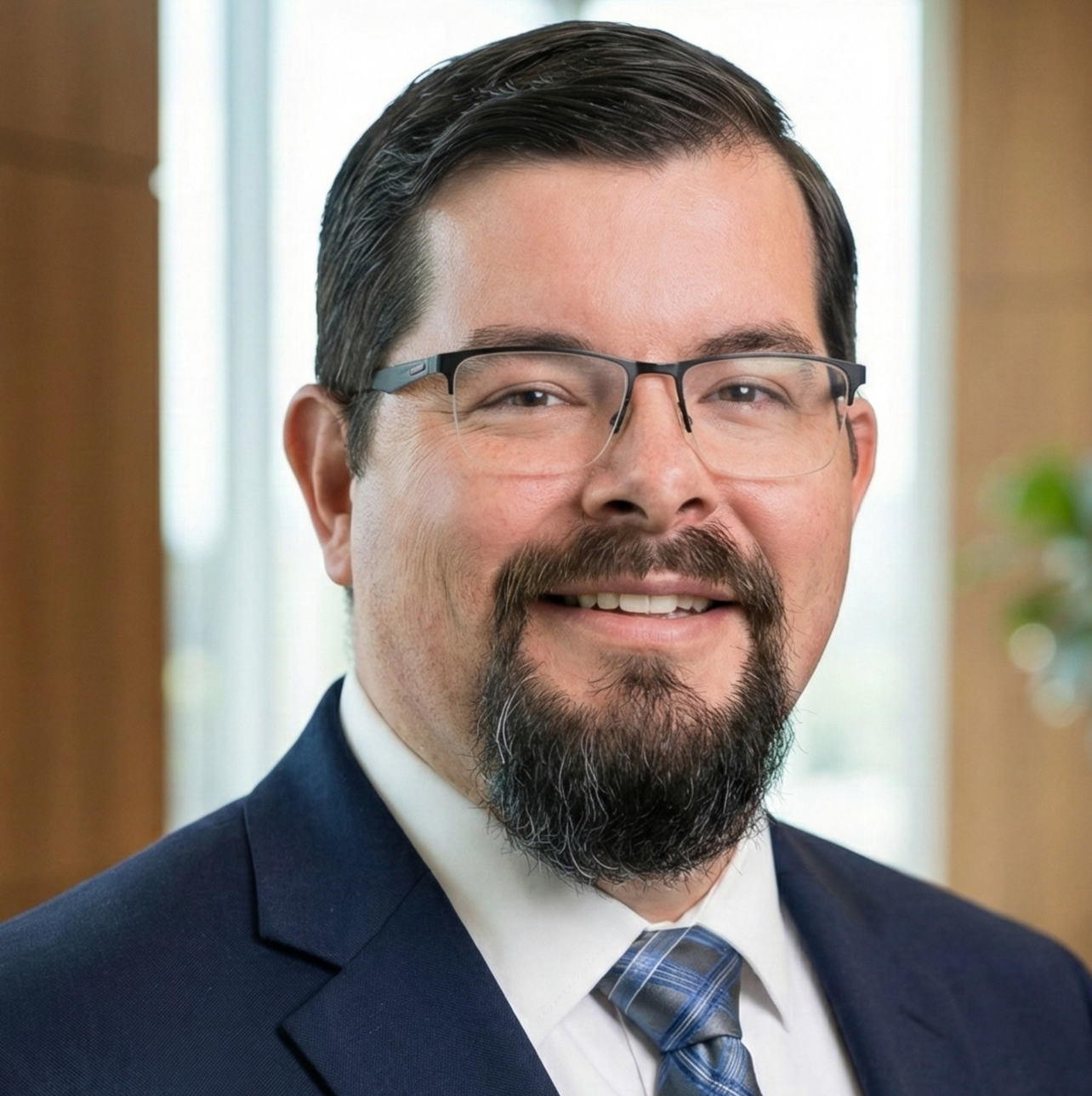
With over 20 years of experience in project management, Kris and his company, Creatapult, help companies improve their project management delivery, protect their margins, and reduce risk. Starting with a simple methodology of who, does what, by when, Kris builds repeatable systems that reduce a company's reliance on any one individual's heroics. These systems are then scaled to allow companies to grow sustainably and reach new heights of achievement.