 Spotify
  Apple Podcasts
  Amazon Music
  iHeartRadio
  Podchaser
  YouTube
 Maria Denison on Creativity Persistence and Success | 1,537
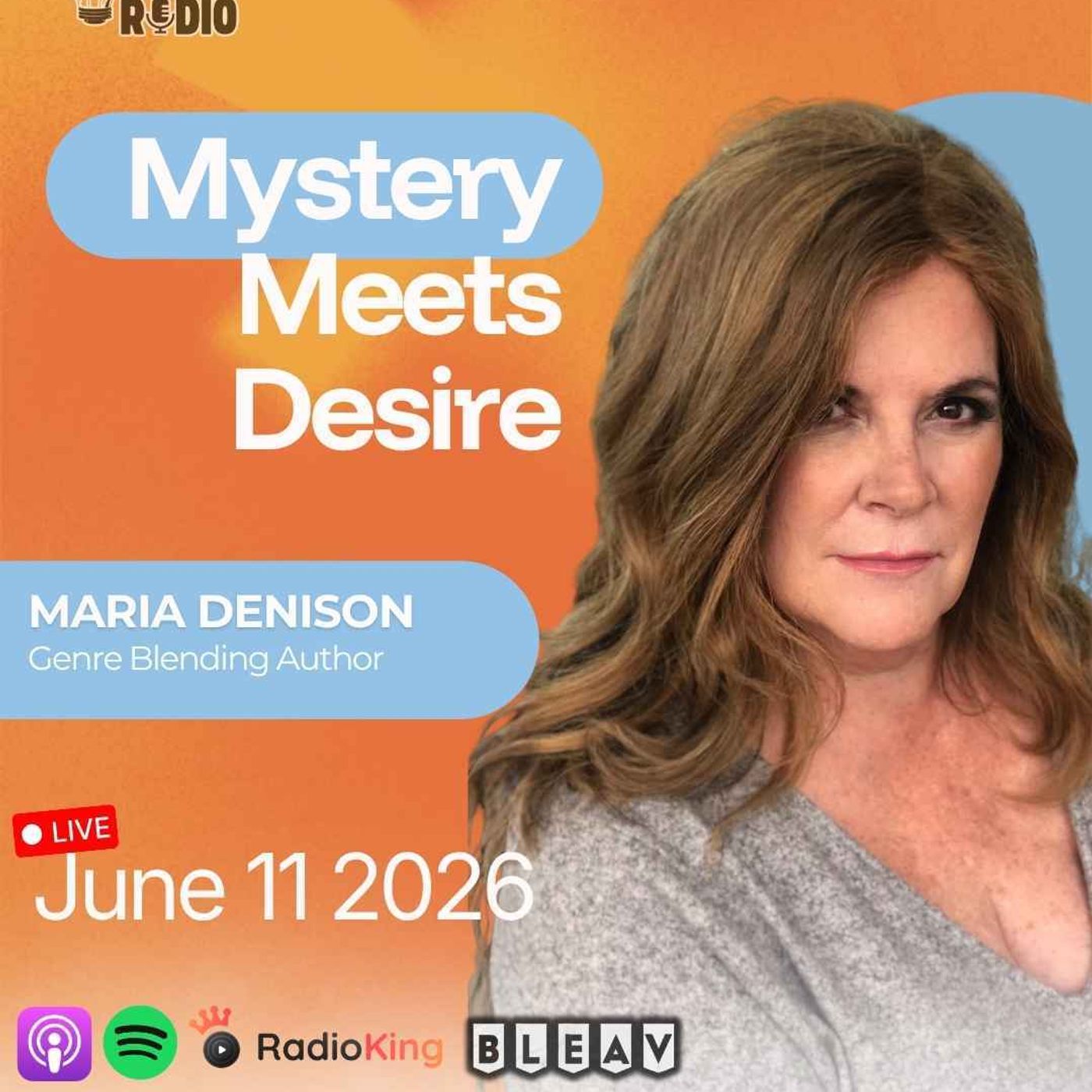
Maria Denison spent nearly a decade bringing a story to life that refused to let go of her imagination.
What began as a passion project in 2014 evolved into The Reflex Series, an ambitious five-book saga that blends mystery, suspense, romance, and the supernatural into a genre-defying reading experience. Through years of revisions, setbacks, and persistence, Maria remained committed to the world she had created, ultimately completing the series and releasing The Reflex Consolidated Version in 2025.
Her stories are driven by more than plot twists and intrigue. They explore human connection, resilience, secrets, and the unseen forces that shape our lives, all wrapped inside a fast paced narrative that keeps readers guessing.
Having lived across New England, the Midwest, and now the West Coast, Maria brings a broad perspective and rich life experience to her writing. While continuing to expand The Reflex Series, she is also developing a standalone romance novel, proving that her creativity is not limited to a single lane.
At her core, Maria is a storyteller who understands that the best stories are the ones that stay with us long after the final page.
━━━━━━━━━━━━━━━━━━━━━━━
Enjoying the show? Support the conversation!
👉 Today’s guest: www.mariadenison.com
🎬 Need standout video, podcast, or branding content?
🌐 www.positivetalkproductions.com
📡 Listen on BLEAV:https://bleav.com/shows/positive-talk-radio/
🍎 Apple Podcast:https://podcasts.apple.com/ph/podcast/positive-talk-radio/id1592839447
👍 Like • 💬 Comment • 🔔 Subscribe
#PositiveTalkRadio #Podcast #Inspiration
━━━━━━━━━━━━━━━━━━━━━━━


Maria Denison spent nearly a decade bringing a story to life that refused to let go of her imagination.
What began as a passion project in 2014 evolved into The Reflex Series, an ambitious five book saga that blends mystery, suspense, romance, and the supernatural into a genre defying reading experience. Through years of revisions, setbacks, and persistence, Maria remained committed to the world she had created, ultimately completing the series and releasing The Reflex Consolidated Version in 2025.
Her stories are driven by more than plot twists and intrigue. They explore human connection, resilience, secrets, and the unseen forces that shape our lives, all wrapped inside a fast paced narrative that keeps readers guessing.
Having lived across New England, the Midwest, and now the West Coast, Maria brings a broad perspective and rich life experience to her writing. While continuing to expand The Reflex Series, she is also developing a standalone romance novel, proving that her creativity is not limited to a single lane.
At her core, Maria is a storyteller who understands that the best stories are the ones that stay with us long after the final page.
Today’s guest: www.mariadenison.com
Hosted by Simplecast, an AdsWizz company. See pcm.adswizz.com for information about our collection and use of personal data for advertising.
Leidos (0:01): When fighting starts, microseconds matter. Our mission ready AI turns early intelligence into action, so our troops move first and keep the advantage. Leidos. Outsmart. Outdo.
Discount Tire (0:16): We've been the trusted experts since 1960 because nobody knows tires better than we do. And with over 90 tire brands, we have an abundance of options in stock for your vehicle. Buy and drive today at discounttire.com. Let's get you taken care of.
Lowe's (0:31): From backyard barbecues to homegrown herbs, the best parts of summer start at Lowe's. Right now, get three Ferry Morse 1.3 quart vegetables and herbs for just $12. Plus, get four bags of Miracle Gro point seven five cubic foot garden soil for only $10. Whether you're planting something new or giving your garden a refresh, now is the time to make the most of your outdoor space. Save more on what you need this summer at Lowe's.
Unknown Speaker (0:54): We help. You save. Valid through 06/24 while supplies last. Selection varies by location. Excludes Alaska and Hawaii.
Positive Talk Radio (1:01): And welcome to Positive Talk Radio, everybody. Rochelle is here, and she's always here most of the time. And we've got a great guest for you today. We're gonna be talking to a gal who lives right now on the East Coast. She is an entrepreneur and a business owner by day.
Positive Talk Radio (1:18): And at night, she dons her cap and her cape and becomes a super writer. And we're gonna talk to her in just a moment, Prashell. What do you think? Was that a good opening?
Rochelle (1:30): Oh, man. I don't know. If I was Maria, I couldn't ask for anything more. Maria Dennison is joining us in. Everybody know you can follow along at mariadennison.com.
Rochelle (1:41): And before we even say anything more, Kevin, let's bring her in.
Unknown Speaker (1:46): Let's do it. There's a moment in every life when you decide to rise.
Unknown Speaker (1:52): To stand taller than your fear.
Unknown Speaker (1:54): To speak louder than your doubt.
Unknown Speaker (1:56): To chase the vision that sets your soul on fire.
Unknown Speaker (2:00): This is that moment. And here, we walk it together with stories that awaken, voices that inspire And truth that set you free. This is Positive Talk Radio with Kevin And with Brachelle. Where hope has a voice.
Unknown Speaker (2:16): And that voice
Positive Talk Radio (2:17): is yours. And welcome to the show again, everybody. We have Maria, I've gotta ask you. Has anybody ever introduced you like that before?
Maria Dennison (2:29): No. I love it. I love it. I'm stealing it. Thank you for having me.
Positive Talk Radio (2:34): You may have it with our blessing, because you are very creative. She's in Las Vegas. We talked about Red 32 already, Rochelle, so we don't have to go down that road because that I know that's a painful story.
Unknown Speaker (2:49): La la la. That's what that makes me feel like.
Unknown Speaker (2:54): And Maria Dennis and Anne. By the way, I I gotta say this, Maria. Congratulations. Because you launched your second book day before yesterday on a Tuesday. And Yes.
Positive Talk Radio (3:08): Congratulations. And there's a whole story around that as well, and we'll get into all of that. But, Rochelle, would you like to provide a little context?
Rochelle (3:21): Yes. Everybody, please follow along. Mariadenison.com. She's got her books, and so many other things as well as a Shopify playlist we're gonna talk about. But really, let's get to know you a little bit more, Maria, so we can understand the books when we're talking about them.
Rochelle (3:37): Where have you always been a writer? Is it just something or that you've enjoyed? Or is this something that maybe you realized you loved?
Maria Dennison (3:46): I think when I was young and I was in college, I definitely enjoyed writing creative writing. Know, I I would be the last person that would create an essay for an assignment. You know, that was two hours before it was due. But if you let me just run a roam freely, I really, really enjoyed to write. And I ended up with a MITRE in college for creative writing.
Maria Dennison (4:09): But, you know, back then, late '80s, you're you needed a job. You know, you couldn't go with your passion. So I ended up in a career that was a corporate career for about fourteen years, and then I went out on my own. And so I have been involved with pretty much blue chip corporations most of my life, either working for them or beside them. And that kinda gives you a unique experience because the way my job was structured, it was sort of a project to project job, which gave me the opportunity to meet a lot of people.
Maria Dennison (4:49): Pretty much every six weeks, I was introducing myself to a whole new team, to a whole new, you know, potentially 200 to 300 people. And in the course of that career, I have to tell you the stories I've heard, the people I've met, it really becomes fodder for tons of tons of ideas. And those ideas were circulating for a long time in my head. And I finally decided as work started to calm down a little bit and I. My daughter was, you know, grown or getting to the point where she didn't need her mom that I would start to write and I I just had this one story in my head.
Maria Dennison (5:33): The books that I'm writing now are written. I should say they're all done, but I had this one story I needed to get out and I just started to write and write and write. And the next thing you knew, I had five books. I had a whole series that I didn't know what to do with. And it was only recently that I said, okay, you gotta do something with this.
Maria Dennison (5:52): You gotta get it out there. And since then I've started writing in some other genres as well. So we'll, I'm expecting to have a couple of different books out over the next year, one in the romance drama, and I believe one will be more, more lit fiction, kind of straightforward lit fiction. So, yeah, I'm looking forward to doing writing. I'm not taking it as a hobby anymore.
Unknown Speaker (6:17): Thank you for that.
Maria Dennison (6:18): Now it's my full time job. Awesome.
Positive Talk Radio (6:22): Well, congratulations for that. And and one of the things that caught my eye when I was reviewing your website is that the women that are in your books, the heroines, are are not the ingenue, which is the the early eighteen to twenty something. I would I would consider Rochelle kind of an ingenue. I'm gonna
Unknown Speaker (6:50): take that so good because I don't even know what that means.
Positive Talk Radio (6:57): And and Anjouna is a young, beautiful girl who may not have experienced life as yet. And and Maria's her her correct me if I'm wrong, Maria, but the heroines in your book and what you focus on are women of a certain age group or or?
Maria Dennison (7:20): Maturity. Women of a certain maturity and experience, I like to say. No. I I don't prefer to write about the doe eyed damsel in distress. Not to say that I would never write a story with a doe eyed damsel in distress.
Maria Dennison (7:37): I'm just saying that for this story, that wasn't what my protagonist needed to be. I needed to be a protagonist that was a badass. Can I say that? Yes. I mean, there are a lot of women out there, especially, I think, in my generation, who have had to put up with quite a bit of quite a few things over the course of the state.
Maria Dennison (8:01): Well, that's twenty five years. And I think it's hardened us. It's made us a bit more bad bitches. I mean, you know, I love it when the young girls say that. And I mean, and I'm like, that's great, but you have no idea what that really means.
Maria Dennison (8:19): Yep. At 25 years old, you have no idea. So I think I wanted to write a story where, okay. I actually do have an idea what that means. And let's show the world what a bad bitch or a badass woman really is.
Maria Dennison (8:32): I mean, somebody who's had to rise and endure. That just doesn't happen when you're young. I I don't even know if it's possible. I mean, experience really adds to that factor a lot. To this day, I mean, I think that I'm formidable.
Maria Dennison (8:51): I mean, I've had to be to endure career and to endure everything that's happened over the last, let's say, forty years. So I think I draw from all of that and say that I wanted, you know, the characters to be relatable. And I wanted to write protagonists that were older, that did have wisdom that comes with age, but still had a lot of vulnerabilities. And to explore those vulnerabilities, the ones that you get when your children, when you have children, when you're married, when your children are reaching age where they're ready to leave the nest. It's a whole different set of issues, I guess is what I'm saying.
Maria Dennison (9:33): And I wanted to explore that. I didn't feel it was explored enough in fiction yet.
Unknown Speaker (9:38): Yes. You know, I love this so much, Kevin, because what she just said is so powerful to what we're living now with this bad bitch. You know?
Unknown Speaker (9:47): Yeah. You
Rochelle (9:47): could be because it's coming from such a egotistical, physical point of view. You're coming from a spiritual, realistic, tangible point of view of honoring how you got that title, not just throwing it around because you're a cute little rich whatever you think you are. But I I fully support that, Maria. Although it may be confusing to hear because I'm younger, I I absolutely adore that you've taken that position to share that at the same time. So thank you.
Maria Dennison (10:21): Well, and I think it's great. Nothing against anybody who's young who wants to call themselves. I think yeah. Be empowered. You know, maybe I would have called myself that at 25.
Maria Dennison (10:31): I just know at this point, I earned the title. There you So, I mean, like I said, maybe I would have earned it quicker had I had I embraced that at a younger age. So, you know, god bless those who who do wanna go that route. I mean, I think as women, we need as much empowerment as we can get these days. Good point.
Positive Talk Radio (10:52): Well, as as having been around the planet for even longer than you have, I can honestly say that experiences are the best teachers. And and you don't know what you don't know, and then you learn them over the course of time and and the things that happen that that add to the compilation of the the book of your own life. And when you take that and then you can put it on paper and pen and and put it into a book like you do, it becomes very real. And and it's not a fictional it's not like a a sleeping beauty thing. It's a real life thing that happens to real people.
Unknown Speaker (11:40): Would that be a good way to describe it?
Maria Dennison (11:43): Yes. Yes. I mean, I, you know, I I like to call the book a little bit magical realism because it definitely has a little supernatural aspect to the book and then the series afterwards. But I wanted all of that to be based on realism. I wanted that to be based on science.
Maria Dennison (12:03): I wanted that to be based on what potentially our future as humanity could look like. So, basically, it is all, like, relatable. I I mean, there's I can't think of another word at the moment to say, like, the protagonist's problems, the things that happen to these people, they may be extreme, but they are things that happen to everyone on a day to day life. Everybody has extreme moments of stress for one reason or another, and everybody makes mistakes. And the whole point is to learn from those mistakes.
Maria Dennison (12:39): Pick yourself up, dust yourself off, and keep on going.
Positive Talk Radio (12:44): And that's that's what resilience is all about. Picking yourself up, dusting yourself off. And but I have to ask you. It seems to me, and I love your opinion on this. And Rochelle too.
Positive Talk Radio (12:54): It seems to me like we right now in our time in history are faced with a clear and a clearer choice than we've ever had before of which direction we wish to take humanity. We can take it into a good direction, or we can go down the road that of hate division and fear. Which do you prefer to, and what do you think humanity is gonna choose for itself?
Maria Dennison (13:26): I'd like to this is a loaded question.
Unknown Speaker (13:30): I know. That's why I asked it.
Unknown Speaker (13:31): I'm gonna let Maria take care of this one.
Maria Dennison (13:34): Okay. Again, let's look back at experience and wisdom. I'm not gonna tell you that I'm not kind of frightened. In my many years here and the things that I have seen, I don't know that I have ever experienced the divisiveness. I don't know that I've ever experienced this kind of far right, far left thinking where the people in the middle are sort of left behind.
Maria Dennison (14:05): I don't know. I mean, I was not old enough, let's say, during the Vietnam War. I I do know that there were a lot of opinions then. I was just watching a document documentary on Windstock, and I was like, wow. I didn't know that.
Maria Dennison (14:21): So just a little young to understand all of that. But but from what I have experienced, this is a scary time. And I tell people who who say that they're frightened, I say, yeah. Feel it. I mean, it is a bit frightening.
Maria Dennison (14:36): Do I think we'll overcome it? I sure hope so. I sure hope so. I I don't know where all the hate comes from. I don't know why we can't proceed with kindness.
Maria Dennison (14:49): What happened to kindness? I mean, what happened to just being human and having a respect for humanity? So, yeah, I mean, it's a loaded question for me because I fear. I fear for your I fear for your generation, the young ones. I fear that this is gonna change everything.
Maria Dennison (15:11): But let's hope it doesn't. I mean, I wish I had the answers. All I know is I sometimes I look forward, and as we say in Italian, sometimes I look forward and I see black. Yeah, I mean, I see darkness, and I try to I really try to shrug that off very quickly and be optimistic. But I do hope I do hope that those of you who are young, who are ready to take this this thing we call Earth forward will fix the mistakes, will overlook the mistakes, and head in the right direction.
Unknown Speaker (15:44): Yeah. Let it change, but let it be good.
Unknown Speaker (15:47): Yes. Yes.
Positive Talk Radio (15:48): And and one of the things that you said is if we could first of all, it costs nothing to smile.
Unknown Speaker (15:57): Yeah. Right.
Positive Talk Radio (15:58): It costs nothing to have a nice word for somebody. Kindness is is something that you mentioned, and we have a point to ponder that I'd love to play around that, and I'd love your opinion on the other side. Can we do that? Sure. The strength of staying kind from your friends at Positive Talk Radio.
Positive Talk Radio (16:18): Kindness is not weakness. It takes real strength to stay kind in a world that often rewards anger, ego, and control. Being kind means choosing to act from your values, not your wounds. It means showing grace even when no one's watching. But kindness doesn't mean being passive.
Positive Talk Radio (16:36): It doesn't mean letting people take advantage of your time, your energy, or your peace. You can be kind and still say no. You have a soft heart with firm boundaries. The strongest people I know are the ones who choose compassion without losing themselves. They've been hurt.
Positive Talk Radio (16:53): They've been tested, and still, they choose to love and lead and to lift others anyway. Kindness is not about pleasing everybody. It's about honoring who you are and how you treat others even when it's hard. So stay kind, stay human, and stay strong. And always remember this, be kind to one another because each other's all we've got.
Positive Talk Radio (17:17): And by the way, we are talking with Maria Denizen's super author. I'm sorry. I'm got that got that stuck in my head. So, Maria, that's what did you think of that piece?
Maria Dennison (17:30): I got a little for camped. I was a little like, wow. That was yeah. Yeah. No.
Maria Dennison (17:35): That's so true. That's so true, though. I mean, how hard is it to just if you see somebody who needs assistance to say, can I help you? I mean, I do a lot of flying. I do and I'm always, like, the first person to say, I help you with that bag if somebody's struggling to get it in the overhead?
Maria Dennison (17:52): Or to ask a woman with a baby, like, can I grab your stroller? Can I disassemble it for you and leave it at the gate? I mean, how why is that so difficult for people? They're just rushing by clueless to what's happening around them. Well, you kinda just said it.
Unknown Speaker (18:08): Isn't it time?
Maria Dennison (18:10): Yeah. I mean, it's just stop. Everybody stop. Look around you. Show a little kindness.
Maria Dennison (18:17): I mean, you know what? Pay it forward. It'll come back to you. I mean, it's that strange karma. You know, that strange one of the things I do in my book is talk about collective consciousness.
Maria Dennison (18:29): I mean, we are all connected. I I don't know when people are gonna finally realize that. I mean, we really are all connected. We're all
Unknown Speaker (18:38): Kevin, I
Unknown Speaker (18:39): just experienced that, like, thirty minutes ago.
Positive Talk Radio (18:42): Well and and, Maria, I have to tell you this, and I'm so proud of my friend, Rochelle, because I drove a bus for twelve years, and I have seen people that witness something and they just sit there. They don't respond. I I I saw an older lady with a walker who fell to the side of a moving bus and then fell to the ground and on my bus. Now I had to call it in so I couldn't go to her immediately, and we're trained to wait for a response so that we can get people there. Nobody.
Positive Talk Radio (19:21): I had 50 people on my bus. This lady and her walker are lying on the ground and nobody leaves the bus to help her. Nobody. Makes me sick. And Brichelle witnessed an accident this morning, and and you she was the first one out there.
Unknown Speaker (19:41): And what did you say when you got out there?
Unknown Speaker (19:43): Do you need help? I didn't say, are you okay? Because it's the dumbest thing you could say. But I said, do you need help? And she said no.
Unknown Speaker (19:51): So I just stood with her. That's it. I didn't even say anything until she was done with her phone call and realizing what happened to her beautiful car because of somebody not paying attention for a split moment.
Positive Talk Radio (20:06): An $80,000 BMW is now a pile of
Unknown Speaker (20:12): junk.
Positive Talk Radio (20:13): So but but and that is that and that is the responsibility that we have for each other because I agree with you, Maria, 100. We are all connected. We are all one. We are all part of the same human family. Yeah.
Positive Talk Radio (20:26): And until we start recognizing that in a really, really big way, and we've got another point to ponder that I have to play for you regarding that. But we have got the ability. We can make the change. It's very possible for us to do it, and that's why this show exists. Rochelle?
Rochelle (20:42): On top of that, Maria, I think what I'm realizing the most is how important this is. When somebody saw me, go check, other people started coming. You know, be that person to create that effect. Don't be afraid. Don't
Unknown Speaker (20:53): be that bystander. In psychology, it's called the massing effect. Yeah. The massing effect. In psychology, that's what it's called.
Maria Dennison (21:00): Everyone feels like they can't be the first person, but they can be the second or the third.
Unknown Speaker (21:05): See, and that's odd to me. I don't I won't figure that out. But even people were trying to still pull in, seeing this car the wrong way up on the sidewalk in the grass, and they're honking like as if they're gonna move. And I'm in my mind, I'm like, how are you if your eyes are open, how do you not know that they can't move? So it's just a maybe just slow down and, be kind.
Rochelle (21:30): Damn it.
Positive Talk Radio (21:32): And and and by and by the way, Maria, and and Rochelle just said this, I'm a child of the sixties. And so I grew up in the Vietnam era, and and there were songs like slow down. You move too fast. You got to make the morning last. Sitting by the cobblestones, just singing around and and feeling groovy.
Unknown Speaker (21:56): I do. Do you remember that song at all?
Maria Dennison (21:59): I do. I do. I do. I mean, I I liked the music from the seventies. I mean, I would get the little oh my gosh.
Maria Dennison (22:05): I'm gonna really age myself. The little 40 that you would play with the Yeah. The thing the little thing in the middle and put them on your record player. Yeah. No.
Maria Dennison (22:15): I know all the songs. I just was a little too young to understand the emotion. You know, that I'm understanding later. But so that's what I mean. Like, I can't really weigh in on that because I don't under too young to understand the emotion.
Maria Dennison (22:30): Just just understand the music. But but yeah. I mean, you know, it's an age old concept. You reap what you sow. I I don't know why people have forgotten that where they feel the rules don't apply to them, and they feel they don't need to step out of their safe space and help somebody else or see if somebody else is okay.
Maria Dennison (22:55): It's it's odd. It is odd.
Unknown Speaker (22:57): And it's
Maria Dennison (22:57): definitely getting it's getting worse, I think, which is why I say I'm sort of scared at the future. I hope more people can just look around themselves and look around and say, I can share a smile. I can share a funny story. I can share anything to make that person's life just a little bit more bright today. Happened to me this morning.
Unknown Speaker (23:23): Yeah.
Rochelle (23:25): Maria, you know, I beg to differ, though, about you not understanding it because your subconscious, being little was listening to that. So I think it had its part to play in in building you with kindness.
Maria Dennison (23:38): It's possible. It's possible. We debate this all the time in my family, like, how much you have nature versus nurture. Don't even get me started on that. But yeah, I mean, you know, I think children are very resilient.
Maria Dennison (23:51): So I do wonder how much actually is nurture versus just you're born the way you are, but that's a whole discussion for another interview. So, anyway Kevin, show
Unknown Speaker (24:04): us our point to ponder, and we'll get Maria's idea.
Unknown Speaker (24:08): Which one?
Unknown Speaker (24:10): You said you had him evict out.
Positive Talk Radio (24:13): I did. Well and this is Maria, and this is foundational to who I am, what I want this show to be known for because I believe, and we're talking about this, we have got a decision to make collectively as humanity, and we can make a declaration for peace and love or hate division and fear. It's our choice, and we get to do it. And I want, I choose peace and to and to decorate to to I wish I could speak English. That'd be helpful.
Unknown Speaker (24:53): Let me just play this. Kevin Ease. That's me. And let me play this just real quick. For way too long, we've allowed shadows to dictate our steps.
Positive Talk Radio (25:07): Our clamor of division, whisper of fear, and the harsh grip of hate. They've tried to define us. But this moment, this is our moment of truth. We remember who we truly are, not just separate islands, islands, but a vast ocean of shared humanity. We declare our independence from the narratives that have pulled us apart.
Positive Talk Radio (25:30): We choose curiosity over judgment, empathy over indifference, understanding over accusation. This isn't about ignoring our differences. It's about celebrating the strength woven into our tapestry. It's about remembering that progress isn't built exclusion, but on common ground. So let the banners of kindness fly high.
Positive Talk Radio (25:55): Let the anthem of unity ring out. This is our declaration. Our independence from what limits us. Our freedom to truly connect. Because together, we we are stronger.
Unknown Speaker (26:07): And together, we are free. And this declaration is brought to you by Positive Talk Radio. Yeah. And again, our our favorite author of the hour is Maria Dennison. If you go to our website, how do you get there?
Rochelle (26:23): You can go to anywhere the Internet is and type in Maria Dennison. That's d e n I s o n dot com where she's got her books, the shop, the blogs, the blurbs, and the Spotify playlist. But the book itself, I wanna get out the first one, book one of the Reflex series, consolidated version. Are does your website house all the books in the series? Can you hear us?
Unknown Speaker (26:56): Can she hear you?
Unknown Speaker (26:57): Can you hear me?
Maria Dennison (26:59): I can hear you now. I was having trouble before. Yep. I'm back on. I'm on.
Unknown Speaker (27:05): Okay. Good. Good.
Unknown Speaker (27:06): Thank you very Can you hear Bichelle?
Maria Dennison (27:09): I can now. Okay. Good. Bichelle, I was having trouble when you when you first went on. Didn't hear you.
Unknown Speaker (27:14): Okay. Yeah. Just making sure that you're No.
Unknown Speaker (27:17): I'm not hearing you again.
Unknown Speaker (27:19): Okay. Make sure that we can find her books and everything on her website, Kevin, and I'll be right back.
Unknown Speaker (27:23): Can you can you hear me, Maria?
Unknown Speaker (27:25): I can I can hear you fine, Kevin? It's just
Positive Talk Radio (27:28): Oh, awesome. That's that's why I'm that's why I'm here. And, and by the way, if you go to our website, which is mariadennison,uh,.com.dotcom. And you can go and you can go to her books, are, the books. There are two right now that are in the series.
Positive Talk Radio (27:50): I understand it's a series of five, and the first one is reflex, the reflex. The second one is is
Unknown Speaker (27:59): The reaction.
Positive Talk Radio (28:01): The reaction. I love I love that. And there are three more coming. Is that correct?
Maria Dennison (28:07): Yes. Over the course of the next year, all five hopefully will be out.
Unknown Speaker (28:12): Oh, that that is amazing. And and, Rochelle, say something when you
Unknown Speaker (28:18): tell me something. Maria? I can hear you now. Perfect. Gosh.
Maria Dennison (28:22): I feel like that commercial.
Unknown Speaker (28:24): Can you hear me now?
Unknown Speaker (28:26): Yes. Yes.
Unknown Speaker (28:27): By the way, have to ask you. What did you think of that piece? Kevin. Oh, god. God.
Unknown Speaker (28:32): Oh, well, I'll ask what Kevin said. What did you think of that piece that we played, the declaration?
Maria Dennison (28:38): You know, the thing that jumped at me was the idea of empathy. I think empathy is so important. I I you know, again, key piece in the books I've wrote I've written. Empathy is is something I think we've lost. I mean, does anyone even understand what it's like to feel what somebody else is feeling anymore?
Unknown Speaker (29:03): Yeah. But Rochelle does. Can you hear me now?
Unknown Speaker (29:05): Yeah. I can. There we go. There we go. Can you hear me?
Positive Talk Radio (29:10): Oh, you never left NAUC. You are super author. And when you're a super author, you can be heard all the time everywhere.
Maria Dennison (29:20): It's just you two that are switching. You're tag teaming in on the audio.
Unknown Speaker (29:26): Hi. Can you hear me? Are you saying you can't hear me?
Maria Dennison (29:29): I can hear you now.
Unknown Speaker (29:30): Oh, okay. So phenomenal. Well, now that we're back on track, Maria, please do tell us how you came up with the five. You kind of told us that they all came out of you and then you split them up into what they are. Tell us a little bit about that.
Maria Dennison (29:47): So the books are based on a working mom who at least appears to be a working mom who has her own business and and twin 15 year olds, has a wonderful husband, but she suddenly suddenly starts to hear the Duran Duran Duran song, the reflex, in the oddest of places. And then she finally gets a phone call with the music just blaring on her phone, and she knows something is eminently wrong. So she calls her best friend who also happens to be the director of the CIA and says, I'm coming in to see you. So this sort of starts the book off where we realize that Kara Andre is not just a working mom, although she is just a working mom, but she did have a life before, a life she left behind as a former CIA agent. And that life has come back to bite her in the butt and threaten her.
Maria Dennison (30:46): And so it takes off from there, where it becomes a very suspenseful book with a lot of twists and turns. It's definitely a found family book. I really wanted to convey with this book that sometimes it's not the family you're born to that become your family, but the friends that, you know, will help you bury a body, the friends that are there for you. So it's really a found family book. But there's also a bit of a little love triangle in the book as well.
Maria Dennison (31:19): So there's romance. There's humor. There's mystery. There's suspense. And and kind of about halfway through the book, you realize there's there's a little bit more than than that just going on.
Maria Dennison (31:31): There's something special about Cara that she's never realized, and this is the concept of the collective consciousness. So it's very genre braiding. I sort of broke many rules of fiction. I didn't stay in my lane. I didn't pick a trope.
Maria Dennison (31:53): So for me, I just tell people it is what it is. It was a passion project. I wanted to write it. I wrote it. I'm getting it out.
Maria Dennison (32:01): My apologies for thinking outside the box. Then again, that's par for the course with me. Anyway, I always hated the box. The box bugs me. And I don't know.
Unknown Speaker (32:13): Why why are we supposed to stay in the box? Was is there a rule about that?
Unknown Speaker (32:18): It's overrated.
Unknown Speaker (32:20): I think it's so we can learn to set it on fire and get out.
Unknown Speaker (32:23): Yeah. It's don't get in the box. Yeah. Yeah. And there's not enough there's not enough enough air.
Maria Dennison (32:28): I I've just never ever since I was young, I was never in the box, and everyone kept saying, get in the box. No. No. So, again, I defy marketing, and I I did create a genre reading book. But I hope that people enjoy it.
Maria Dennison (32:46): I hope they enjoy the story. I hope they enjoy the little clues that I leave along the way. It's a lot of banter. It's not pretty prose. So if you want to read something that has a lot of very pretty lyrical writing, this is not the book for you.
Maria Dennison (33:09): I don't like to read those books, so I certainly wasn't going to write one. So, I mean, I I I stay true to myself outside the box, breaking the rules. But I've had some very good reviews. So I'm I'm
Unknown Speaker (33:23): I bet.
Unknown Speaker (33:24): I'm not delusional. Yeah.
Unknown Speaker (33:26): So it sounds like a great movie, Kevin.
Unknown Speaker (33:29): I know. Actually, a miniseries. A Yes.
Maria Dennison (33:32): Yes. It's a Netflix miniseries. I've already decided. It's a it's a Netflix miniseries for sure. Speaking of
Positive Talk Radio (33:40): yes. And, Maria, speaking of being out of the box, there's a gentleman that I wanna introduce you to who is not from around these parts. He's all the way in in in Kenya. His name is Samuel, and he's out of the box because he is in the largest slum of Kenya, and he feeds every Saturday Upwards of 500 kids and their parents these days. And this is Samuel and Brushell.
Rochelle (34:13): Hi, Samuel. He's here to say hello, jumbo jumbo, brother Kevin McDonald and my sister ambassador Guest Maria Dennison received greetings from Kibera Restoring Hope Center based in the slums of Nairobi, Kenya. This is my favorite program, Positive Talk Radio Show. God bless you all. Together, we are strong and one.
Rochelle (34:36): He's got it figured out. Maria, that we can be from very far away, and still tell so many stories in so many different ways that have an impact to bettering our life. Do you have things like that in the book, as you mentioned, little things you leave for to plant that seed in people's minds.
Maria Dennison (34:54): Yes. Yes. Definitely. Definitely. And like I said, I like to think the books really explore the human condition.
Maria Dennison (35:01): Any And And we are, we're all tied together. I mean, our sorrow is collective. Our happiness is collective. And we can manifest a change together. I mean, what was the old saying?
Maria Dennison (35:17): One person can make a difference. Two people can create miracles. I I think that's very true. I mean, I think people don't embrace the power of of being with other people. I think social medias and and phones and and and your generation has sort of stepped away from the socializing that I think is so important because, you know, it is.
Maria Dennison (35:48): There's an energy that we give each other. There is and that energy is really what's gonna make a difference. You know? And that's where the empathy is gonna come from. That's where the kindness is gonna come from.
Maria Dennison (36:01): It's not a flat screen. No offense to a podcast, but because I'm on one right now. But you know what I mean. Like, when the podcast is done, go interact with people. Go be with people.
Maria Dennison (36:12): Go see things. Experience things. Because that's what I think creates the empathy. You know, knowledge is power. I hate to be a pillar of cliches, but it's true.
Maria Dennison (36:24): And, I mean, I can't express that enough. If my daughter were here, she would say, yeah. She's going on her soapbox.
Unknown Speaker (36:35): Your my kids say the same thing.
Unknown Speaker (36:38): Yeah. I wonder why. I think it's
Rochelle (36:40): instructive and inspiring because, you know, Maria, as you're talking about that, I'm I'm realizing that talking to my own generation of people is harder than talking to younger or older generations. Because when you stand out, when you're that middle person, you don't fit in very well, and you kinda don't know where to turn.
Maria Dennison (37:03): It'll catch up to you, though. I I mean, if you're if they're you if you're there now, you'll find it'll everybody else will catch up to you. It's just gonna take them longer. You've been enlightened. I hate to use that word, but you've been enlightened earlier.
Unknown Speaker (37:16): They'll they'll get enlightened, hopefully. I can help just
Unknown Speaker (37:20): by living who I am.
Maria Dennison (37:22): Exactly. Exactly. Exactly. I mean, they make fun of us, you know, the the the Gen X, you know, the the late stage baby boomers. But, I mean, let's face it.
Maria Dennison (37:33): We did we I think we were forced to. I don't know that we even had a choice. So we're different. We didn't have a choice. I mean, we we just did what we did to survive.
Maria Dennison (37:48): I mean, even my mom, who's 90, will tell a story about us, you know, jumping around the car while we were on a trip. And she was like, come to think of it, the fact that we could just let you kids run around the car while your father was driving, it was kind of barbaric. I said, I know. Right? Compare you know, compared to now when you strap your children in, it it's like we were just playing all these kinda games, jumping from seat to seat, from the trunk, you know, to the back.
Maria Dennison (38:19): I mean, we were feral. I mean, we were raised like feral wolves. I mean, and it's true. We all were. There just wasn't Love it.
Maria Dennison (38:27): These kind of rules. So, I mean, the fact that we survived is miraculous. But we we are a bit hardened by it as well. I tend to think our generation, Kevin and mine, sometimes we're not as sympathetic as we should be. Sometimes we don't understand that that our kids, you know, just didn't have that kind of stuff thrown at them.
Maria Dennison (38:54): Like, they're just their coping mechanisms are not as resilient as ours. We had to. You know? We were forced to. So I I try to say to people who are in my position, be patient, with your kids.
Maria Dennison (39:10): Be kind. Be patient, and understand that they're dealing and they're coming from somewhere different than you. And I hope I'm doing that. I
Unknown Speaker (39:19): It's a it's a wholly different world. I remember when I was 11 and 12 and I was on the little league baseball team, I would walk up, three or four blocks to a particular corner, and the coach would pick us up. And and he used to have a convertible. And so we would sit with our feet on the back seat and sit in the remember those days when Yeah. When Yeah.
Positive Talk Radio (39:44): Nobody cared, and you could sit on the back bumper or the back the the where where the
Unknown Speaker (39:53): the started.
Positive Talk Radio (39:54): Yeah. Thank you. Where the truck started, and there would be four kids across. We would
Unknown Speaker (39:59): go up
Unknown Speaker (40:00): the hills and down the hills and go 35 and and and we all survived. We did. We we we really did.
Unknown Speaker (40:07): So
Unknown Speaker (40:08): Yeah. We learned to
Maria Dennison (40:08): hang how we did. Oh, yeah. No. You did. I mean, we were just telling a story at a dinner party the other night about how many people remember the doors automatically, like, dad or your mom would take a corner and the door, your passenger door would just fly open.
Maria Dennison (40:23): And, like, your parent or somebody would grab you and pull you back into the car. Like, everyone has that story my age from their childhood. Like, I don't know what was wrong with cars back then, but I guess if you didn't really shut them good enough, they would just bling open. And and
Unknown Speaker (40:38): My grandmother did that to me.
Maria Dennison (40:40): See? I told you. Everyone has this story.
Rochelle (40:44): I skipped that part. See, just because I have a great grandpa and we go back in this old town where they still kind of live in those days, I got to experience quite a bit of it. And I feel so blessed, but still I continue to learn things that I never knew, like the car doors springing you out of the car.
Maria Dennison (41:02): Exactly. Yeah. I'm telling you, everybody has that story.
Positive Talk Radio (41:06): And do you remember the fact that in the olden days, you could buy a new car and it didn't even have seat belts in the back seat?
Maria Dennison (41:14): No. It didn't. It didn't. No. Seat belts?
Maria Dennison (41:18): Yeah. I mean, no. I mean, even if there were seat belts, they were they weren't harness style. They were just a cross. Yeah.
Positive Talk Radio (41:25): No. And and yeah. And and, of course, me being the ever youthful rebel that I am have figured out how to make the seat belt not go ding ding ding ding ding in my car without having to put it on. So
Maria Dennison (41:39): Oh my god, Kevin. Kevin, you're you're you're acting like my dad. My dad had it all. A whole trick system. He hated seat belts.
Maria Dennison (41:48): He had a whole trick system, and he's he had, like, an older Mercedes, but it wasn't old enough. It was it was young enough where it would ding if you didn't have your seat belt on. Yeah. He had a whole, like, jury rigged paper clipped rubber band system in his car that he would, he, he would be able to drive it without putting his seatbelt on. And we were just like, oh, dad.
Maria Dennison (42:10): And you know what? He died, but he did not die in a car accident. Well,
Positive Talk Radio (42:16): nobody lives forever. And but you know something? And I I would love to play this to see. And then then I wanted I wanted to talk to you about your Tuesday this last week when you had the opportunity to drop, and they say that in the biz, to drop your book and and to put it out there. And but, Prichelle, do you think I should play this?
Unknown Speaker (42:45): You know what I'm gonna play. Right?
Unknown Speaker (42:46): I think I do, and I think you should. Intuition says yes.
Positive Talk Radio (42:52): And and this is, you know, this is part of our life, and we get to choose how we're gonna make it go. And, hopefully, the audio will stay with us this time. You're give me hoping that the yeah. We'll see. But listen to this, Maria, and then I would love to talk to you about your Tuesday past, which had both a wonderful part and also a a realistic life part.
Positive Talk Radio (43:19): So watch this. Here is another point to ponder by Positive Talk Radio. The world is full of people who would die for someone they love. But what about living for them? Waking up early to take care of your health.
Positive Talk Radio (43:35): Letting go of the habits that steal your years. Choosing rest instead of running yourself empty. The truth is your family doesn't want a hero who dies for them. They want a parent who stays, a friend who grows old with them, a soul who chooses life every single day. Don't just die for love.
Unknown Speaker (43:59): Live for it. And can you hear me?
Unknown Speaker (44:05): I can hear you.
Positive Talk Radio (44:06): Oh, yay. Oh, goodness gracious. We did it. We survived technology. I'm so I'm so happy.
Positive Talk Radio (44:14): And and by the way, we're talking with Maria Dennison Burchell, her website again.
Rochelle (44:19): Mariadennison.com. Last name is d e n I s o n. Please don't write that down if you're driving, but get to it next you know. Mariadennison.com. You can find everything you need to as well as the books, which we're gonna talk more about.
Rochelle (44:36): So, Kevin, go ahead.
Unknown Speaker (44:37): What did you think of that piece?
Unknown Speaker (44:40): I I loved that piece. I I that was good. That was good. I I it made me think of what happened to me on Tuesday, and it it did bring that back.
Positive Talk Radio (44:52): Well, Andy, you know, that Maria, that's the thing about life. Sometimes we have and and we anticipate great things happening and and especially when your book is gonna come out on a particular day and you're anticipating that, and then you're thinking about, doing parties and celebrations because it's a great big deal, and then life intervenes.
Maria Dennison (45:16): I always say life gets in the way.
Positive Talk Radio (45:19): It it does. And so tell us what you were doing while your book was being introduced to the world on Tuesday.
Maria Dennison (45:27): I am gonna try to tell a story. Yes. I am a storyteller. I like to tell people I am not a writer. I am a storyteller.
Maria Dennison (45:37): And so I'm going to tell a nonfiction story. The story actually went out on the newsletter after the fact to anyone who is subscribed to my website. But on Tuesday, I could not change it. I had to meet with several a case manager and a new medical team because I've switched my mother's hospice because she was not happy with her existing one and I was tired of listening to the complaints. So unfortunately, two appointments back to back at my mother's group home where she is in hospice were all happening the morning my book launched.
Maria Dennison (46:17): So I was there for a total of about six hours, and it was not an easy six hours, and this is the story I'm going to tell you. My mom is bedbound, and when I moved her in, it was a little over thirty days ago, to this group home, I was told that only two people here were mobile, two gentlemen. And it was a pretty much even split fiftyfifty of men to women, but all of the women in the home were bed bound like my mom. So I took that in. And the last week or so, my mom has been telling me stories about her friend that comes to visit her who lives in the home.
Maria Dennison (47:04): And I'm like, Oh mom, you know it's it's happening. She's finally not lucid anymore. You know she's having some delusions and so I'm like mom that you you don't have a friend here. She says, yes. She comes every day.
Maria Dennison (47:18): She's my friend. We talk. She sits here, and she's going on and on about, you know, everything her friend tells her. So I'm I'm texting my siblings, and I'm like, it it's not looking good, guys. I mean, mom is mom is losing it, you know, and I think we all need to be prepared that that we're going to have to deal with this as well as the lack of mobility and.
Maria Dennison (47:43): So I I finished with the team. I I I don't even think about the book launch. I'm concerned about my mom. And I walk out. I've had you know, I've had it.
Maria Dennison (47:54): I have to leave. I walk out, and I see the woman who is sort of the head aide at the group home, and I stop her to make sure that she doesn't have any questions about this new medical team or concerns about how to get my mother's medications, blah blah blah. And so we go through all of that, and then she points behind me and says, oh, you should meet your mom's new friend. I was like, what? And I turn around, and there's this elderly woman standing there.
Maria Dennison (48:22): And she goes on and says, that's Mary. She she's your mom's friend. She goes in to see her every day. I was like, I went, like, thermonuclear. I went, like, oh my god.
Maria Dennison (48:35): Are you kidding me? I had, like, what we call, and I call it in my book, Sicilian personality disorder, SPD. I start like because I was like, I for a week, I have been seeing my mom, and she's been talking about this friend. And I'm like, don't you think you should have informed me that there was somebody actually going into her room? And she said, well, I didn't see the harm in it.
Maria Dennison (48:55): She you know, she's got dementia, but she's nonviolent. And she seems to enjoy spending time with her your mom, and your mom seems to enjoy spending time with her. And I'm like, yeah. But I thought my mother was crazy. I'm like, she's talking about her friend.
Maria Dennison (49:11): And I'm thinking, you don't have a friend. There's no one here that can walk into this room. I yeah. I I was like, oh my gosh. Oh my gosh.
Maria Dennison (49:20): This is my launch day. Right? I mean, to have spent this last week listening to my mom talk about some fictional person who ends up being real, who is a real person. So I say to her, but you told me there's no women here that are mobile. And she says, oh, yeah.
Maria Dennison (49:38): But that was, you know, a month ago. Things change here. That's all she said. Like, I'm freaking out. And she's just like, yeah.
Unknown Speaker (49:46): Things change
Unknown Speaker (49:47): Listen to me.
Maria Dennison (49:49): I I got in the car, and all I thought was you can't make this shit up. I mean, that's such a story. You just you can't. You can't make that up. I'm like, oh my god.
Maria Dennison (49:58): And then I had to text all my siblings again and say, yeah. You know what? Mom really does have a real friend. And she's got I'm the one who's crazy. Yeah.
Maria Dennison (50:05): I'm the one who's crazy. So, yes, taking care of an elderly parent is a lot of work. It's difficult. It's difficult. And sometimes I think we don't have, in this country, a big enough support system to deal with the elderly that are not dying at 75, that are living beyond their 90s, that are living out their four zero one ks's, that are, you know, with no money and no resources.
Maria Dennison (50:39): I think it's gonna become a much bigger issue going forward the next decade. People are living longer, and, you know, all of your four zero one k calculations don't assume that you're gonna be alive at 95. The money's gone. You know? So then what happens?
Maria Dennison (50:58): You're You're a child and your parents become your children. And we're responsible. And it's difficult. And I mean, I'd love to say that it's been a joy. It has not been a joy.
Maria Dennison (51:12): It's awful. It truly, truly is awful and stressful. And I do think I mean, if there was anything that I could do is to get the word out there that there you know, we need more. We need more help with the elderly. We need more resources for the elderly.
Maria Dennison (51:35): Every state needs to do more because we can't. Mean, I know culturally a lot of people say you take them into your home, but that's not always possible, especially if they require 20 fourseven care and you work. You know, we're generation. In your house or exactly exactly anything. I mean it's you know the we walk.
Maria Dennison (51:59): We all work. I mean, how are you supposed to take care of a parent who needs 20 fourseven care? Mean, you quit your job, but you need the money. So it's just there's there isn't enough resources. And I've been dealing with this now for about five years with my mom.
Maria Dennison (52:18): And it's it's hard. It's hard. And there are times where I think this is gonna break me, but then I get over it, and I I I keep going. But, yeah, that was my launch day. Imaginary friends who are not imaginary and not being there to man my social media accounts, to watch my my KDP account, to watch my Ingram's, you know, Spark account.
Maria Dennison (52:44): And and, really, I'm still reeling from all of it and reeling from having to now sort of back away what I've told her medical team that I think she's getting severe dementia. You know, I think I
Rochelle (53:01): have to say Maria. First of all, congratulations from the top of the earth and to the heavens above because you're doing what a lot of our humanity has decided they're not gonna do for whatever reason anymore. But, also, I think the beauty of that story and how your mom and that other woman, she finds comfort in her Yeah. Knowing she's losing her mind to be around somebody who understands. At least they have each other, and and and I I think that's beautiful, but also these all my grandparents have been in centers.
Rochelle (53:36): My grandpa's at one right now. And gosh, I really wish I didn't have to say this, but I would describe them as human shelters. Yeah. And and I I used to be so angry and blame everybody there, but I really do think it all comes down to what you just said, and it's having resources. So thank you.
Maria Dennison (53:54): I mean, is we had a couple of options. We got very lucky here in Nevada. They do have group home options, and they are far nicer than an institutionalized setting for your loved ones. They're small, they have a very small ratio, like aid to patient could be as small as one to four, which is amazing because in an institutionalized setting can be one to 40. So we're very fortunate here, but this is this is not normal and it's very expensive unless you can, you know, Medicaid waiver and so forth and so on.
Unknown Speaker (54:33): So yeah, no, it's a lot of work.
Unknown Speaker (54:36): Get what you pay for in this world.
Maria Dennison (54:39): Yeah. Well, yeah, unfortunately, yes. Yeah, know, it's it's been interesting.
Positive Talk Radio (54:46): Which is why I'm so glad that I'm a guy because men tend to die first. And because but but on the on the other hand, my my mother was independent until she was 90. She went out to dinner and played bridge on Wednesday. Okay. Bridge is a card game that older people used to play, and there are four of them sitting around a table.
Positive Talk Radio (55:12): And they'll say one trump and two trump and no trump and this trump and that and all that. And so that's so she played bridge with her old lady friends and can and and and spent, you know, her 15 or 20¢ in bets to each other and stuff. And then on Thursday, she went out to dinner. She was supposed to go to a birthday party on Saturday, and she didn't make it, and they found her in her bed because she died on Friday. And that, ladies and gentlemen, is how you should go.
Positive Talk Radio (55:43): And she died in her pajamas with stockings on her feet, and the bible opened right next to her because she had been reading, and she fell asleep and passed away. For the grace of God, she wasn't always a great woman, but she sure did figure out how to do that.
Maria Dennison (56:07): It is the perfect way to go. It is the perfect way to go. I mean, my mom would say I'm scared at night. I I I feel like I'm not gonna, like, wake up in the morning. And I'm like, isn't that the great the best way to go, mom?
Maria Dennison (56:19): I mean, it it it's like she would say that for years. And then, you know, what happens next? She falls down. She breaks her hip. I'm like, that's not the way you wanna go, mom.
Maria Dennison (56:28): Maybe if you just embrace, you know, dying in the middle of the night, that might have been you know? Again, you reap what you sow. So, yeah, enough about my mom.
Unknown Speaker (56:41): I know. And bless her. We we're we really are putting all of our prayers out to her and you. Thank you.
Unknown Speaker (56:49): I need someone.
Unknown Speaker (56:50): I them.
Unknown Speaker (56:51): I need them. Not her.
Positive Talk Radio (56:52): And the many, many people that are in your and my generation now. Did I just say fortunately, parents have passed? I don't think I meant it that way. But
Maria Dennison (57:03): No. But I get what you're saying, though. Don't don't apologize because I get what you're saying. I mean, it's you know? And the other thing is everyone has a favorite parent.
Maria Dennison (57:12): You know? And in our case, that was the parent that died first. And it's like, oh, darn. Because you end up with the parent you're not so happy with. And you're like, okay.
Maria Dennison (57:25): You know what? I love you, but I never liked you, and now I've gotta do this. So, yeah, I mean, don't apologize. Everyone, like I said, you know, we've all been there. You know, I mean, at least our age, you know what I'm saying?
Maria Dennison (57:41): Like, we've all been there with, I mean, I have a best friend that's dealing with a mom who has dementia, and that's so difficult too, you know, because it's the same conversation. It's the same thing over and over again. And you just you don't you know that you know, she always says, if my mom knew that she was like this, she would not wanna be alive. She would would have hated this. And there are so many people who have told me that with parents or siblings that have had Alzheimer's or dementia, that it's hard.
Maria Dennison (58:15): It's hard to watch. It's hard. You know? But like I said, don't apologize. Sometimes, like I said, your mom was she did it perfectly.
Maria Dennison (58:25): I I envy you.
Positive Talk Radio (58:27): Well, and I and the whole reason is and my dad who died died twenty years ago, and this is instructive for folks. My dad had a stroke after having lung surgery in the hospital. He couldn't swallow, he couldn't speak, and he was not coherent. But he was alive. And so his doctor, because he couldn't eat, he couldn't drink, they said, well, we'll just put a feeding tube in his stomach.
Positive Talk Radio (58:59): And I asked the doctor, I said, so is he ever gonna be able to watch television again? Is he gonna be able to understand it? And he said, well, you know, probably not. And I said, so why would he he was a proud man. I can tell you this.
Positive Talk Radio (59:20): He's not going to want people changing his diaper. He's not going to want any of these things, so let him go. And we stopped the feeding tube. But had we not taken decisive action to stop it, he would have lived two or three more years in a bed just sitting there waiting to die. That's not end of life care for anybody.
Unknown Speaker (59:44): No. No.
Unknown Speaker (59:47): And and so go ahead.
Maria Dennison (59:49): Yeah. No. I was gonna say, I mean, some states have you're in Washington. Right? You guys have the yeah.
Maria Dennison (59:56): I mean, there but there's only a handful that do, but I I really think that's another thing people need to work towards that, you know, if you get to that point I mean, you should be able to have have it in your will. You know, if I get to that point, you know, assisted suicide, I don't want to be that way. You know, I think, you know, we can all say, no you know, do not resuscitate. Or we can do a living trust or a living will. But there's no legal way to say, if I get to the point where I don't know who I am and I don't know who my loved ones are, I don't want to live.
Maria Dennison (1:00:33): I don't want to live like that. I don't want to be a burden to my children if I'm that way. Like, something we need to look it's yeah. I mean, we need to work towards some sort of laws that are a bit more universal.
Positive Talk Radio (1:00:51): And you know, Maria, one of things that I've learned over time because I've studied a great deal of NDEs, I've had psychic mediums on the show, I've had lots and lots of folks, and they will they to a person, they all tell you that we're scared of death and we should not be. That we're going home at that point, and to be scared of it so that we stay here and be an invalid or be unhappy because we're scared of the great beyond. I'm gonna go to hell for what I did and stop it. I was like, none of that's true. And and so and that's we I could talk to you for hours and we've run out of time again, but you're gonna have to will you come back?
Maria Dennison (1:01:36): I would love to come back. I would love to come back. Okay.
Unknown Speaker (1:01:40): Because you are you are one of those, and you are excellent to remember red thirty two. Anyway, Maria Denison has been
Maria Dennison (1:01:49): I promised you tomorrow tomorrow, red thirty two.
Unknown Speaker (1:01:52): She's going to a casino to have dinner tomorrow.
Unknown Speaker (1:01:55): So Maria, you better call me and don't do red 34 whatever you do. No. Remember '32. I will
Maria Dennison (1:02:01): remember '32. I will remember. I it's not a senior moment. I will remember red '32.
Positive Talk Radio (1:02:09): And if you forget, ask anybody what OJ Simpson's number was, and they'll say, why? It was 32. Okay. That's it.
Maria Dennison (1:02:16): Yeah. But see, I'm a gambler, So I I don't these you know, I'd all I have to do is remember the 32. Like, Greal didn't she didn't she didn't gamble. Right? You don't you don't know how how to play
Unknown Speaker (1:02:29): cards. I I didn't know what the hell roulette even was. Kevin just walked up to the damn table. I paid $25. I lost $25 instead of $1,900.
Rochelle (1:02:39): I'm a more of a blackjack person all the way. So roulette is just something I don't really care about much, but I have good odds. So maybe I would enjoy because it landed on Red 32, and it was right next to my chip. But someday, Maria will make up for that, and we'll have you back because we still have so much to talk about. Kevin, thank you for the space you have allowed us to have.
Rochelle (1:03:04): And, Maria, thank you so much for coming to share the space with us and your story and your books, which everybody remember you can find at mariadennison.com.
Unknown Speaker (1:03:16): I hope you can show that. The extra she has.
Rochelle (1:03:19): Oh my gosh. So beautiful. The book is amazing. Maria, any last things you'd like to leave us with?
Maria Dennison (1:03:26): Yeah. I want people to try my books. They're on Kindle unlimited. They just on the ninth, that was the big push that I wanted for the marketing. Both the reflux book one and the reaction book two are now on Kindle unlimited.
Maria Dennison (1:03:40): So if you have Kindle, if you have credits through your Amazon account, you could read them for free. So give it a shot. Try out the books. I don't if you don't like them, you don't like them, but give them a shot. They're free for the next ninety days through Kindle Unlimited.
Maria Dennison (1:03:54): So please try them.
Unknown Speaker (1:03:56): Thank you for that, Maria. And
Unknown Speaker (1:03:58): thank you both for being here. I've had a great conversation, and I had a great time talking to you both.
Unknown Speaker (1:04:03): I feel like we could do this for hours. Thank you. We do. Thank you.
Unknown Speaker (1:04:07): And we do it every day for hours. Trust me.
Unknown Speaker (1:04:11): Maybe you need your job, Kevin.
Unknown Speaker (1:04:17): Yeah. You can't have my job, but we can create one just like it.
Unknown Speaker (1:04:20): Okay. Thanks, everybody. We love you, and we'll
Rochelle (1:04:23): see you soon. Go check out Maria's books before she comes back around.
Unknown Speaker (1:04:28): Thank you.
Positive Talk Radio (1:04:28): Thank you for being part of Positive Talk with Kevin McDonald, where stories inspire and voices remind us of what truly matters. May today's conversation give you hope, courage, and a reason to keep moving forward. And just remember, till next time, be kind to one another because each other's all we've got.
Speaker 6 (1:04:52): Summer's a gift, the gift of days that last a little longer, a brighter state of mind. So gift yourself a new Kia at the Kia summer sticker sales event, with specially tagged vehicles including the Sorento, Sportage, Carnival, as well as the Niro Hybrid, all backed by a ten year 100,000 mile limited powertrain warranty. So the gift of summer can keep on giving for summers to come. Kia, movement that inspires. Call 803334 for details.
Unknown Speaker (1:05:18): I was just saying for
Unknown Speaker (1:05:19): the event and 7626. See dealer for warranty details.
Speaker 7 (1:05:22): A cool and crisp Modelo tastes good, but that fought for every rebound Modelo or that just clocked out Modelo. That Modelo you earned is just better. That Modelo is the mark of a fighter. Trick responsibly. We're reported by Crown And Port Chicago, Illinois.
Author
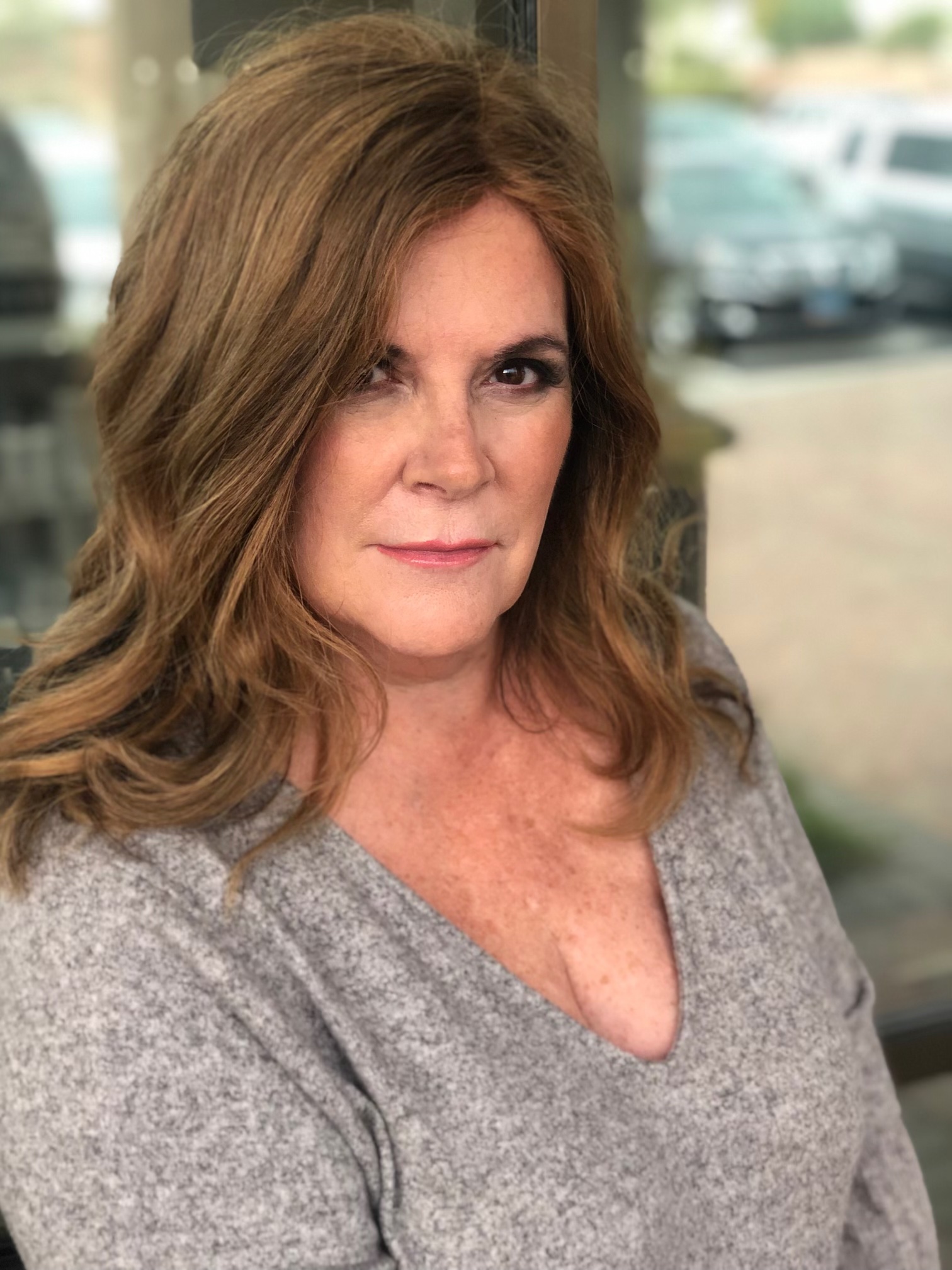
Maria Denison started writing her passion project, The Reflex Series, in 2014. After multiple starts and stops, she completed the five book series in 2022. Revamping the front cover, and placing the first original two books together, she published The Reflex Consolidated Version in 2025. The Reaction, Book 2, will be out in June 2026. Book 3, The Recovery, will hopefully be out by October 2026.
The Reflex Series is a genre braiding story of mystery, suspense, romance and the supernatural. There's even some spice.
Maria hails from New England, lived in the MidWest and now resides on the West coast. She is concurrently working on a stand alone romance novel that will stay in its own lane unlike her series.