 Spotify
  Apple Podcasts
  Amazon Music
  iHeartRadio
  Podchaser
  YouTube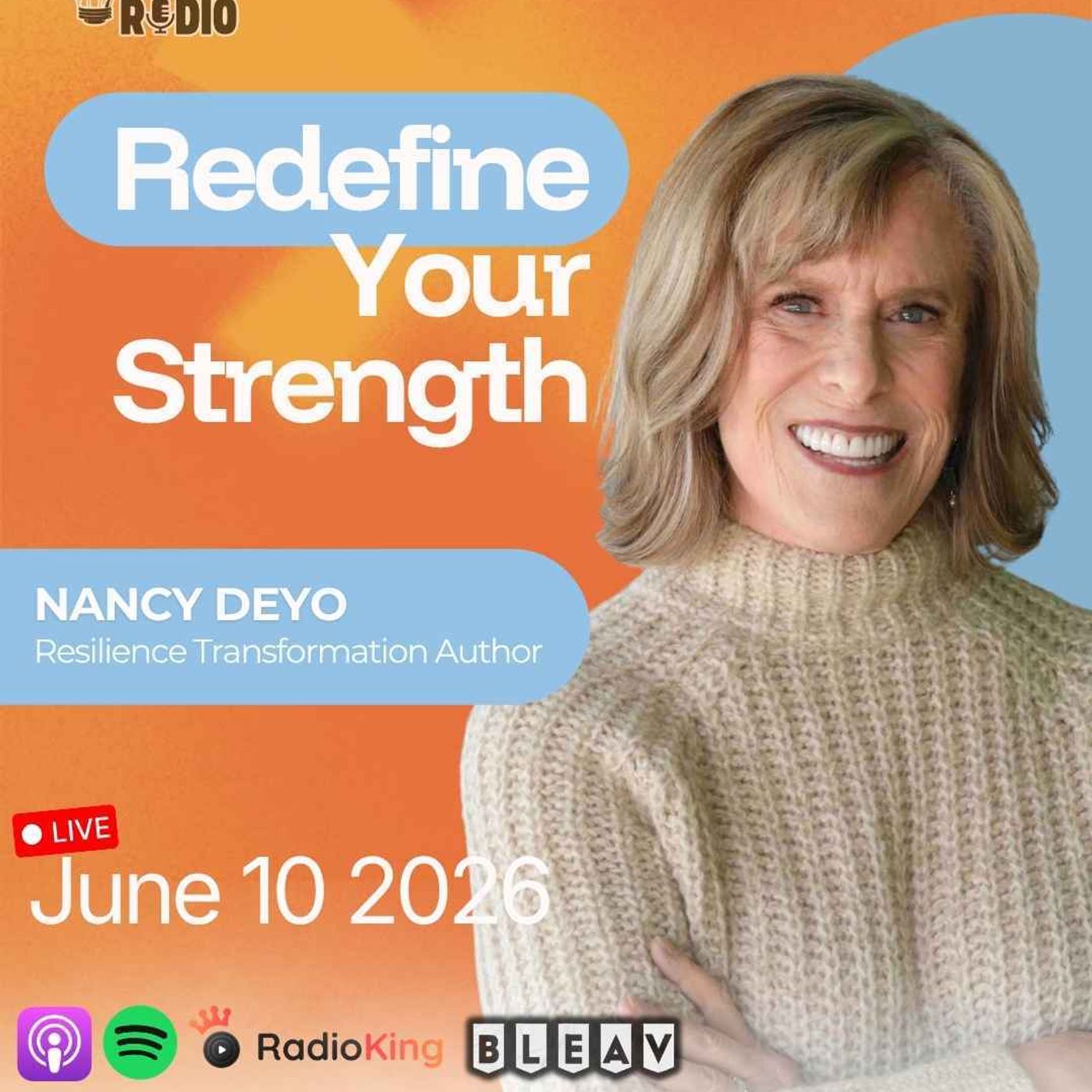
Nancy Deyo on Finding Strength Through Pain | 1,535
Nancy Deyo spent years leading companies, solving complex problems, and operating at the highest levels of business. Then one injury changed everything.
After a spinal injury on Mount Kilimanjaro, the former Silicon Valley CEO found herself facing a battle no amount of intelligence, determination, or professional success could solve. Chronic pain dismantled the life she had built, forcing her to confront not only physical suffering, but the loss of identity that comes when the person you've always been can no longer function the same way.
For fifteen years, Nancy navigated chronic illness, opioid dependence, failed treatments, and the uncertainty that so many pain sufferers know all too well. She searched everywhere for answers, from leading medical experts to unconventional healing modalities, only to discover that the greatest transformation would come not from finding a cure, but from redefining what it meant to live.
Instead of waiting for life to return to normal, she built a new one.
Today, Nancy writes and speaks about resilience, chronic pain, and the profound challenge of rebuilding identity when life refuses to follow the script. Her story is not about overcoming adversity through sheer force of will. It is about learning how to create meaning, purpose, and possibility in the midst of it.
Her forthcoming memoir, Perilous Ascent, explores that journey with honesty, courage, and hard earned wisdom.
━━━━━━━━━━━━━━━━━━━━━━━
Enjoying the show? Support the conversation!
👉 Today’s guest: www.nancydeyo.com
🎬 Need standout video, podcast, or branding content?
🌐 www.positivetalkproductions.com
📡 Listen on BLEAV:https://bleav.com/shows/positive-talk-radio/
🍎 Apple Podcast:https://podcasts.apple.com/ph/podcast/positive-talk-radio/id1592839447
👍 Like • 💬 Comment • 🔔 Subscribe
#PositiveTalkRadio #Podcast #Inspiration
━━━━━━━━━━━━━━━━━━━━━━━


Nancy Deyo spent years leading companies, solving complex problems, and operating at the highest levels of business. Then one injury changed everything.
After a spinal injury on Mount Kilimanjaro, the former Silicon Valley CEO found herself facing a battle no amount of intelligence, determination, or professional success could solve. Chronic pain dismantled the life she had built, forcing her to confront not only physical suffering, but the loss of identity that comes when the person you've always been can no longer function the same way.
For fifteen years, Nancy navigated chronic illness, opioid dependence, failed treatments, and the uncertainty that so many pain sufferers know all too well. She searched everywhere for answers, from leading medical experts to unconventional healing modalities, only to discover that the greatest transformation would come not from finding a cure, but from redefining what it meant to live.
Instead of waiting for life to return to normal, she built a new one.
Today, Nancy writes and speaks about resilience, chronic pain, and the profound challenge of rebuilding identity when life refuses to follow the script. Her story is not about overcoming adversity through sheer force of will. It is about learning how to create meaning, purpose, and possibility in the midst of it.
Her forthcoming memoir, Perilous Ascent, explores that journey with honesty, courage, and hard earned wisdom.
Today’s guest: www.nancydeyo.com
Hosted by Simplecast, an AdsWizz company. See pcm.adswizz.com for information about our collection and use of personal data for advertising.
Leidos (0:00): Did you hear that? Out here, the most dangerous enemies are never heard. Our sensors detect the faintest signals below the waves, stopping enemies long before they can surface. Leidos. Outsmart.
Leidos (0:13): Outdo.
Kia (0:15): Summer's a gift, the gift of days that last a little longer, a brighter state of mind. So gift yourself a new Kia at the Kia summer sticker sales event, especially tagged vehicles including the Sorento, Sportage, Carnival,
Unknown Speaker (0:28): as well
Kia (0:29): as the Niro Hybrid, all backed by a ten year 100,000 mile limited powertrain warranty. So the gift of summer can keep on giving for summers to come. Kia, movement that inspires. Call 803334
Unknown Speaker (0:41): for details. Always drive safely.
Unknown Speaker (0:42): Event N7626. See dealer for warranty details.
Unknown Speaker (0:45): 121234. Give me a break. Give me a break. Break me off a piece of that KitKat bar. Give me a break.
Unknown Speaker (0:55): Give me a break. Break me off a piece of that Kit Kat bar. The chocolate crispy taste gonna make your day. And wherever you go, you hear the people say, give me a break. Give me a break.
Unknown Speaker (1:08): Break me off a piece of that Kit Kat bar. Have a break. Have a Kit Kat.
Kevin McDonald (1:15): And welcome to Positive Talk Radio, everybody. My name is Kevin McDonald. Rochelle is right there, and, boy, have we got a story to tell you today. We've got a young lady who climbed Mount Kilimanjaro and then had an accident, and she has made it back. She is now a brand new type of resilience.
Kevin McDonald (1:42): Wouldn't you say, Rochelle?
Rochelle (1:43): Oh, a 100%. Nancy Deyo people is redefining resilience in itself, and she's gonna be here to share exactly why and what that means. So stay with us for the full hour because I promise it's gonna go by so quickly.
Unknown Speaker (2:00): And we'll be right back after this. There's a moment in every life when you decide to rise.
Unknown Speaker (2:07): To stand taller than your fear.
Unknown Speaker (2:09): To speak louder than your doubt.
Unknown Speaker (2:11): To chase the vision that sets your soul on fire.
Kevin McDonald (2:15): This is that moment. And here, we walk it together with stories that awaken, voices that inspire And truth that set
Unknown Speaker (2:24): you free.
Unknown Speaker (2:25): This is Positive Talk Radio with Kevin
Unknown Speaker (2:28): And with Brichelle.
Kevin McDonald (2:29): Where hope has a voice. And that voice Is yours. And welcome to the show, everybody. My name is Kevin Berschella's right there, and Nancy's right there too. And I gotta tell you, when we look about the totality of our life, we all have different chapters within them.
Kevin McDonald (2:51): And sometimes they can be going in one direction, and suddenly circumstances change, and they go into a completely different direction. And we're gonna talk about that and the resilience that comes from that, aren't we, Rochelle?
Rochelle (3:09): Oh, yes. And what an honor, of all people on this 8,000,000,000 planet we have surrounded of each other. Nancy Dayo has figured that out herself and now is working to help others do the same. And Nancy, correct me if I'm wrong, but it is so inspiring and so, important for us to hear your lens and your perspective on these things because I'd say that it probably matters the most. So welcome here, and thank you so much for joining us.
Unknown Speaker (3:39): Thanks, Michelle. Thanks, Kevin. Great to be here.
Unknown Speaker (3:42): Of course.
Kevin McDonald (3:43): We have been looking forward to talking with you for a while because I don't wanna paint a picture for it. Well, actually, why don't you tell us your story and then we'll fill in the gaps as we go along. So tell us about you and your mountain climbing days and all of that.
Nancy Deyo (4:03): Before I set out to climb Mount Kilimanjaro, I was a very high achieving, high striving, aggressive Silicon Valley CEO. And my life was focused around productivity and metrics and pushing hard and jumping higher and outworking, outrunning everybody. That's how I operated. I was running a company dedicated to girls. I was very fired up.
Nancy Deyo (4:29): I was a woman in a world filled with men, and I was thriving on it until the business started to run out of money, as many startups do. The truth is that nine out of 10 startups fail, but you talk about the ones that succeed. And when mine ran out of money, I turned to an arch rival and I sold them the business. And that was really painful and something I considered to be a bit of a failure, to be honest, and quite palpable. And I had to do something to redeem myself.
Nancy Deyo (5:02): So I decided I was an athlete and I was gonna go and climb the tallest mountain in Africa, which is Mount Kilimanjaro at 19,000 some feet. That was gonna be my redemption. I was gonna prove I could succeed at something. But really I had no business going up that mountain. I was training weeks before and I injured my back.
Nancy Deyo (5:26): But as the athlete that I was, I shoved it down, I compartmentalized it, and I thought I gotta do this, need this win. So I started to climb the mountain anyway. And to tell you the story quickly, on the first day I had to relinquish my pack because I couldn't stand the weight of it on my spine. On the second day, I was having trouble sitting at meals. On the third day, the team fashioned me a back brace out of duct tape wrapped around my body and an inflatable pillow to hold me up.
Nancy Deyo (6:00): And by the sixth day, I knew that I was in trouble. And I remember saying to my husband, tomorrow's the hardest day, either I'm going to get really badly injured or I'm going to injure somebody on the team. You go up, it matters to you. He was also a Silicon Valley CEO. I'm going to go down, I'll start to descend with two porters, which I did.
Nancy Deyo (6:23): And at 16,000 feet, I collapsed. I was carried to a tiny orange and gray tent where I woke up at midnight unable to use my legs. And I thought, I'm gonna shift and try to wake them up. And I felt like somebody had driven a steel rod through my spine. And I had two thoughts in that moment.
Nancy Deyo (6:43): One is, I might be dying. I might just be bleeding out right now and I'm gonna end up with my name on a rock, like so many climbers that sadly don't make it down the mountains that they try to ascend. But the second thing I thought to myself a little more logically was I have based my entire life around pushing harder and pushing through, and this is not working for me. Something's wrong. You would think that I would have learned the lesson right there in that crisis moment on the mountain.
Nancy Deyo (7:19): No. You gotta
Unknown Speaker (7:20): test it a little more.
Nancy Deyo (7:22): It took me fifteen years to realize that resilience was something very different than pushing through.
Kevin McDonald (7:31): Now if you're watching this episode and you look over my what is it? My right shoulder? No. My left my left shoulder over there. That is that is Mount Rainier, which is 14,000 feet high, and Mount Kilimanjaro is another 5,000 feet on top of that.
Kevin McDonald (7:50): That's a big deal.
Nancy Deyo (7:53): Yeah. You know, at 16,000 feet where I had to turn around, you're at half the oxygen that you have at sea level. And not only is it much more difficult to breathe and hike, but it starts to mess with your decision making. I think that had I been a little bit more less oxygen deprived, might've got, I might've started to descend sooner, but I didn't. And I suffered a very serious injury as a result.
Nancy Deyo (8:27): And ultimately I survived that. I mentioned to you that I was carried down the mountain on piggyback by two really strong Tanzanian porters who spoke no English. And I remember just thinking, all I need to do is get to medical care, get fixed, and I'll just be back to my life. It never occurred to me that I was about to enter a journey that I had no control over.
Kevin McDonald (8:53): Right. And you know, Nancy, there are we believe in synchronicity around here. And there are reasons why things happen and because we gain understanding from them. I I last week, I got out of bed kinda, and I had horrible, horrible back, knee, hip pain, and could not walk. And I had that for like three or four days, and magically it's all back together, but I gained an understanding of what it's like when you are so crippled that you you can't even make it to the bathroom on time.
Kevin McDonald (9:40): I couldn't even go from one end of the house to the other to unlock the door so that the fire department could come in and put and cart me away to the emergency room. So I have a lot of empathy for what you went through. I went through it for five days. You went through it for fifteen years. That's amazing.
Nancy Deyo (10:03): I have so much empathy. It almost makes my body hurt to hear you tell that story Kevin because for me the pain was so severe my problem was I could not sit. I couldn't stand the weight of my spine hitting any hard surface or soft surface for that matter. So I was forced to live my days lying down. And that doesn't sound horrible until you realize that it literally means you're really not walking, you're not standing, you're barely up for a meal and you're back down again.
Nancy Deyo (10:42): So it's a very isolating life, not to mention that the only way that I could even survive without panicking from the pain was to take a pile of opioids every day. And that can become, as you know, addictive very, very quickly.
Rochelle (11:01): Oh yeah. One, it causes constipation. What's gotta cause more pain because it's in your pelvic floor. Oh my goodness. Yeah.
Rochelle (11:09): And Nancy, through hearing you talk about that, I'm thinking, wait. But Nancy prepared herself every time. She prepared herself when she did her business, and she prepared herself when she decided to make decisions in life. And she prepared herself when she went up Kilimanjaro even if she knew that she probably shouldn't. Was there a moment that you maybe had this understanding or a different lens on what it was like to prepare for things and thinking that you can only do so much preparation, but what makes you actually ready for something?
Nancy Deyo (11:44): I think that when I was younger, before Kilimanjaro, I used to think that I had the ultimate in control. And you think that if you have discipline and focus and intention and perseverance that you can knock down any goal. And I just never considered that there were things that were completely outside my control until Kilimanjaro and until I found myself stuck in a cycle of chronic pain and opioids. And I think when you suddenly lose control like that, you also lose who you are. You no longer recognize yourself.
Nancy Deyo (12:26): You don't understand the person that you're becoming, and all you wanna do is find a way back to what you used to be in the life that you used to have.
Kevin McDonald (12:37): And as a successful CEO of a successful company that that and you had been able to do whatever it is that you set your mind to at any given time and then to suddenly have your body not be able to respond the way that you were used to it working and you working, that had to be a really deflating experience. How did you get through those early days when you didn't know at what point you were gonna ever be able to walk again?
Unknown Speaker (13:16): Yeah. Talk about a halt.
Nancy Deyo (13:19): I really, really thought that I might have what I called a forever disease. And that is the most terrifying thing that you can imagine. In fact, I think there are even experiments that have been done that have shown if people know when the pain is going to end, they can tolerate more of it. And I had no idea where the ending was because the doctors basically structurally fixed what was wrong with me through three surgeries. And after that, the pain was so severe that there was nothing they could do except to support what became a very questionable drug dependence.
Nancy Deyo (14:05): And there was nothing more that they had for me because physiologically there was nothing structurally wrong with me. But as anybody with chronic pain knows, the signals that are being sent to your brain can just sensitize you to the point where, you know, a gentle touch on a shoulder can feel like pain. And that was the situation that I was in.
Kevin McDonald (14:28): I have a whole new appreciation for what nerve pain can do because I when I was sitting there in the emergency room last week and the doctor said, no. Your your hips are fine, and everything seems to be fine. I said, why do I hurt so much? And they and they said, I don't know. Can't begin to tell you.
Kevin McDonald (14:50): I have no earthly idea. And so you're lost in even though you're getting great medical care, you're still lost because you don't know when it's gonna end. You don't know how bad it's gonna be. And it just continues to infuse your soul with a lot of emptiness and pain, doesn't it?
Nancy Deyo (15:14): Well, it sure does. And I was told in the first six months by doctors in Africa and London and in San Francisco, where I was living at the time, after looking at my films that I was gonna be fine. The first doctor said that I needed rest, bed rest. The second doctor said that I needed PT. The third doctor came into my room.
Nancy Deyo (15:35): It was my hometown doc and I'm laying in the hospital bed after having come through the emergency room, just like you, Kevin. And he said, I have great news for you. Your films look great. I'm gonna send you home with some OxyContin, you're gonna be fine. And granted this was in the very beginning of the opioid crisis, so it's a very different day today and I'm not sure.
Unknown Speaker (15:57): Yeah, they gave him those too, just saying unanswered. I threw my shit about it.
Nancy Deyo (16:04): But I think what happens to you when you know fundamentally something is wrong inside your body and you're being told by people that you trust to care for you that you're okay it creates this big internal disconnect and you stop trusting what you're feeling and that's terrifying because not only is the pain violent but the loss of the self trust takes a very, very long time to rebuild.
Rochelle (16:30): Yeah, well, and you did get back on your feet and you did heal and you're walking now and you achieved that. But before we get into that exactly, Nancy, there there's gotta be a moment that you recognized, obviously. You weren't control of everything I had to happen to, and it was it was quite the thing to maneuver through and learn. But there's this point to where you had to surrender so that you can allow yourself to get better or something along those lines. Does that make sense?
Rochelle (17:05): Like, what got you there? Where did the shift happen where you were like, hold on. I can be resilient, but maybe in a different way.
Kevin McDonald (17:13): But before we go there, I want to play this points to ponder because in your darkest moment, this is what it must have been like. Here's another point to ponder by Positive Talk Radio. A sailor in a storm once battled waves so fierce, they nearly sank his ship. He discovered storms, they don't last forever, but strong sailors do. Life will shake you, test you, and even try to break you.
Kevin McDonald (17:46): But if you hold steady and keep moving forward, the skies will clear. And when they do, you will see how powerful you have become. You are listening to Positive Talk Radio, where stories of hope come alive. And, Nancy, speaking of hope and and what well, Rochelle, repeat that question because it was a good one.
Rochelle (18:09): Yeah. Just how you, changed your perspective on resilience, but also there's gotta be a moment. I I realized this is what I'm trying to ask Nancy is you decided somewhere along the way that you were gonna turn that experience into something that made you stronger, in a moment where you didn't know if you'd even have life. So just really curious on how you achieved that and what you thought of that points to ponder following into that.
Nancy Deyo (18:34): I remember the moment so vividly and it was the rock bottom of the fifteen years. I was about six years in and I had gone to the Mayo Clinic for what was a physical rehab and drug detox program. It's a really aggressive jam packed three week program where the first week they pull away all the drugs. So all the opioids, the benzos, all the anything that you're taking, which is a violent withdrawal as anybody who's tried to get off of drugs knows as well as I do. And then in the second and third week, they forced back physical function.
Nancy Deyo (19:13): So I went from lying on the floor of the conference room to starting to force myself to sit and walk and do activities of daily living. And the word I'm using intentionally is force because no sooner did I get home than I landed in the ER, landed in the hospital with intractable pain and on a higher dose opioids than ever before after having finally gotten clean. And the doctor walked into my room and said, We just can't find anything. I'm so sorry. We have done our very, very best and we'll continue to help you, but we're gonna need to release you.
Nancy Deyo (20:01): And I thought to myself, A, my life is, I know it is over. And the medical system has done what it can, but it's on me now, I'm on my own. And the very habit, the very strategy of pushing so hard, like I just did at the Mayo Clinic for the last three weeks is damaging my body and it's not working. And that was the moment where what I should have learned on Kilimanjaro and I didn't, I finally realized that and I thought, I have to find a different way. And I've got to find a different way to survive and I've got to find a different way to move forward.
Nancy Deyo (20:45): It took what I would call an acceptance of a new normal. And that's a somewhat therapeutic word that my therapist gave to me at the time. And I remember her talking to me about the new normal and I said to her, I hate the new normal. I hate this. It's a horizontal monochromatic lie down life and I just want my life back.
Nancy Deyo (21:13): And I think sometimes as chronic pain patients, sometimes as women, we think we have the choice to fight or surrender, but we have the choice to accept too, and it's really different. And she said that to me. She said, you don't have to give up. You just have to give in a little and stop fighting yourself and she was very wise because it took taking some of that energy that was so focused against battling that pain as an enemy and really trying to figure out, number one, what can I still do? And I realized my brain was in great shape.
Nancy Deyo (21:50): I could still use my brain. I could still learn. I could still speak. I could still write and think. I just couldn't enter the world as a normal person vertically on two legs and sit in meetings and operate the way society expects us to.
Nancy Deyo (22:09): So that was my revelation and it was frightening because sometimes it happens when you're at the your very, very work.
Unknown Speaker (22:18): Yeah.
Kevin McDonald (22:20): And it really does. And I have to ask you that, well and he's been gone now a while. But years ago, I heard about a guy who took his own life because he had a bad hip. Or and I said, well, how bad could it be? And what we if you haven't experienced nerve pain in the way it can present itself, you have no earthly idea how painful it can be.
Kevin McDonald (22:51): And there was a moment in time last week when I was like, oh, come on now. Just take me. I'm done with this. This isn't not not gonna work. Did you, at the early days or sometime during that period, did you have the those feelings like, you know, I got this, pill bottle right here, and there's pills in it.
Unknown Speaker (23:12): And if I miscount a little bit or a lot, I can be all done with this. Did that ever cross your mind?
Rochelle (23:19): And what kept you from doing it?
Unknown Speaker (23:21): Yes.
Nancy Deyo (23:22): I'll tell you a really frightening story that where I really almost hurt myself and couldn't control it. I was maybe a year in and I was in so much pain and as you said Kevin, it's so individual, it's really hard to put language to, doctors put the one to 10 pain scale to it and ask you to give them a number and anybody who's ever had pain hates that scale, myself included. And then you get words like throbbing, burning, painting, itching, exhausting, and you're encouraged to use that language, but it's very difficult to put into words the way that your body can be consumed fiercely with something that you can't control. And I was lying in bed one night and I was not only in excruciating pain, but also tremendously anxious about it which often comes hand in hand with that pain, anxiety, depression, just so much is wrapped up in how you're feeling about it because you think it's not going to end. And the doctor had put me on a very, very strong anti anxiety med called Ativan.
Nancy Deyo (24:39): And a lot of people who have been through surgery have experienced that. Sometimes people experience it at end of life, but I was on it. I was supposed to be on it very briefly and so the doctor made a decision instead of titrating me to pull it out from under me and the pain that was released and the anxiety that was released that was so violent, I remember saying to my husband, I think I'm gonna hurt myself.
Unknown Speaker (25:11): You
Nancy Deyo (25:12): have to help me because I just thought I would take my own life. And I landed in the ER. He knew immediately that that's where I had to go because this was a really uncontrollable situation. Not only was I in excruciating pain, but I was going through this violent sudden withdrawal from this very powerful anti anxiety medication. And the crazy thing about that ER visit was I don't remember anybody from ortho or any doctor in triage talking to me about the pain, I do remember a psych consult, and I remember going home with an anti anxiety med.
Nancy Deyo (25:55): And, you know, there are many stories packed into that little one, but yes, I did consider that I could not survive it. And I have a lot of friends who said they thought I wasn't gonna make it as well, because the low was so low.
Unknown Speaker (26:09): Yeah.
Nancy Deyo (26:10): But the emotions that go with those choices are things that need to be treated as well.
Kevin McDonald (26:18): Yeah. And I love our medical science and I love our practitioners, but they don't always look as in-depth into an individual problem as they should. And then they turn around and say, well, you know what? We can't do anything for you, so we're gonna send you And it's like, send me home to what, pray tell? You know, it makes it it makes it very, very hard and and stuff.
Kevin McDonald (26:49): When and, you know, this is Positive Talk Radio. And the reason that we have Nancy here by the way, Rochelle, her website and and people can go there and follow along is
Rochelle (27:00): Yes. Do not forget people. We've got a website. Nancydeyo.com is where you can go. Last name is d e y o, nancydeyo.com.
Rochelle (27:11): She's got about her, the speaking media. She's got a sub stack as well and ways to contact her. Nancy, I just wanna say what a blessing that you had your husband to go alongside with you and stick through your journey with you and try to help in ways he didn't even have control over. There's many of us who are alone when we're going through that. And my hats off to all the people who stay and all the people who are alone.
Nancy Deyo (27:38): He was and is a saint. He stayed. To say that it changes a marriage would be an understatement. You know, we had been married sixteen years. We were still very deeply and are very deeply in love and very passionate about our relationship and our lives together but suddenly he's a caregiver and I'm his patient and the dynamic has completely changed and you change it as the result of it and so the bond that's forged is deeper but it's different you know it's based on a commitment to stay it's almost a commitment to love each other again because you become completely different people.
Nancy Deyo (28:21): You can't resurrect the people that you used to be. You've had too much shared trauma.
Unknown Speaker (28:26): Well, isn't that in the vows? Life and
Unknown Speaker (28:30): Oh. Oh. You mean
Unknown Speaker (28:32): Don't get me started, Kevin. No. No.
Unknown Speaker (28:36): Mean those vows actually are supposed to mean something? Who knew?
Rochelle (28:40): They can. They can. It just depends on who it is maybe saying. But I'm so glad that you had your husband alongside your side. There there's a lot that that we could say about that because the caregivers are a whole another thing.
Rochelle (28:55): But, Kevin, do you have another point to ponder for us before we get into talking about Nancy's healing journey mentally, physically, spiritually, because I don't know about you people, but I'm looking at her right in front of my face. And she's still here, and she's got the power of all that she needs within her.
Unknown Speaker (29:13): And smile, does she have a radiating smile? And but there was a point in time, and you said it exactly the way we said it, which is you hit rock bottom. Here's another point to ponder by Positive Talk Radio. One man lost everything he thought to find him. His job, his marriage, even his confidence.
Unknown Speaker (29:39): At rock bottom, he realized the one thing no one could ever take was his will to rise again. Sometimes life has to break us open so we can discover the strength he never knew was inside. Remember, your lowest point is not the end. It can become the very foundation of your greatest comeback. And you are listening to Positive Talk Radio where stories of hope come alive.
Kevin McDonald (30:07): And today, we're talking with Nancy Dale, and I have to tell you, she spent fifteen years going from being climbing a large mountain in and ending up being carried by her Sherpa's back on their back because she couldn't get down, and then followed by fifteen years of not being able to to live life normally, return to work. And today, she writes about goods and speaks about chronic pain, resilience, a new kind of resilience because you have become a shining star of what resilience actually looks like and what I term authentic grit.
Rochelle (30:56): Yes. So tell us about it, Nancy, because right as you open your website, you see redefining resilience. Where did that come from?
Nancy Deyo (31:06): Yes. Well, after that very dark moment after the Mayo Clinic, I set out to reenter the world because I realized that what I was experiencing in my horizontal life, in the pain that I lived with every day might be permanent, but I didn't want to be an isolated woman not going out of the house, bedridden, stuck in between the four walls of my home. So I started to think about focusing on what I could do. And as I told you before, I realized I could use my brain, but I had to lie down and I decided I wanted to go back to school because I wanted to learn. I wanted to participate.
Nancy Deyo (32:00): I felt like I had something to offer. And I applied to a graduate program in international development in a nearby university in San Francisco. And I got in and my first thought was I'm going to defer because I'm going to just hang on because maybe next year I'll be able to sit. But I realized quickly, this is probably my life. So I need to get to it and I'm not ready, but I'm gonna do it anyway.
Nancy Deyo (32:30): So the conclusion I drew was that I could go to grad school and I had to do it lying down. And my husband and I came up with this idea of a portable army cot that I could drag in a little basket behind me on wheels into a classroom and set it up in about a minute with an inflatable mattress and lie down in the middle of a seminar circle, if you can imagine that, and participate in class. And I still remember the first day of orientation we were introducing ourselves and by the way I was 50 at the time and twice the age of the students in the class to begin with, not to mention that I was horizontal. And when it came to be my turn I was just petrified and I remember propping myself up on my elbow to try to raise my head to the level of where they were sitting at the tables and I said, I'm Nancy, and I sustained a very serious spine injury on Mount Kilimanjaro, and the way that you see me here lying down is the way you'll see me in class, but I want you to know that I am good with it, and you can be too.
Nancy Deyo (33:48): Whether I felt that or not truly, I needed to say that out loud to get everybody comfortable to diffuse the situation, to get my foot firmly on the ground so that I could start to participate. And I did, and I have to say if I could just share one more quick story about that grad school period. About six months in, I was in a peace and conflict class, and we were talking about refugee identity, and the professor said, I want you to take a moment and think about who you are and who you're not. And all the kids were just kind of muttering and having trouble getting started, and I thought, this is easy for me. I was a CEO, I was a wife, I was an athlete, I was all these things.
Nancy Deyo (34:35): And now I'm a chronic pain sufferer who is disabled and forced to live lying down in society is not ready for me. And I barely got that out of my mouth and my classmates started to interrupt me. And they said, That's not true. We don't see you that way. You have a lot to contribute, you just happen to do it lying down.
Nancy Deyo (35:01): And that was this huge moment for me because I realized that the way that I was living life didn't have to define me, and that it was possible to be in the world in a meaningful way with a purpose that felt strong without being quote normal like everybody else. So that was Congratulations. Thank you.
Kevin McDonald (35:24): And that was a that was a really big affirmation for you that that the position that you were suddenly in did not define who you were as a woman, as a wife, as a leader, as an author, as a speaker, doing all the things that you're doing now, which is which is just dramatic. And I gotta ask you, though, because and I'm really hopeful that the the answer to this is, yes. They did. And that is when you traveled in an airplane and you had to lay down and you you were three seats across, did they charge you for one seat or did they charge you for three?
Nancy Deyo (36:06): Three, of course, it's all about profit for the airline. I have to tell you that I took a lot of hell for traveling that way, but that was my re entry into travel and work. And there were more people than I can count on the fingers of my hands and toes that tried to get that aisle seat from me when my head was in the seat. And I think some of the flight attendants commented a few times about why I was sprawled out across the three seats, and it took some guts to tell them what was what and explain to them why I was traveling in this way. Because again, I just don't think the world, you know, we're all individual, we all have different challenges, but I just don't think at the time the world was ready for somebody that couldn't sit.
Unknown Speaker (36:58): Yeah. And that's that's huge.
Unknown Speaker (37:00): Nancy, you just painted
Rochelle (37:01): because just because you see somebody and you think you can come up with something in your mind to make sense doesn't mean it's the truth.
Kevin McDonald (37:09): Well and and you just painted a picture for me that I find almost horrifying, and that is that you're three seats across and your head is in the aisle seat, and some two hundred and seventy five pound dude starts to put his big fat butt in your face. I'm sure that never happened.
Unknown Speaker (37:30): Getting hit in the head with a suitcase? Oh, I certainly
Nancy Deyo (37:33): did by somebody who said, Hey, I gotta do some work here. You don't mind taking the window, do you? So, yeah, that happened. I certainly, I did mind.
Kevin McDonald (37:46): Well, of course, you did. And and rightfully so. You paid for and I if oh, the humanity if the airline would have just said, well, to special needs people we take care of here. And we don't need to talk about the airline because it's they probably would all do the same thing. But but but, Nancy, DeVoe, you you are something special.
Unknown Speaker (38:13): And now you are speaking and you've got a book. Dare I say, you've got a book. She Rochelle, she's got a book that's coming out.
Unknown Speaker (38:21): Nancy, tell us about it.
Nancy Deyo (38:25): I wrote a memoir last year, it's called Perilous Ascent. And I wrote it for a number of reasons. For one, I really wanted to make some sense out of the 15 and the way that I had emerged in the different person that I had become. And so I did it for myself first. And then I thought there are so many survival stories that portray survival simply a romantic triumph, but it is messy and humbling and ugly.
Nancy Deyo (38:58): And yeah, I was one of the really fortunate ones who made it to the other side, but I think we need to be able to tell the truth so that people who are out there can feel seen and heard and they can understand themselves in my pages and in my words. And so that was why I wrote the book and as I worked to bring it in the world, I thought to myself, my experiences are uniquely mine. I have something important that I hope will help people think about how to be resilient, think about who they have become, think about how to redefine something that might've run their life into the wall. So I need to start doing it now, which is really why I'm here. That's awesome.
Kevin McDonald (39:47): Well, and through all the things you've been through, not the least of which is pain management that led to opioids that led to opioid opioid opioid. I wish I could speak. Hey. Thank you very much. Addiction and then withdrawal and all of that.
Kevin McDonald (40:05): So that's just an added upon added to stuff that you were already dealing with. And and was there a point in time when you when you said, okay. Enough is enough. I'm going to re you remember a specific moment when you said, alright, screw it. I'm just gonna do the best I can and let's let the chips fall where they may.
Nancy Deyo (40:32): I think the first moment was the moment I described in the hospital when I realized I was on my own, but I think the second moment was when I decided to go to grad school anyway, even though I couldn't sit through class, because it was saying I have a, I'm gonna claim my seat here. And I don't say that lightly, but I'm gonna claim my place in this classroom in the world, even though I'm doing it in a differently abled way than most people are doing it? Well,
Unknown Speaker (41:05): go ahead, Kevin.
Unknown Speaker (41:06): No, go ahead. Go ahead.
Rochelle (41:07): I was just thinking, Nancy, we all have moments of rock bottom. We all start to kinda remember these moments where we move into something me and Kevin call the sunrise. And I just don't feel like it's not proper that we follow it with that because I don't know about you, Nancy, but I'm looking at you and you're sitting right in front of me. And I've gotta know how the hell you achieved that after you laying down on an airline for heaven's sake. So let's play this for you.
Rochelle (41:34): I want you to take a look at it and then share with us how you found the sunrise in yourself.
Kevin McDonald (41:39): Here's another point to ponder by Positive Talk Radio. After the longest night, the sun rose again. It painted the sky with colors no one had seen before. That's how life works. Darkness never lasts forever.
Kevin McDonald (41:55): No matter how long the night feels, your sunrise will come. Hold on. Light always finds its way back. You're listening to Positive Talk Radio, where stories of hope live.
Unknown Speaker (42:10): I love how
Unknown Speaker (42:11): you think of that.
Nancy Deyo (42:13): You know, I remember this moment as I was reentering the world, going back to grad school, flying on planes, starting to work again. There's a trail in Marin County in Northern California about half an hour outside of San Francisco that is about an hour long and it leads to a beautiful beach on the Pacific Ocean. And my husband and I probably walked it, tried to walk it a 100 times, you know, during my recovery, and sometimes I would be able to do a minute and I would have to go back to the car and lie down on the way home, and sometimes I would make it past the pavement to some gravel. And I still remember the day when I got onto the gravel and rounded a corner and saw the beautiful Pacific crashing against the beach in front of me. And I said to my husband, Chris, we're gonna keep going.
Nancy Deyo (43:10): And I know it's a little bit of that pushing through coming back, but I need to have that experience, okay and I can do it and I still remember the huge bear hug when we hit the beach. No. And I just thought that was for me that was the sunrise. It was just so many things culminating in that moment that made me realize that I was living a life that I was supposed to live again.
Unknown Speaker (43:35): That's And
Kevin McDonald (43:36): Nancy, this is the most important question I'm gonna ask you today. Which one of you started crying first?
Unknown Speaker (43:45): Me, of course. Yeah. He's not a crier. Not a crier. Meter, control, all that good stuff.
Unknown Speaker (43:54): Did you have this little bit in you that was like, oh my gosh. I did let's just run back to the car because I made it here.
Nancy Deyo (44:01): I think for me at that moment, because I wasn't really strong yet, it was a little bit more of a plot, but inside my brain, I was rejoicing.
Rochelle (44:10): Awesome. I love that. I love that story so much because it fell back to maybe even rehealing you going to Kilimanjaro in the first place and then having to try and try and try and try and try. It wasn't just a one time shot. It was something that you over time achieved.
Rochelle (44:28): And the beauty of the delayed gratification, you of all people would know.
Nancy Deyo (44:34): Well, I'll share something with you both, which is that my husband and I are going back to Tanzania for the first time since Kilimanjaro, since I was carried off the mountain. And everybody asked me, are you going to climb Kilimanjaro this time? Are you going to do it again? And I thought to myself, no.
Unknown Speaker (44:54): I don't have anything I to prove
Nancy Deyo (44:56): don't need to. And it felt so good to realize that I do not need to do that. And I don't want to do it But that I'm fine with the way that that ended and that I'm back in a different way and that this time I have nothing to prove.
Unknown Speaker (45:15): That's beautiful. Yes. Yay. I don't know if you can hear it. I can.
Rochelle (45:21): But I know that Kevin's playing the applause for you because you're kinda leaving me breathless and a loss for words, Nancy. Seriously, just congratulations, and thank you for being who you are. Nancy didn't kept you going.
Kevin McDonald (45:37): Could you hear that? Or maybe you can hear this better. Better. It is it is so heartwarming, and it is so cool for us to be able to talk to you because you and your story will resonate with people all over the globe because not everybody is is perfect. We all have got defects, and sometimes we have injuries that that that cause us to rethink how we're going to make our best way in the world.
Kevin McDonald (46:11): And I can hardly wait for that book to come out because when it does, you have to come back so that we can highlight it for you, because your story has resonance, has impact, and your resilience is amazing. Thank you for all you do.
Unknown Speaker (46:29): Oh, thank you. What a pleasure.
Unknown Speaker (46:32): And Nancy, I've got to ask you, oh my goodness, what is it like to look back now?
Nancy Deyo (46:39): I think that my husband was very worried that it would completely trash me to excavate all those memories because he's a look forward, don't look back kind of guy. But for me, looking back on it, I feel nothing but as I I actually feel a sense of achievement for coming out of it more flexible, more agile, more adaptable, fundamentally stronger, though with a very, very different life than I wanted and that I imagined.
Rochelle (47:17): That's the key thing. You somehow end up feeling stronger.
Kevin McDonald (47:21): And I gotta tell you, one of the one of the talks that you give, and I I love it to talk about this, start listening more.
Nancy Deyo (47:35): I learned to listen to my body and trust it in a very deep way, and it's something that I do every day, it's the first thing I do when I wake up in the morning. I think we have to pay attention because our bodies are gonna tell us the truth. You know better than even your doctor does what your body's capable of. And I think that the combination of listening and mindset are key in helping you move forward within the right limits, you know, setting the right guardrails so that you don't go outside the bounds of what you're capable of. So that's those are the boundaries that I use today to guide my life.
Unknown Speaker (48:19): Very good.
Kevin McDonald (48:20): And you're still a young woman. What do you see next?
Nancy Deyo (48:23): That's flattering. We're serious. I plan to keep writing and speaking and I want to take this message out as far as I can possibly expand it. We'd love
Unknown Speaker (48:41): to help you do so.
Nancy Deyo (48:43): Because there are so many people who are struggling, whether it's pain or grief or loss, or just like a disruption that turns their life upside down. Everybody needs to be able to think about resilience differently.
Rochelle (48:54): So if somebody wants to have you come and speak, finding you on your website at nancydeo.com would be the best?
Nancy Deyo (49:02): Absolutely. There are many ways to contact me on that website. So I would love to hear from people. I love to check-in with the community to see how the message is resonating, what people are looking for, what more they wanna learn about so that I can be a strong advocate and ambassador for people who are struggling.
Unknown Speaker (49:24): Awesome.
Kevin McDonald (49:26): You know, struggling is something that I think in the course of our our life, which hopefully is long and productive. Struggling is something that does happen from time to time. And if we look at it as a challenge to be overcome and to be and to and to be worked through, does that help us make it through some of these challenges that we think rather than have a negative woe is me attitude?
Nancy Deyo (50:01): I think I have realized, Kevin, that the only way to survive is to work your way through it. But I also would advocate that your mindset, letting go of the things you can't control and focusing on the things you can, is key, whether it's what your mind can do, what your body can do, what your voice allows you to do, that will help guide the right path.
Unknown Speaker (50:32): That's true.
Unknown Speaker (50:34): Exact exactly. And and, you know, I'm reminded of people like, you know who Stephen Hawking is?
Unknown Speaker (50:39): Absolutely.
Kevin McDonald (50:41): And he he had Lou Gehrig's disease and that and he could he could not move anything except of his eyes. And then he had a computer and he could he could communicate by moving his gaze from letter to letter and stuff. And those are people like what you went through. Those are the people that we need to lift up as real examples of what's possible, don't you think?
Nancy Deyo (51:08): I think people like him are the heroes.
Unknown Speaker (51:12): Yeah.
Nancy Deyo (51:13): They're the ones that understand what it means to live your best life.
Unknown Speaker (51:17): Yeah. To give it purpose. Like, it doesn't you don't have to wait for that. It's not like you're just gonna someone's gonna walk up to you and say, hey. You need to do this.
Rochelle (51:24): And maybe actually that might happen because that happened to Kevin. So I have to be careful with that. But, Nancy, one thing that you had said is that you, all of a sudden, in in these moments, you recognized how much you were fighting yourself. And I've kinda gone through that recently even in my own world and recognizing people around me and how they, everything in their life and all their relationships is it's this battle between that and this or this person and that person. Do you remember what it was like to start experiencing not having everything being like you're competing with it, but more or less it's like you and the world against that one thing?
Nancy Deyo (52:08): I do remember that because I used to think that my greatest enemy worth fighting was pain. And what I realized is that all those years, it wasn't the enemy, it was information that most of us are trained to ignore to
Unknown Speaker (52:26): Can shut explain that? Pardon me? Can you please explain that?
Nancy Deyo (52:30): Yeah, I mean, I think that if you fight pain, you're starting A) from a negative place and you're not trying to understand that you're not living in the moment, you're just wanting it to end. And if it's treated as information, then maybe you're going to protect yourself a little bit better, not harm yourself, maybe not push as hard maybe do a little bit less which is actually okay in the grand scheme of things despite what our society might think about you know productivity culture.
Unknown Speaker (53:06): Yeah. And what did you ever this is totally different, but did you ever get pulled over when you were with your husband? They just see you laying in the back and they're like, that's not legal? How did you guys maneuver that?
Nancy Deyo (53:17): I spent so many years lying in the back of cars I can't even tell you. In fact it got to the point where I could not even travel in the back of a car I had to do it in the back of an ambulance because that was flatter. So yes we've had our share of experiences with me lying down in cars, but I'm happy to say that I sit up in a seat now. At the most whole I hour. And
Kevin McDonald (53:44): I have to ask you because somebody in our audience is asking me to ask you, how are you doing today?
Nancy Deyo (53:52): I am extraordinarily well. I have aches and pains, but I frame them differently.
Kevin McDonald (54:00): Welcome to being older, that's all I can do.
Nancy Deyo (54:02): Yeah, I think it comes with age and the wisdom. And sometimes I tell myself, well, this is like workout pain. I think about it a little bit differently than I used to, and I certainly don't catastrophize it. So, as you see me, I'm able to sit, getting back out into the world started to strengthen some very, very deconditioned muscles in my body. And it probably took me seven years from going to grad school to getting back to where I am right now.
Nancy Deyo (54:34): And I can say that I am off drugs and thankfully mostly pain free.
Rochelle (54:42): Awesome. You know, Kevin, I don't know if you just caught that, but Nancy had just mentioned, why does this keep happening to me? You've seen this happen so many times. I'm about to say something and then it's completely gone. Never mind.
Rochelle (54:56): I'll remember.
Kevin McDonald (54:59): It'll it'll come roaring back. It it will. And and by the way, Nancy, I just wanna make sure that if somebody's just tuning in now, when you said that you're now off drugs, that's because you had a severe injury and they were prescribed medications by doctors and stuff. So it was all none of that oh, go ahead. You you found it.
Rochelle (55:19): I found it. It came back. That was such a good point. And what you were saying, Nancy, like, if you really sit down, if a person is, like, thinking about what they can't do and how powerful that is until you decide, no. I can or I will do this thing.
Rochelle (55:35): The way that you allowed your mind to stay so sharp and so alive and so powerful played its part in your physical health and your movement and your daily life. Yeah. Don't know if there's anything more encouraging than, hey, focus on your mindset people. This is why we talk about this so much.
Nancy Deyo (55:57): Yeah. Mindset's really key. I mean, it's funny. If you ask me what the silver bullet was, would tell you there isn't one, but you have to do all the things. You have to move, you have to sleep well, you have to eat right, you have to have the right mindset, you've got to deal with mental health issues, you have to do physical therapy, you have to train.
Unknown Speaker (56:19): It's hard. But that's
Nancy Deyo (56:21): how we're wired. You have to do everything you can to live as well as you can. And if I didn't have the mindset as the key lever, I wouldn't be where I am.
Kevin McDonald (56:33): And by the way, I wanna also mention that you have a Substack, and you can go to our Substack page, which is what it means to live inside a pain and still move forward. You share twice a month, and you share a piece of your story from inside chronic pain and what it looks like from there to realize pushing through is does more harm than good sometimes. And and resilience beyond pushing through life inside pain. So go to her Substack page. If they wanna get that, they can go to your website to get that.
Kevin McDonald (57:05): Right?
Unknown Speaker (57:05): Absolutely. Absolutely. Or just go to nancydeo.substack.com.
Rochelle (57:10): Perfect. And nancydeo.com is where we are finding all of this information. Nancy, is there any other ways, shapes, and forms people can find you and your work online and reach out? And then also, I'd love for you to just share a little message you'd like to leave us with to think about.
Nancy Deyo (57:28): Thank you, Rochelle. I can also be found on social media. So I'm on LinkedIn and on Instagram and Facebook. And of course, Substack is the major place where I'm writing. I guess if I left people with anything, I would say you are so much more than the single role you think you play that is your priority in life.
Nancy Deyo (57:52): For me, that was being a CEO. And when you let go of that and understand that you are so much more than that, you are a wife and a sister and a community member and a daughter and a speaker and a writer, I think you can put your mind to most anything and get through the toughest times in life when we are more than the performances that we give out in the world. So I hope people will take that to heart as we try to be our most true and honest selves.
Kevin McDonald (58:32): And Brichelle has a saying that she says from time to time, and I would love for her to repeat it because and it starts with, if you believe you
Rochelle (58:42): Can, you're right. And if you believe otherwise, you're still right. It's up to you.
Unknown Speaker (58:49): I love that.
Rochelle (58:50): Yes. And one other thing, Nancy, I wanted to share with you, haven't said in a while that I think you'll understand monumentally, is there was a point in time that I had been going through miscarriages in a car accident and got my appendix taken out and my body was angry. I was having pains that didn't make sense to me to wrap my mind around or find words for as you mentioned, because I was so young and I just thought it was so wrong and I fought against it and I didn't wanna get help and I was scared if I did find help and what they were gonna say it all meant. Right? But then I realized that I couldn't control everything.
Rochelle (59:26): Right? We talked about that at the beginning. Woo. That's fun. Realizing that is its own thing.
Rochelle (59:30): But also when you surrender, you gain full control. And I say that because all you have control of is yourself. And when you surrender the rest, things just change. And you know what? It does become a little easier.
Rochelle (59:46): So do you understand that?
Kevin McDonald (59:49): Absolutely. Nancy, it's it's really not fair, is it?
Unknown Speaker (59:56): Of course, it's not fair. You know?
Unknown Speaker (59:58): You even said, Kevin, there's no such thing as fair this morning. Yeah.
Unknown Speaker (1:00:02): Yeah. But she's only 27, and she's so dang smart. It's just not fair.
Rochelle (1:00:06): I learn from people like you guys every day, and there's no bigger blessing. Nancy, I'm guessing that you wake up and you go to bed now with this one really important thing we call gratitude.
Nancy Deyo (1:00:20): I was asked about gratitude for the fifteen years that I was down and I would say gratitude. I don't even know what that is, but I have found a way to embrace it now. Because if you said, do you want a do over, would you do the same thing again because of the person you've become? I would say, absolutely not. There's no way I want to go through that hell again.
Nancy Deyo (1:00:45): But I am grateful for who I am in this moment and for the people that stood by me in particular and advocated for me. And I'm grateful for them too. Yes, of course.
Kevin McDonald (1:00:58): And Nancy, will tell you one thing and I know this is absolutely true, is that this show that we've done with you and your presence here and your website and everything that you're about is going to fundamentally impact someone and change their life. How does that make you feel?
Unknown Speaker (1:01:20): If that has an inkling of truth in it, then I've done my job.
Rochelle (1:01:25): And I forgot to mention, it creates a domino effect too. Not just one I
Unknown Speaker (1:01:31): love that thought.
Kevin McDonald (1:01:32): And not only is that a possibility, that is absolutely fact. Yes. Because you have done and you continue to do some great stuff, and we we really applaud you. And and thank you for having the courage to do this. It takes a little bit of courage to do dwell.
Kevin McDonald (1:01:52): It takes a lot of courage to step out there like you have.
Nancy Deyo (1:01:55): It is a conscious decision to put your life out there, but there's too much good that can come from it for other people to not do it.
Unknown Speaker (1:02:10): You so Well said. We absolutely adore you
Rochelle (1:02:14): in every way. Thank you, Kevin. Oh, man, if you didn't create this, I'd be mad and I wouldn't even know why. And thank you, Nancy, for coming. We cannot wait to see you again.
Rochelle (1:02:23): We'd love to have you back on the show and check-in with you in the future. Until then, please everybody go and visit Nancy Deyo dot com. Also, know, share it with people you love and admire, to give them a little bit of a boost if they could use it as well. And we'll see you again shortly. Thank you.
Kevin McDonald (1:02:40): Thank you for being part of Positive Talk with Kevin McDonnell, where stories inspire and voices remind us of what truly matters. May today's conversation give you hope, courage, and a reason to keep moving forward. And just remember, till next time, be kind to one another because each other's all we've got. Oh, Nancy, how did we do?
Unknown Speaker (1:03:09): You're both so awesome. That was so inspiring, and I just it was so comfortable. I just love talking to you.
Unknown Speaker (1:03:17): Good. Thank you so much.
Kevin McDonald (1:03:19): You did so much. You're doing so much. Thank you for everything that you're doing.
Unknown Speaker (1:03:24): Pleasure.
Rochelle (1:03:24): I I have to ask you just as personally here. How long are you able to actually go without laying down now?
Unknown Speaker (1:03:32): All day. I'm really fine. Really? Yeah. It's a miracle.
Nancy Deyo (1:03:36): I mean, it's not a miracle. I worked for every moment of it, but it feels like it.
Rochelle (1:03:42): Damn. Congratulations to the end of the earth and beyond. And we'll send you everything in the next week, the real, the show, the totality of it all, as well as another link to come back whenever you want.
Nancy Deyo (1:03:52): Oh, that's so great. I can't wait to promote it, and I will promote And it congrats on all of the reach and visibility that you're attaining. That's really, really fantastic.
Unknown Speaker (1:04:05): Thank you. Yeah. Thank you.
Kevin McDonald (1:04:07): Well, like yours need to be told and they need to be told wide and far.
Unknown Speaker (1:04:13): Well, thank you for that. Yeah. So Thank
Unknown Speaker (1:04:15): you for that. All the best. I I look forward to seeing you next time, which means that the book will be a reality. So
Unknown Speaker (1:04:22): Yes. Schedule around then. Let us know if you need anything, and we'll see you soon.
Unknown Speaker (1:04:26): Okay. Thank you, Nancy.
Unknown Speaker (1:04:28): Bye. Bye.
Leidos (1:04:33): The world keeps getting smarter, so do our enemies. We sharpen our edge to move faster, see further every day because the stakes could not be higher. Leidos, outsmart, outdo.
Kia (1:04:48): Summer's a gift, the gift of days that last a little longer, a brighter state of mind. So gift yourself a new Kia at the Kia summer sticker sales event, especially tagged vehicles including the Sorento, Sportage, Carnival, as well as the Niro Hybrid, all backed by a ten year 100,000 mile limited powertrain warranty. So the gift of summer can keep on giving for summers to come. Kia, movement that inspires.
Unknown Speaker (1:05:13): Call 803334 for details. I was just saying
Unknown Speaker (1:05:15): for event and 7626. See dealer for 12 details.
Unknown Speaker (1:05:18): 121234. Give me a break. Give me a break. Break me off a piece of that KitKat bar. Give me a break.
Unknown Speaker (1:05:28): Give me a break. Break me off a piece of that Kit Kat bar. The chocolate crispy taste's gonna make your day. And wherever you go, you hear the people say, give me a break. Give me a break, break me off a piece of that Kit Kat bar.
Unknown Speaker (1:05:45): Have a break, have a Kit Kat.
Speaker 8 (1:05:47): Finding ways to be financially savvy is a smart move, and knowing you could be saving money for the things you really want, like that dream home or new ride, is a great feeling. That's why the State Farm personal price plan can help you save when you choose to bundle home and auto. Bundling, just another way to save with a personal price plan. Head to statefarm.com to get a quote. Prices are based on rating plans that vary by state.
Speaker 8 (1:06:10): Coverage options are selected by the customer. Availability, amount of discounts and savings, and eligibility vary by state.
Speaker 9 (1:06:16): There's only one road into Key West, but you won't believe where it can take you. Travel back in time to a city rich with history. Discover amazing artists and musicians. Taste seafood fresh off the boat. Or just kick back and soak up the island vibe.
Speaker 9 (1:06:36): For more about Key West and the latest safety protocols, visit flakeys.com. Key West, close to perfect, far from normal.
Author, speaker
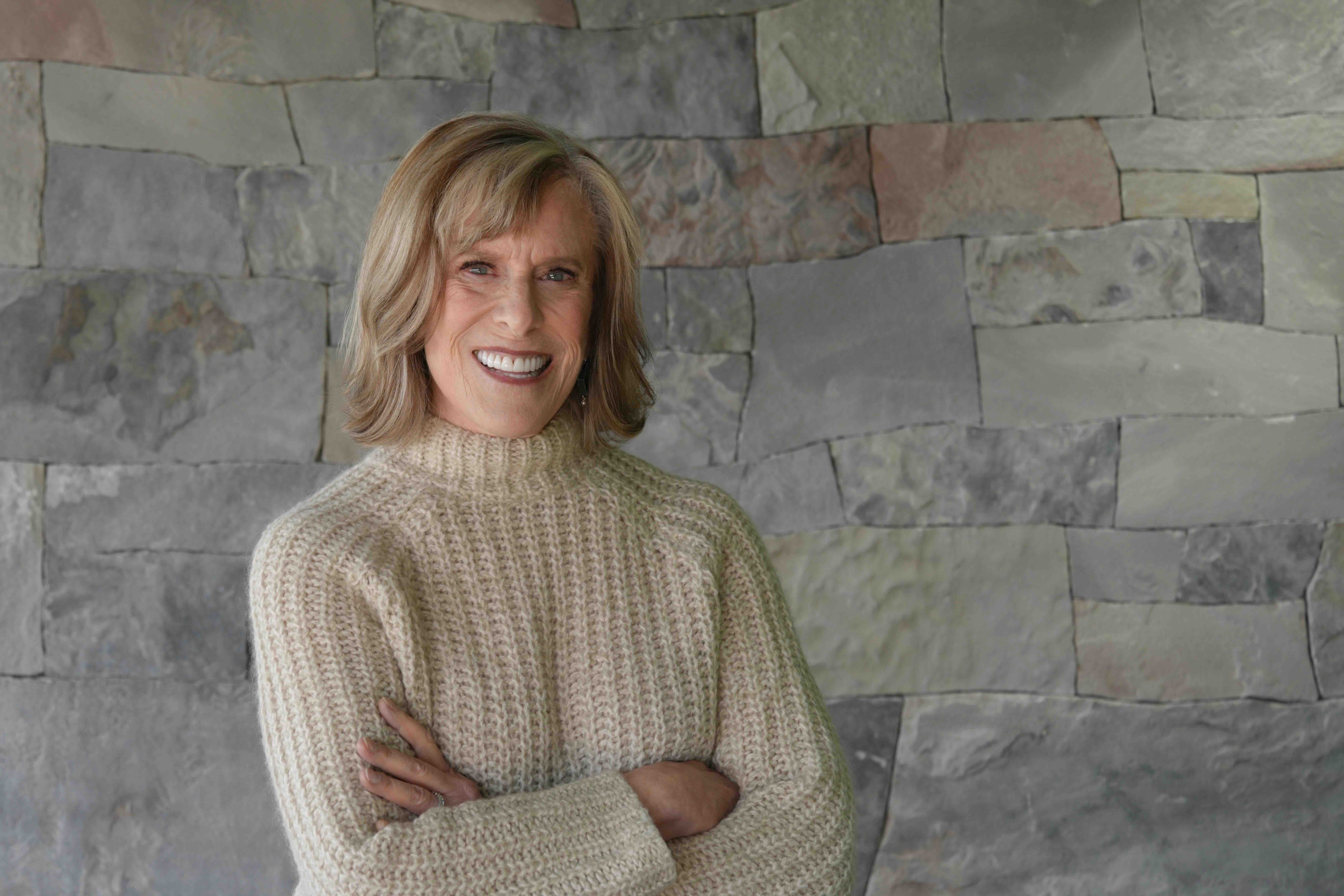
Nancy Deyo is a former Silicon Valley CEO and Stanford University Distinguished Careers Institute Fellow whose career and identity were upended by chronic pain and disability. After a spinal injury on Mount Kilimanjaro, she spent fifteen years navigating chronic illness, opioid dependence, medical uncertainty, and identity collapse.
Once accustomed to a life of constant motion—leading a technology company and traveling the world—pain forced Nancy to live lying down, as the strategies that had defined her no longer worked. When medicine offered no clear answers, she explored everything from cutting-edge treatments to energy healers and shamans.
The turning point was not a cure, but a shift: learning to rebuild her life within the constraints of chronic pain. She returned to the world on new terms—attending graduate school lying on an army cot and eventually resuming travel and work the same way.
Today, Nancy writes and speaks about chronic pain, identity, and resilience. Her forthcoming memoir is Perilous Ascent.