 Spotify
  Apple Podcasts
  Amazon Music
  iHeartRadio
  Podchaser
  YouTube
William J. Allen Jr on Second Chances That Change Lives | 1,532
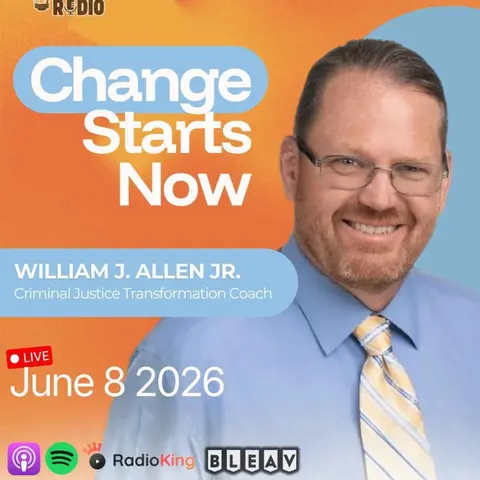
William J. Allen Jr. has dedicated his life to helping people write a new chapter, no matter how difficult their previous chapters may have been.
A U.S. Army and Air Force veteran and founder of New Chapter Life Coaching, William brings more than three decades of frontline experience within the criminal justice system to a mission that extends far beyond corrections. His work is centered on helping justice involved individuals break free from destructive patterns, rebuild their character, and create lives defined by purpose rather than their past.
Over the course of his career with the Michigan Department of Corrections, William served in multiple roles, including Corrections Officer, Prisoner Counselor, Probation Officer, and Internal Affairs Investigator. These experiences gave him a rare perspective on both the challenges people face and the factors that truly lead to lasting change.
Today, through coaching, mentorship, and character development programs, he helps individuals confront criminal thinking, overcome substance abuse, strengthen accountability, and develop the life skills needed for successful reentry and long term success.
William's message is rooted in both experience and hope: your past may explain where you've been, but it does not have to determine where you're going.
━━━━━━━━━━━━━━━━━━━━━━━
Enjoying the show? Support the conversation!
👉 Today’s guest: www.newchapterlifecoachingllc.com
🎬 Need standout video, podcast, or branding content?
🌐 www.positivetalkproductions.com
📡 Listen on BLEAV:https://bleav.com/shows/positive-talk-radio/
🍎 Apple Podcast:https://podcasts.apple.com/ph/podcast/positive-talk-radio/id1592839447
👍 Like • 💬 Comment • 🔔 Subscribe
#PositiveTalkRadio #Podcast #Inspiration
━━━━━━━━━━━━━━━━━━━━━━━


William J. Allen Jr. has dedicated his life to helping people write a new chapter, no matter how difficult their previous chapters may have been.
A U.S. Army and Air Force veteran and founder of New Chapter Life Coaching, William brings more than three decades of frontline experience within the criminal justice system to a mission that extends far beyond corrections. His work is centered on helping justice involved individuals break free from destructive patterns, rebuild their character, and create lives defined by purpose rather than their past.
Over the course of his career with the Michigan Department of Corrections, William served in multiple roles, including Corrections Officer, Prisoner Counselor, Probation Officer, and Internal Affairs Investigator. These experiences gave him a rare perspective on both the challenges people face and the factors that truly lead to lasting change.
Today, through coaching, mentorship, and character development programs, he helps individuals confront criminal thinking, overcome substance abuse, strengthen accountability, and develop the life skills needed for successful reentry and long term success.
William's message is rooted in both experience and hope: your past may explain where you've been, but it does not have to determine where you're going.
Today’s guest: www.newchapterlifecoachingllc.com
Hosted by Simplecast, an AdsWizz company. See pcm.adswizz.com for information about our collection and use of personal data for advertising.
Unknown Speaker (0:00): America's privately owned freight railroads keep the nation on track, investing $23,000,000,000 a year, six times more than the average manufacturer, to deliver safe, reliable service. That's how railroads move 59 tons of goods for every American each year and help their customers grow. Railroads do all this while offering some of the safest, best paying jobs in the country, supporting families, and driving the economy forward. Learn more at aar.org/ America's engine.
Unknown Speaker (0:31): When it comes to what your family eats and drinks, you know your choices matter. You're the expert because you know what fits your life, and getting it right starts with good information. That's why America's beverage companies are sharing more information about our ingredients at goodtoknowfacts.org. No spin, no judgments, just the facts straight from the experts for more than 140 beverage ingredients. Visit goodtoknowfacts.org.
Unknown Speaker (1:00): OnDeck is built to back small businesses like yours. Whether you're buying equipment, expanding your team, or bridging cash flow gaps, OnDeck's loans up to $400,000 make it happen fast. Rated a plus by the Better Business Bureau and earning thousands of five star Trustpilot reviews, OnDeck delivers funding you can count on. Apply in minutes at ondeck.com. Depending on certain loan attributes, your business loan may be issued by OnDeck or Celtic Bank.
Unknown Speaker (1:24): OnDeck does not lend in North Dakota all loans and amounts subject to lender approval.
Kevin McDonald (1:30): And welcome to another episode of Positive Talk Radio. My name is Kevin McDonald. Rochelle is right there, and we've got a great, guest and a great topic to discuss today. Do you know, Rochelle, that in the world today, The United States has more people imprisoned per capita than any other country in the world? Did you know that?
Rochelle (1:57): Oh, unfortunately, I didn't, but I would happen to say that I'm not surprised. But maybe we could have the power in changing that because he, mister William Allen, who's gonna be with us this hour, is gonna talk about what it is like when you're creating a new chapter in your life. And Kevin, you've done that a few times, haven't you?
Kevin McDonald (2:18): I've had to many times. And and and it's not that I've been incarcerated, but I've been imprisoned in jobs I didn't like or marriages I didn't care for and all that kind of stuff. So we are we're moving forward, with that. And why don't we go ahead and get started and bring William Allen in?
Unknown Speaker (2:37): Let's do it. Stay with us, everybody. It's gonna be amazing.
Unknown Speaker (2:40): There is a moment in every life when you decide to rise.
Unknown Speaker (2:45): To stand taller than your fear.
Unknown Speaker (2:47): To speak louder than your doubt.
Unknown Speaker (2:49): To chase the vision that sets your soul on fire.
Unknown Speaker (2:53): This is that moment. And here, we walk it together with stories that awaken, voices that inspire
Unknown Speaker (3:01): And truth that set you free.
Unknown Speaker (3:03): This is Positive Talk Radio with Kevin And with Brichelle. Where hope has a voice.
Unknown Speaker (3:09): And that voice
Unknown Speaker (3:11): Is yours. And welcome to the show, everybody. And I just have to tell the folks, if you're listening in at the moment, you feel free to, comment in. If you wanted to talk to William about something, would you and and have a question, have a thought, or just wanna say, hey, William. I'm your mom.
Kevin McDonald (3:31): Or something like that. I don't know. And, Rochelle, but I'm excited about this episode, and let's give him his website so that people can follow right along with what we're talking about.
Rochelle (3:44): Yes. Good idea, Kevin. The way that you can do that, everybody, is newchapterlifecoachingllc.com because guess what? William's gonna sit and tell us for this beautiful short amount of time that we have here on Earth in this hour how to build a better future with purpose. So thank you so much, William, for coming and having that own drive and purpose in your life.
Rochelle (4:06): I'm guessing that you figured that out in your own way now that you're able to help others. It is such a blessing to have you here finally and sharing your message.
Kevin McDonald (4:15): Well, and I do William, I I do have to say to very the very beginning part that apparently somebody called Michelle thinks she's your wife.
Unknown Speaker (4:25): Hi, Bill. I'm your wife. Okay.
Unknown Speaker (4:30): Yes. You are.
Rochelle (4:30): Thanks for being here, Michelle, and stay with us through the conversation of this show. But William, thank you for being here. How are you doing today, sir?
Unknown Speaker (4:40): I'm doing fine. Thank you.
Unknown Speaker (4:42): Of course.
Unknown Speaker (4:44): And you have a website. Sure.
Unknown Speaker (4:47): I'm sorry?
Unknown Speaker (4:48): Go ahead. I'm sorry. Go ahead.
William Allen (4:53): Just I'm happy to share, and talk to you guys tonight about, second chances and reentry and and providing hope for people, involved with the criminal justice system.
Unknown Speaker (5:03): Very good.
Kevin McDonald (5:04): It is a very important thing because as we're determining now, the criminal justice system is changing a little bit because there are still people that are incarcerated for things like marijuana possession and things like that in some states. And and now it's legal in most of the country and and stuff, which which changes things, but they can't erase the fact that they were incarcerated, and they can't necessarily explain it in-depth that it was done inappropriately by today's standards. So it's great to have someone like you on their behalf that can counsel them and can coach them to get back into society the best way possible. And that's really what your focus is, isn't it?
William Allen (5:51): It is, it is. It's to help people as they reenter society to focus in on the skills needed to kind of break free from the criminal justice system. Help get around or through the barriers that for many are in place. And that's what I worked with my clients is getting through that and understanding, you you get somebody that's been in prison for ten, fifteen years, they come out, they may not be able to navigate technology and applying for a job or housing or education or benefits. And everything now is through our phones.
William Allen (6:32): Well, for ten, fifteen years, they didn't have use of cell phones and they weren't prevalent like they are now. So something is mundane and is routine that we think of, somebody returning to society after being gone, that's a whole new learning process for them. And it's a barrier that can prevent them from gaining meaningful employment or programming. Well,
Unknown Speaker (6:58): William, Go please
Unknown Speaker (6:59): ahead. Sorry, go ahead, Kevin. Yeah.
Unknown Speaker (7:01): No, go ahead.
Rochelle (7:01): Just have to know William, what made you choose this line of work?
William Allen (7:05): So I retired after over thirty years with the Michigan Department of Corrections. I had, I guess, the privilege of working multiple level facilities, maximum security and minimum security. And then after that, while working inside the prison, I took advantage of opportunities to learn, get involved with programming. I became a prison counselor while I was inside. And then I went and transferred to our field operations as a probation officer working in Detroit and then later in Lansing.
William Allen (7:40): And I saw potential. Even the prisoners, whether it was maximum security or trustee minimum security, the vast majority of them want to do what is right. A lot of them just never had been given the tools to know what that means. When you're dealing with addiction, when you're dealing with your own trauma and your own abuse and your own situations and expected to do the right thing but no one's ever shown you what the right thing is, know, we as a society have to understand that that's not gonna happen for most people. And so I saw that working in the prison, talking to the prisoners, talking to some of the great staff that we had working in the prisons.
William Allen (8:31): I had a great mentor, that helped me when I was new. And, you know, I took that. And then when I went into the field, I saw it again. I saw, you know, people wanting to change, just sometimes not necessarily having the tools or the skills necessary to change. And one of the greatest impacts personally and professionally that I had was that a former offender, a former client of mine called me after this individual had been released from supervision And telling me that she was gonna be featured on local TV as an entrepreneur.
William Allen (9:11): That is what you spend thirty years, your career wanting that. And then when I retired, again, I left Michigan and came to Florida. And the idea of hanging out on the beach and just enjoying my retirement lasted about six months. And the desire to want to do something, to give back was still in me. And again, I had a good friend of mine, a former colleague that was a probation officer with me in Michigan who lived down here in Florida, speaking to him and another colleague of mine that's still in Michigan, who was a therapist, kind of just talking about what could I do?
William Allen (10:00): And through those conversations, life coaching because I saw the gaps. I saw where, you know, the state does a good job with providing programming and our staff and our agents do a good job with providing supervision and direction, but there's that gap. There's that gap of programming, treatment and supervision and life skills that are gonna keep somebody out of the criminal justice system. Because we know, you know, what leads to recidivism, lack of employment, lack of education, lack of housing. Those three things are major factors in recidivism.
William Allen (10:42): And again, getting back to my earlier point, if someone's been released from prison after, especially after a long term, they may not have those skills necessary to navigate those. And that's where I've come in and try to bridge that gap.
Unknown Speaker (10:56): Thank you for that.
Kevin McDonald (10:58): Absolutely. Now William, did you ever see the Shawshank Redemption?
Unknown Speaker (11:03): I did.
Kevin McDonald (11:05): Because what you're describing is, exactly what happens to people because and they talk about it in the film that that people become what they call institutionalized. Can you describe what that is for our audience?
William Allen (11:21): It yeah. What that is is it's basically you become so familiar with being incarcerated, being in the institution, following those rules. And, you know, for some, that's actually a safe place, believe it or not, because they know they're gonna get three meals a day. They're gonna have healthcare. You know, their basic needs, they have a place to sleep.
William Allen (11:48): You know, so they become institutionalized because of that. Those needs are met, you know, and we don't think of jails or prisons as being safe places, but for some they truly are. And so the idea of going back into society, finding a job where you're told you're a felon, we're not gonna hire you. Finding housing where you're told again, you're a felon, we don't want you living here. Dealing with the traumas and the demons that you had prior to going to prison, then expand that to what you deal with inside of prisons and jails.
William Allen (12:33): Trying to function in society becomes extremely difficult. And my philosophy is, and to see state and local agencies take this philosophy, is reentry should start at sentencing. Not two, three years down the road, because if we start programming and reentry and second chances while you're serving your time, that gives the offender, the prisoner then may gives them something to do while they're serving their sentence. It gives them meaning, it gives them purpose. And once you give somebody meaning and purpose, the whole world changes.
William Allen (13:21): And and again, I can speak for Michigan. We had great programs in auto tech and trades and stuff like that. But it's getting those employers to hire them once they're released. But preparing that individual following sentencing, and we can even start at pre sentencing, you know, through the defender's office, even through the prosecutor's office. And the judge, working together to find out what were the core factors that led to this person being involved in the criminal justice system.
William Allen (14:02): Was there abuse? Was there neglect? Was there addiction? Was it all they knew? Mom and dad were involved in the criminal justice system, brother, sister.
William Allen (14:11): There were gang members in the family, that's all they knew. So, if that's all you knew, that's all you know, that's all you're going to go toward. So we have to break that cycle and it needs to start as soon as somebody gets involved in the criminal justice system, whether it's an adult or as a juvenile, ideally at the juvenile stage. Then we don't have them in the adult phase and and they don't have that record following them for the rest of their lives.
Unknown Speaker (14:40): Very true.
Kevin McDonald (14:41): And William, I I wanted to ask you because it just, I drove a bus for twelve years and I was amazed at the number of people who could not read. Mhmm. And reading is kind of fundamental. You can't build a resume if you can't read. You and if you don't know what you're doing, are there programs within the system?
Kevin McDonald (15:02): Because I think you're absolutely right. The system should be working to make the inmate better so that they can survive on the outside without going one of the fundamental things is, can they read? Do they do reading assessments or anything like that in in prison?
William Allen (15:20): They do, they'd offer education in prisons. Again, I can speak for Michigan because that's where we're retired from. Though I'm not representing the Michigan Department of Corrections, I am retired from there. But they offered college courses. You could leave prison with a college degree.
William Allen (15:39): So yes, they do offer education, they offer GEDs, they offer trades. They try to prepare them. You know, and I believe most states do, try to prepare the person to live outside of the institution. The problem is, you know, to be quite honest, it's a funding issue. A staffing issue.
William Allen (16:06): It's a motivation issue for the offender in prison because you can't make them, You know, we're not gonna drag them to school to learn to read. You know, so it's all those things that play into it. Now it can be a factor in their release and their parole, but once somebody maxes out, they have to be released. But you know, just because somebody's reluctant doesn't mean we stop trying. And you know, at some point maybe that light will come on.
William Allen (16:42): Maybe there's a reason they are having difficulty reading. They could be dyslexic and embarrassed to say anything, especially in that criminal mentality, that mindset of no one's gonna show, I can't show any weakness because that will be preyed upon. So I'm not gonna go to school because I'm not gonna do my programming because I got this to do, or I got that to do, and I can go back to doing whatever I need to do on the street. So, if we find, I think it's imperative that we find the core reason why someone engages in criminal behavior in the first place. Because I honestly believe no one wants to spend their life, one, in jail or prison, or two, looking over their shoulder for the rest of their lives.
William Allen (17:30): I think the vast majority of people, even those involved in the criminal justice system want to be able to look themselves in the mirror and feel good about themselves and raise their children to where their children can look up to them and they can be a role model to their children. I've seen it and I've heard it time and time again from prisoners, from parolees, from probationers. That they want to change. It's just getting them in that right direction to foster that change.
Kevin McDonald (18:06): And oftentimes society is against that change and that's what you're working to help to eliminate. Because I have to tell you William, and I don't know whether I would get into trouble, but if I was incarcerated and I got out and I'd committed a felony, I wouldn't tell anybody. I wouldn't tell an employer that I committed a felony until they found out.
Unknown Speaker (18:30): That, though.
Unknown Speaker (18:32): But they do find out, don't they?
William Allen (18:34): They do. And that's one of the biggest hurdles. In fact, I was meeting a client earlier this week and we talked about, he's in the job readiness section of my program and we talked about that. And my advice was to be honest. We worked on his resume, we worked on his interviewing skills, and then the question came up about his felony conviction.
William Allen (18:58): And the advice I gave him was be honest because what you don't want to have happen is you start a job, they run a background check or somebody Googles your name because they can do that. And you were convicted of such and such. You went to prison, you did this or jail or whatever. And the employer may say, why don't you tell me this? Because now it's a matter of character and honesty.
William Allen (19:25): And if you can, in most criminal behavior, you can explain. You know, when you're talking to an employer and you say, listen, I was young, I made mistakes. I mean, just think about all the mistakes that we made in our youth that we don't have to explain because we don't have a record of it.
Unknown Speaker (19:49): Boy, and I sure am glad I don't have a record of some of the stuff I did when I was young.
William Allen (19:54): Thank god. You know, and and so, you know, for somebody coming out of jail or out of prison, know, that honesty, that character means a lot to be able to look at an employer and say, I made mistakes, but I will work harder than any employer, any employee that you have to prove myself that I am not that person and that I want to change and I'm committed to change. And I think that speaks volumes. And by that, need employers and other people who are leaders in our communities to take the chance to allow somebody with a felony conviction to have meaningful employment because what that does is it creates safer neighborhoods. It is a crime reduction.
William Allen (20:43): You know, we talk about, you know, safer neighborhoods and reducing crime and doing good jobs, education, good housing in good communities, strong families, all those things reduce crime. And somebody coming out of jail or prison, getting a well paid job where they can pay their bills, especially entry level positions. I'm not talking making $150,000 a year coming out of jail, but having a meaningful job where you can pay your rent and put food on the table. And then you can progress. And those are things that are needed, whether it's in the trades or whether it's a white collar career.
William Allen (21:28): A lot of people that are involved in the criminal justice system have a wealth of knowledge and a wealth of experience and a wealth of skills. Sometimes those skills are used in criminal behavior, but those skills are still there. It's just redirecting those skills to usefulness.
Rochelle (21:47): Yes. And just to make sure everybody knows, please do visit his website, is newchapterlifecoachingllc.com. That's new chapter life coaching llc dot com. If you yourself need this help or know somebody that you love dearly that could use a helping hand, William will be there for them. And Kevin, I don't know if you caught it, but he said something about talking to yourself in the mirror.
Kevin McDonald (22:14): He did. And I think that we should should play that real quick. And this is a point to ponder about that very issue. Here's another point to ponder by Positive Talk Radio. A woman spent years hating the reflection in her mirror.
Kevin McDonald (22:31): One day, she whispered, I am enough. Day by day, her reflection became her friend. Self love begins with the words you tell yourself. Speak gently because you are listening. This is brought to you by Positive Talk Radio where stories of hope come alive.
Kevin McDonald (22:52): And those that, believe in themselves and can look in the mirror and see somebody that they like, looking back, have a much better shot at success. Whatever success looks like for that individual, they have a much better shot if they've got good self esteem and they like who they are and they talk well about themselves and stuff. Doesn't that add a sense of confidence that perhaps an employer will want to look at you a second time because they've got a great feeling about the person that is standing in front of them.
William Allen (23:29): Absolutely. We talk about making that direct eye contact, shaking hands, speaking in a clear tone, all those things matter, it shows character. And one thing that was told to me long ago when I started working in corrections is, see if I can get this right, because it was my mentor who unfortunately passed few years ago. His name was John Goins, was a great, great supervisor, great leader, great mentor of mine. But I remember saying, when you're dealing with this population, with the prison population, understand that as the officer, you may be the first person of character they've ever met.
William Allen (24:18): And I took that to heart like, that means a lot. And so by mentoring, coaching, leading, showing somebody that may be incarcerated that there is other ways. And it's not necessarily having in prison and in jail, is a line between over familiarity and professionalism. And that's just the way that the system functions. But you can show professionalism, you can coach, you can lead, and you can mentor just by your own actions, by doing what is right when you're working the job.
William Allen (25:03): And so, when the individual comes out of prison, they may be able to look at that and say, wait a minute, I did know somebody that treated me right, that did the right thing. If they said they were gonna do something, they did it. And they can take that to a job interview. They could take that back to the street. They could take that to their home and show their children.
William Allen (25:28): Because the other thing is, you know, the likelihood of a child getting involved in the criminal justice system, it spans greatly if their parents involved in the criminal justice system. So, by changing one person's life, getting one person out of the criminal justice system, you're creating generational change. So, the officers working in the prisons, the administrators running the jails in the prisons, the probation parole officers, the agents working with them, the treatment providers, all those people have a major impact on reducing recidivism. And like I said, what I do is I kind of bridge that gap between those traditional programs and services and work more toward the life skills and providing those keys and those tools. And from the CO, work in the jail or the prison, doing the job right, doing what they're supposed to do when they're making the rounds, when they're interacting with the prisoners, from the administrators running the jails and the prisons appropriately, safely, securely, having the programs available for the prisoners to take, for the officers and the agents working in the field, leading and motivating and coaching people and those providing treatment.
William Allen (26:58): You know, those are all keys to help reduce recidivism and reduce crime. Create safer neighborhoods and strengthen families.
Kevin McDonald (27:07): You know, and William, you you've touched on we do these points to ponder, you've touched on so many that that we can't play them all because you you're you're one of us. You're right up. But I did wanna play this one for you because it is and, Rochelle, you know what I'm gonna do. Right?
Rochelle (27:25): Yes. I do. Let's play it because it's everything he just described.
Kevin McDonald (27:29): We often look for strength in what we can build or defend, but the most enduring strength is found in the quiet architecture of our character. It begins with integrity, the courage to ensure our inner reality matches our outer world. This requires a commitment to truth telling, not just when it's convenient, but especially when it's hard. Truth is the ground upon which trust is built. Without it, there is no foundation.
Kevin McDonald (27:53): From that foundation grows kindness. Real kindness isn't a passive act. It's a deliberate choice to see the humanity in others even when they're at their most difficult. Yet because we're all human and when we falter, forgiveness becomes our most vital tool. Forgiveness is not about excusing wrong.
Kevin McDonald (28:11): It is the strength to release the weight of resentment so we can keep moving forward. So your point to ponder for today, if you lead with integrity and truth and finish with kindness and forgiveness, have you ever truly lost anything? And if you if you did well well, first of all, I gotta ask you, William, what did you think of that piece?
William Allen (28:30): I like it. Like it a lot. It's right on point.
Unknown Speaker (28:34): We should play that in the prisons and the jails.
Unknown Speaker (28:37): They should. Yes. Absolutely.
Kevin McDonald (28:41): Well and and integrity and and doing what you say and and being kind to Even though people are incarcerated, you don't have to be mean to them. You can still give them their their human dignity, and all of the things that that that go there. So I'm really excited that you are doing this work. And by oh, by the way, I have to get this in because Brichelle loves Florida, and Clearwater is is she's got family there, do believe.
Rochelle (29:11): Yes. I do. And I came to Florida, I was in Saint Petersburg, which, you know, I don't know if there's many places that are so beautiful tropically that are in The US. So if you ever get the chance to visit anywhere in Florida and their beaches, I promise you will not be unsatisfied. But William, I really just have to tell you that I am My hat is off to you for doing this work and deciding that you're not retired as long as you live, you're available to help people because it's reminding me of my own family.
Rochelle (29:44): My grandpa who is not doing well now, he doesn't know how to read and he's been in and out of jails his whole life. And thinking about I've heard people also, I was raised in a system, drug and alcohol rehab with my mom. We were there so she could avoid the prison time. And she got the help that she needed. But along the way, it's changed.
Rochelle (30:05): People don't last as long. They're there for maybe two or three months. That's not long enough for complete change as you know. So it's very short amount of times that we're taking them in. We're trying to give them all these things and then we're throwing them out to the rat race, it feels like.
Rochelle (30:18): But I've heard people who say, oh, well, at least they feed me in jail and it's warm. I've also heard people say, well, I'd rather go back to jail because it was structured and I had discipline there that I don't have on my own and I'm aware of that. They knew they were gonna get back in trouble. There's all these different things. So where have you found that you fit in this new chapter life coaching to place yourself in the middle of those two things?
Rochelle (30:44): Because even if they are getting options of living and and education and things, it's shitty. I hate to break it to you people, but they're living in places that are not nice. They're not newly built. It's extremely cheap. It's all they can afford.
Rochelle (30:59): The job they're getting, probably not very well respected, but it pays those bills for that shitty house. So, you know, not only just being in this place that you chose to be, but giving it opportunity for better options on the board as well. Please tell us where you come in line and how you're helping that.
William Allen (31:20): So what I do is I kind of, when I work with the client, I find out what their needs are, especially if they're already receiving traditional programming and services. We'll work on, I do counter behavior therapy and motivational interviewing and work with the client on changing their criminal thinking. But I also work you know, where's a safe house and where's a safe place to live. And part of what I do is I'll actually pick up the phone and I'll make a few calls. And, you know, with the client in the room, in the office with me and, you know, where are you working?
William Allen (32:05): Where do you live? Is it on a bus route? You know, where's your services? All those things we take into account because all those are barriers. And, you know, unfortunately, now I know exactly what you mean about, you know, a lot of the halfway houses and stuff like that.
William Allen (32:21): They're not the best, you know, in the best neighborhoods. They're not in the best condition. Then we expect people to change. So, we're putting somebody, you know, releasing them from prison, releasing them from jail. They Back don't in have the environment.
William Allen (32:40): They go wrong. Then we expect change. And that's unreasonable. Some do, but the majority of them don't. I mean, what is it?
William Allen (32:52): Within ten years, like almost eighty percent of those that were released from jail and prison are gonna get re arrested. Eighty percent. Well, what does that say for us as a society? Are we giving them the tools and the skills and the resources they need to be successful? Or are we setting them up for failure?
William Allen (33:13): Would like to see us Yep, I would like to see us provide the skills and tools and the resources because as a taxpayer, it's a lot cheaper. It's a lot cheaper. I mean, on the low end, you're talking, you know, dollars 30,000 a year for one person. On the high end, on some stage, you're talking $80,000 a year compared to treatment programs where may over the course of a year cost a couple thousand dollars. And is gonna lead that individual to become a taxpayer themselves, to become a productive member of society, and to reduce the crime rate because their children and those they associate with are gonna be less likely to get involved in the criminal justice system.
William Allen (33:58): It's a win win for everybody. It's changing the mindset of everybody. Changing the mindset of the correctional professionals, the law enforcement professionals, the policymakers of citizens, and of those involved in the criminal justice system. Like they gotta change their mindset that I'm not just thrown away or I'm just a criminal. Can do No, you have to change your mindset as well.
William Allen (34:31): And want to be productive, want to not face incarceration. And so all that needs to change. And I think, you know, we have the ability to do that as a society, as a culture, you know, and come together and work on again, why is somebody get involved in the criminal justice system? Now don't get me wrong, there are gonna be a small percentage that are bad people. I'm just gonna say it like it is.
William Allen (35:02): There's a small percentage of bad people that are gonna do bad things at any given time. Those people, we need to get them off our streets, get them away from society, keep keep people safe.
Rochelle (35:14): Well, William, I have to pause you there because I really wanted to ask. If you do have somebody who's in the system and that it's recognized that they don't care and they will continue to do whatever they want to do no matter the repercussion of it, Do they ever reevaluate them and their sentence and what's going on and decide, hey, let's just keep them here and not waste any time trying to get them out and bringing them back?
Unknown Speaker (35:36): We we can't do that. Okay.
Unknown Speaker (35:39): Their sentence is their sentence.
William Allen (35:42): Now, if they were to commit another felony inside the institution, if they were to try to escape or assault an officer, assault another inmate,
Unknown Speaker (35:53): they could So they usually
Unknown Speaker (35:54): keep themselves there longer naturally.
William Allen (35:56): No, we cannot extend.
Rochelle (35:58): No, mean like their decisions keep them there
William Allen (36:01): naturally Yep, yep, absolutely. And then unfortunately, the way our court systems sometimes work is the prosecutor or the judge may look at that and say, well, they're already serving their time and we'll just run it concurrent to their, even though they assaulted another fellow inmate or an officer or did something, they'll usually run it concurrent to their sentence and not consecutive. But again, that's a small percentage of the population that really, for lack of better word, evil and are gonna go out and do horrible things no matter what tools and resources we provide them. We're making
Unknown Speaker (36:57): the majority of people who are not that.
William Allen (37:00): Correct. The majority of people want to do the right thing. They may just not know how. And that's sad, but I can tell you firsthand, I've literally walked, especially when I was a probation officer, walking into a home, checking on a client and just looking around and going, wow, I see job security. And that's sad to think about.
William Allen (37:26): You know, in prison, I had fathers and sons in prison and you know, that's sad. You know, and something needs to change to stop that. And you know, drug abuse and alcohol abuse and physical and sexual abuse, all those things, those traumas, it wrecks the mind, it wrecks the character. And so, need to repair that, get people back into society, give them the, again, going back to skills, knowledge and the resources they need to be successful to get out of that. And, you know, a lot of that comes down to treatment programming, you know, sometimes supervision.
William Allen (38:13): But all those things are key to helping somebody get over that hump. You know, I talk to people and I say, you know, when they come in the program, there's a ton of barriers in front of you. What are you gonna do with those barriers? Are you gonna allow those barriers to stop you? Or it may sound a little cliche, are you gonna break those barriers down and create steps to get to the top of the mountain?
Unknown Speaker (38:34): Because you can do that.
Rochelle (38:35): Well, it only takes one person for the generational change. Kevin, are you hearing him? Because he's to me, it sounds like we're saying, oh, yeah. We're just incarcerating generations of families because they don't have any way to know anything different.
Kevin McDonald (38:49): Well, and and the way it's and correct me if I'm wrong, William, but the way it seems to work is, okay. You get out of jail. I don't know how much money you get. $50 in a suit. I don't even know whether that's appropriate anymore.
Kevin McDonald (39:01): But you get out of jail, and then now, okay, you're gonna be on the straight and narrow. Okay. I'm gonna go get a job. Okay. How much does this job pay?
Kevin McDonald (39:09): I'll flip burgers for a living, and it's $7.25 an hour. I can't even live on $7 and whatever minimum wage is. And so they don't feel like they are given a fresh start and a free shot. And because they can't vote, they can't drive necessarily. They they I mean, there's lots and lots and lots of things that they can't do anymore because they're a felon that some of them, I would imagine, because I would be right there with them, I would say, well, you know what?
Kevin McDonald (39:42): Screw you. And the horse you rode in on, I don't care.
Rochelle (39:45): All I have enough money for is those drugs I was doing anyway.
Kevin McDonald (39:50): So I'll go to look and and do that and and because there are there are yeah. It's so frustrating. It is. Sometimes
Unknown Speaker (39:58): you just have to laugh about it. Right, William?
William Allen (40:02): Unfortunately, you do because you you get so frustrated that, you know, you have nothing else to do. You know, you you you work with people and you're right, it's a struggle when you're released from jail, when you're released from prison and you don't have clear direction. You know, again, And you know, we have great staff, you know, great probation parole officers that are working with the people that are returning, but, know, their job isn't necessarily to spend, you know, three hours a day coaching, leading, mentoring. Their job is to monitor their behavior and, you know, report to the court and give direction. You know, because they're caseload, you know, you're talking 8,120 people on a caseload that you're trying to supervise and manage.
William Allen (41:03): And that's on top of all the court hearings you gotta attend and all the reports you gotta write and the field visits you gotta do. It's not designed to get somebody to navigate through the system. And have a lot programs that help, but the role of that corrections professional isn't necessarily to help them navigate, it's to point them in the direction and then-
Unknown Speaker (41:34): Be the arrow. Let them.
Kevin McDonald (41:36): Yeah. But they and they're overworked as well.
Unknown Speaker (41:40): Absolutely. You
Kevin McDonald (41:42): can't I don't care. I don't care who you are. You can't take care of a 120, guys and make sure that everybody's on the straight and narrow. I and and write the reports and then go to court and and all I don't know how you would do that. And it's tough.
Unknown Speaker (41:56): It's so we I and I agree with you, William. We need to rethink how we are gonna take care of this in this country because what what you know, what we're doing ain't working.
William Allen (42:08): Yeah. Like I said, you know, the the numbers don't lie. Though recidivism rates in the country have gone down over the years. Some of that, you know, could be magic math where traditionally people would be returned to jail or prison for violations that they're not. Some of that's a good thing.
William Allen (42:32): Some of those, you know, I was the lead agent in a program in Michigan called the Swift Ensure Program. We had a wonderful judge that ran the program. I hope he doesn't mind. Kennedy out of the thirtieth circuit court was an amazing judge. Loved working for Judge Kennedy.
William Allen (42:54): And that program helped many people become successful. And so, you know, it's a matter of working with the population and directing them, guiding them, and again, providing resources. And the, like I said, changing the mindset of the entire criminal justice system, But is gonna take I have faith that we can do it because again, you you're looking at, you know, eighty three percent of people once, you know, that have been released from jail are gonna be re arrested. That doesn't necessarily mean they're gonna go back to jail or prison, but it means that they're having law enforcement contact. Well, getting in trouble.
William Allen (43:43): Let's let's reduce the law enforcement contact.
Unknown Speaker (43:46): Yeah.
William Allen (43:46): Because then that means the person's complying with the law and and living the life that they're proud of and and doing the right thing.
Kevin McDonald (43:55): And William, I wanted to ask you that it seems to me that and I don't know whether this is a thing. I've heard this is a thing. Are there privately owned or privately run prisons in The United States Of America?
Unknown Speaker (44:09): There are. I I will
Kevin McDonald (44:11): say So I I would I would love to ask you your opinion of this then, sir. I'm this is my prosecuting attorney, jacket I have on now. I was like, so what incentive do these prisons have to not have people come back again and again and again? Because they make money on the headcount of the number of people that are in their particular facility at any given time. The lower the number, the less money they'll make.
Kevin McDonald (44:41): So why would they do such a thing?
William Allen (44:43): You you kinda hit the nail on the head. I am not a big fan of privatization of prisons. I believe that those that commit crime to the point where they're gonna be incarcerated, that is the state's responsibility to handle that and to take care it because we have standards, we have policies, we have the training to do it. We know how to do it. It is what the state, whether it's local state or federal, that is their responsibility to handle and to take care and to take care of its citizens.
William Allen (45:28): Because whether you've committed a felony or not, you're still a citizen and you still should be taken care of by the state, not by some corporation that is looking to make money. And if you look at it too, a stakeholder, somebody committed to financial responsibility, it makes more sense for the state to operate a prison or the county, the local. Because the state answers to me, the taxpayer. And I want my prisons and my jails to be ran safe. I want them to be free of drugs and contraband.
William Allen (46:17): I want them to provide programming. And I want them to reduce the number of prisoners they have by doing those things. So, you know, it costs the state money to operate large prisons. So, you know, most state governments and federal governments want to reduce spending. So, you know, if by state and federal facilities being operated by the state and by the federal government, then they're accountable to the taxpayer, to the citizens.
William Allen (46:49): Private prisons are accountable to the stakeholders, to
Unknown Speaker (46:54): those Because that are making the that's like, it's the difference of treating us as people compared to, like, some sheep that you could just keep coming in and and throwing out of the herd type of thing.
Unknown Speaker (47:05): And would you want your police department to be privatized? No. I don't want I don't want private police. I I trust our local police. I trust them to do the right thing.
Unknown Speaker (47:17): I don't want them to answer to a corporation.
Kevin McDonald (47:20): Yes. And there then we have and we have, standards and stuff that we can double check to make sure that they are doing the right things. And when they're not, we can correct it. In a corporation, it tends to get hidden.
Unknown Speaker (47:32): Yes. Yes. And so Keep everybody accountable.
William Allen (47:35): Yeah. And so when I talk to people about privatization, private prisons, the CEOs that are working in our jails and our prisons, they're professionals. They're trained. They're officers. They're out trying to do the right thing a lot of time with minimum staffing, work in excessive hours and still trying to go in every day to do the right thing.
William Allen (47:59): But they are the police in our jails and the prisons. Why would you want to privatize that? We won't we don't want I don't want Clearwater Police being privatized. I don't want Tampa Police being privatized. I wanna be able to have someone I can answer to or that will answer to me.
William Allen (48:17): Be it the chief, be it the sheriff, whoever that as a citizen, as a taxpayer, as a voter, I can say, wait a minute, you're no longer gonna be the sheriff because you're not doing what we ask you to do. And as as a private company, the CEO doesn't answer to me.
Kevin McDonald (48:36): Nope. And doesn't answer to taxpayers or voters or anybody else. And I I did wanna mention now also the fact that we as a society, I will yeah. I tell you, William, you need to go before congress. That's all I can say.
Unknown Speaker (48:52): Is is because this root
Unknown Speaker (48:54): for you.
Kevin McDonald (48:55): We do. We do. Because this is much deeper. This goes into our educational system. This goes into our foster care system.
Kevin McDonald (49:05): You know, one of the things that that I heard some people say in certain states when they outlawed abortion, That now babies were gonna be forced to go to term. And they said, oh, don't worry about it. We're gonna have a social safety net set up for those kids so that they get the help that they need. Nothing. To my knowledge, nothing has been done to to make those that transition better for for people.
Kevin McDonald (49:38): So and a lot of people feel hopeless, and and they don't feel like. So we have got a lot of work to do.
Unknown Speaker (49:47): You're you're Kevin, I was
Unknown Speaker (49:48): gonna ask before we take off, can we play the declaration for William?
Kevin McDonald (49:53): Yes. We can. And and, William, by the way, first of all, I wanna thank you for the work that you're doing. And this is positive talk radio, and a positive outcome of all of this would be that we take care of our citizens, we take care of each other, be kind to one another, and do the best we can for everybody. Would you agree with that?
Unknown Speaker (50:14): Absolutely.
Unknown Speaker (50:16): So let me play the declaration real quick, and I love your I love your response on the other side. For way too long, we've allowed shadows to dictate our steps. Our clamor of division, the whisper of fear, and the harsh grip of hate, they've tried to define us. But this moment, this is our moment of truth. We remember who we truly are, not just separate islands, but a vast ocean of shared humanity.
Kevin McDonald (50:47): We declare our independence from the narratives that have pulled us apart. We choose curiosity over judgment, empathy over indifference, understanding over accusation. This isn't about ignoring our differences. It's about celebrating the strength woven into our tapestry. It's about remembering that progress isn't built on exclusion, but on common ground.
Kevin McDonald (51:13): So let the banners of kindness fly high. Let the anthem of unity ring out. This is our declaration. Our independence from what limits us. Our freedom to truly connect.
Unknown Speaker (51:25): Because together, we are stronger. And together, we are free. And this declaration is brought to you by Positive Talk Radio. Wait a minute. What did you think of that one, my boy?
William Allen (51:41): I think that is awesome. That is absolutely words to live by. You know, we all have our own thoughts, opinions, beliefs, but you know, as Americans and as people, we have a lot more in common than what currently the atmosphere says we do. We have a lot of division that is made up. And, you know, if we looked at all of our differences, they're minimal.
William Allen (52:18): I think as people, we truly want to be free. We want to live good lives. We want the best for our children and our neighbors. And that's either side of the political spectrum, of religion, race, nationality, that's what we want. But, you know, we live in a society right now where I'm gonna find something different about you and you're gonna find something different about me and that's what we're gonna focus in on.
William Allen (52:46): We need to change that. We need to look at, you know, what do we have in common? And can we use that common strength to build each other up? You know, is what I believe. You know, I have friends and family on all spectrums of of beliefs and and and everything else.
William Allen (53:08): And guess what? They're they're my friends and family, I love them. I care about them. And we all get together. And those things that we disagree on, guess what?
Unknown Speaker (53:18): We can set them to the side.
Rochelle (53:19): Or work together on those to create a new positive. Right, Kevin?
Kevin McDonald (53:23): Yep. Although sometimes it it makes for a really difficult Thanksgiving dinner, if you
Unknown Speaker (53:30): know what I mean.
Unknown Speaker (53:31): Yeah. Don't do it on Thanksgiving. Pick something not a holiday and go to a park out in the public space so you don't lose your mind on
Kevin McDonald (53:37): each other. And and I I find it hard to believe that anybody could doubt or or or not believe in the concept of being kind to one another. That's very weird. But we need and we need to take care of each other because we're because here's the thing. And what you're working to address, William Allen by the way, his website, Rochelle, and everything that that that we've got for him.
Rochelle (54:02): Yes. Please, everybody, visit newchapterlifecoachingllc.com where you can communicate with him and all the wonderful people along his side to build a better future with purpose for yourself.
Kevin McDonald (54:16): And I by the way, your your your wife is now one of my favorite people.
Unknown Speaker (54:21): Hi, Michelle.
Unknown Speaker (54:22): She's a
Unknown Speaker (54:23): good one. She's one of mine too.
Rochelle (54:24): Is amazing. And before we close out the show, William, I just wanna make sure that we get out all of everywhere you're able to help people, whether where they're located you know, what kind of people do you help and what kind of people don't you where you can guide them to someone who can?
William Allen (54:40): Yeah. So, basically, anybody that is in the reentry process, so coming out of jail or prison, I can help them, especially in the Pinellas County area, the surrounding area, I can help. But also, I'm willing to speak to people virtually regardless of where they're at. You know, if they need that direction, I'm happy to give it to them or I'm happy to help them find a resource that may direct them to what they need. My focus and my purpose is really just to help people break free of the criminal justice system and live their life, as they say, start that new chapter.
Unknown Speaker (55:26): And if somebody had maybe had just gotten out years ago and they're still lost, you can be there to help them too, right?
William Allen (55:32): Absolutely. And and, you know, even when somebody completes my program, I still offer mentorship. I still offer, you know, an opportunity if they're struggling with something or they need some guidance or assistance. They can always pick up the phone, stop by, talk to me. The idea is it doesn't end once you complete the program.
Unknown Speaker (55:56): Perfect.
Kevin McDonald (55:57): And this is somebody for you.
Rochelle (56:02): Melissa Mendez is here to say, Bill, you are awesome at what you do. Girl, screaming to the rooftop. She knows. Thanks for all of the knowledge you have brought to me. You have kept me going in my career, Agent Derose.
Rochelle (56:16): And thank you so much agent for joining in and saying hello and showing the support because William, we need people like you to help keep us moving too. So thank you for doing your work.
William Allen (56:26): Thank you. And and and agent Drills, thank you for continuing and doing a good job.
Unknown Speaker (56:30): Hi.
Kevin McDonald (56:33): And, you know, if we all were to look at what you're doing and we were to apply it to everyone, our world would be a much better place. And and I think, you know, we would save a whole lot of money on the front end rather than the back end.
William Allen (56:52): Well, in all honesty though, it's also a matter of, you know, I was fortunate, like I said, I had good mentors, I had good leaders, I had people that wanted to show me the right thing to do, working in a very tough environment. Will say, you know, and to those corrections professionals that are still working the job, whether it be in the prisons or on the streets, it's a very thankless job. But I for one thank you because you're doing a very tough job with, you know, a lot of times with low resources. So, you know, keep up the good work because what you're doing does matter. And so I wanna send that message to all the correction professionals that are still working the tough job and find that mentor, find that person that will help you throughout your career.
William Allen (57:44): Because like I said, I had several help me, more than I can list that showed me the right way to do it, to treat people with dignity and respect regardless of their sentence. Because like I said early on, we're one bad day from ending up in prison. I used to tell officers when I was a sergeant, when I was training them, you know, don't judge the prisoners because you're one bad day from being next to them because we've all made mistakes. You don't know what could happen to cause you to snap or you're out celebrating and you've had one too many drinks and an accident happens or, and you find yourself in there. Doesn't mean you're a bad person.
William Allen (58:31): You made a mistake.
Rochelle (58:33): Amen. And Darlene Putzman is here to say, I enjoyed listening. Thank you for continuing to serve the underprivileged.
Kevin McDonald (58:42): And you, sir, are a shining light for that a lot of people can look up to. And and I just wanna say in closing that you're welcome back on this show anytime that you wish to. We we believe in your work. We believe in your mission, and and that if we can I know your goal is to empty out the prisons and to have nobody go back and everybody to have a meaningful life, which of course isn't gonna happen a 100%, but if we can get, you know, 50%? And so that people can recognize that they can live the life of their dreams, because most of these people have no idea what that even means.
Unknown Speaker (59:30): Yeah. So true.
Rochelle (59:32): Kevin, as we leave, could we possibly play the candle for William because he is the spark and that flame that is creating us all to be able to see the light inside of ourselves as well.
Unknown Speaker (59:45): Let me play this, and then we'll be right back to say goodbye. Here's another point to ponder by Positive Talk Radio. In a dark room, a single candle was lit. That tiny flame chased away the shadows, filling the space with hope. Your courage, your kindness, and your light may seem small at times, but it can change someone's entire world.
Kevin McDonald (1:00:07): Never underestimate the power you already carry inside. Even the smallest flame can ignite a fire that transforms lives. You are listening to Positive Talk Radio where stories of hope come alive. And you, sir, are transforming lives. Thank you for the work that you do.
Unknown Speaker (1:00:28): Well, thank you. And thank you for having me on and giving me the opportunity to talk about what I do. Anytime.
Kevin McDonald (1:00:34): You gotta come back because I I I'll
Unknown Speaker (1:00:37): come find you. I know where you are. And
Unknown Speaker (1:00:41): she would enjoy going to Florida to find you.
Unknown Speaker (1:00:43): That's alright. We got beautiful beaches.
Kevin McDonald (1:00:46): But I only I only have to tell you that, sadly, and I mean this sincerely, you're never gonna run out of work.
Unknown Speaker (1:00:54): Yep. Yep. That's okay. If I can help people, that's that's all I wanna do.
Kevin McDonald (1:00:59): So you're not ever gonna be able to retire. Sorry, Michelle.
Unknown Speaker (1:01:03): You hold on tight, girl. Come to me. Yes. But, William, I just wanted to make sure of, the places that you're working with. There was something I just thought of that was so good.
Rochelle (1:01:13): Oh, what if somebody wants to work with you to help these people? Are you open to that?
William Allen (1:01:18): I am. If someone wants to come in and help, whether it be and I am talking to somebody right now that is looking at in the recovery side of things, not necessarily those involved in the criminal justice system, but those that are in recovery. Because a lot of times those factors are the same. And so, you know, we may be looking at expanding to the recovery side of things as well to help those dealing with addiction and substance abuse disorders to kinda get out of that and again, build those life skills or in some cases, rebuild those life skills to to not fall back into that addictive lifestyle. Perfect.
William Allen (1:02:06): Thank you, William.
Kevin McDonald (1:02:07): And and I gotta tell you, William, I know you came on here so that you could talk and I hope you had a great time. We did too, but I bet you there's one outcome you did not expect, and that was that you were gonna have a house guest. They
Rochelle (1:02:20): gave me permission, and my name is half of her name. So it's only right. Michelle, I cannot wait till I'm down there, and I can meet you guys and come out to lunch and do those things because we need each other. That's the whole point of why Kevin has created this because he himself has lived those life and experiences. So thank you for mentioning that we are all so much more similar than we are different.
Rochelle (1:02:43): And in our differences, that can also bring us together. Your wife's here to say, whoops. So I hope you're ready and feeling the same way. Absolutely. But this has been a genuinely impactful amount of time that we've spent with you.
Rochelle (1:02:57): And thank you so much for being who you are. And Michelle, man, you're a strong one. You're a strong one for for choosing somebody who chose such a powerful thing in life, and what an honor to have each other in this life doing this together as well.
Unknown Speaker (1:03:12): Well, thank you.
Kevin McDonald (1:03:13): And thank you everybody. Priscilla's website one more time.
Rochelle (1:03:17): Yes. Newchapterlifecoachingllc.com is where you can go. I hope you visit that webpage and get some advice for yourself a little further than this. Until next time, William. We love you everybody who's listened in.
Rochelle (1:03:31): Thank you so much for doing so. We'll be back tomorrow for another phenomenal show.
Unknown Speaker (1:03:36): Thank you. And oh, I had it all set up, and then then Michelle made another comment, and so there.
Unknown Speaker (1:03:43): She says,
Rochelle (1:03:44): you're welcome. Thank you, and keep supporting this amazing man of yours because we need him to help our change and women like you to support that. So thank you.
Kevin McDonald (1:03:54): Thank you for being part of Positive Talk with Kevin McDonnell, where stories inspire and voices remind us of what truly matters. May today's conversation give you hope, courage, and a reason to keep moving forward. And just remember, till next time, be kind to one another because each other's all we've got.
Speaker 6 (1:04:18): Are your ad campaigns lighting up the dashboard but not the pipeline? That's bull spend, and marketers are calling it out in dashboard confessions.
Unknown Speaker (1:04:27): My boss asked for results, so I opened my dashboard for the only positive sounding metric I had, impressions.
Speaker 6 (1:04:34): Cut the bull spend. See revenue, not just reach. LinkedIn delivers the highest return on ad spend of major ad networks. Advertise on LinkedIn. Spend $250 on your first campaign and get a $250 credit.
Speaker 6 (1:04:45): Go to linkedin.com/campaign. Terms and conditions apply.
Speaker 7 (1:04:48): Grainger knows when you're a procurement manager for an office park, you're not managing one building. You're managing all of them. And to stay ahead, you need to see through walls and around corners. Lights about to fail, filters ready to clog, HVAC on its last leg. If you wait until something breaks, you're already behind.
Speaker 7 (1:05:06): Count on Grainger for quality products, easy reordering, and 247 support. Call 1800, click grainger.com, or just stop by. Grainger, for the ones who get it done.
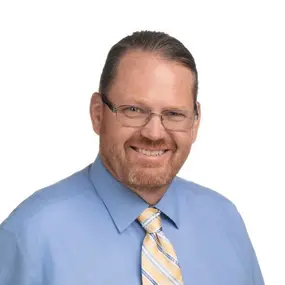
Director of Character Development & Coaching
My name is William J. Allen Jr., and I am the founder and Director of Character Development & Coaching at New Chapter Life Coaching LLC. My mission is to help justice-involved individuals break free from criminal thinking, substance abuse, and the cycle of incarceration by providing accountability, life skills, mentorship, and hope for a better future.
I am a U.S. Army and Air Force veteran with more than 30 years of experience in the criminal justice field through the Michigan Department of Corrections. Throughout my career, I served as a Corrections Officer, Prisoner Counselor, Probation Officer, and Internal Affairs Investigator. I also served as the Lead Probation Officer for Ingham County’s Swift and Sure Sanctions Probation Program and was honored to be nominated for the Candice Dunn Agent of the Year in 2019.
Today, I use my professional experience and personal passion for mentorship to help individuals create lasting change in their lives. Through New Chapter Life Coaching, I develop programs focused on character development, resilience, emotional accountability, communication skills, and successful reentry into society. My coaching approach incorporates evidence-based strategies, including Cognitive Behavioral techniques and Motivational Interviewing, to help individuals identify barriers, change destructive thinking patterns, and build a stronger future.
Based in Clearwater, I continue working with justice-involved individuals, families, community organizations, and professionals who are committed to reducing recidivism and creating… Read More