Angel Willard
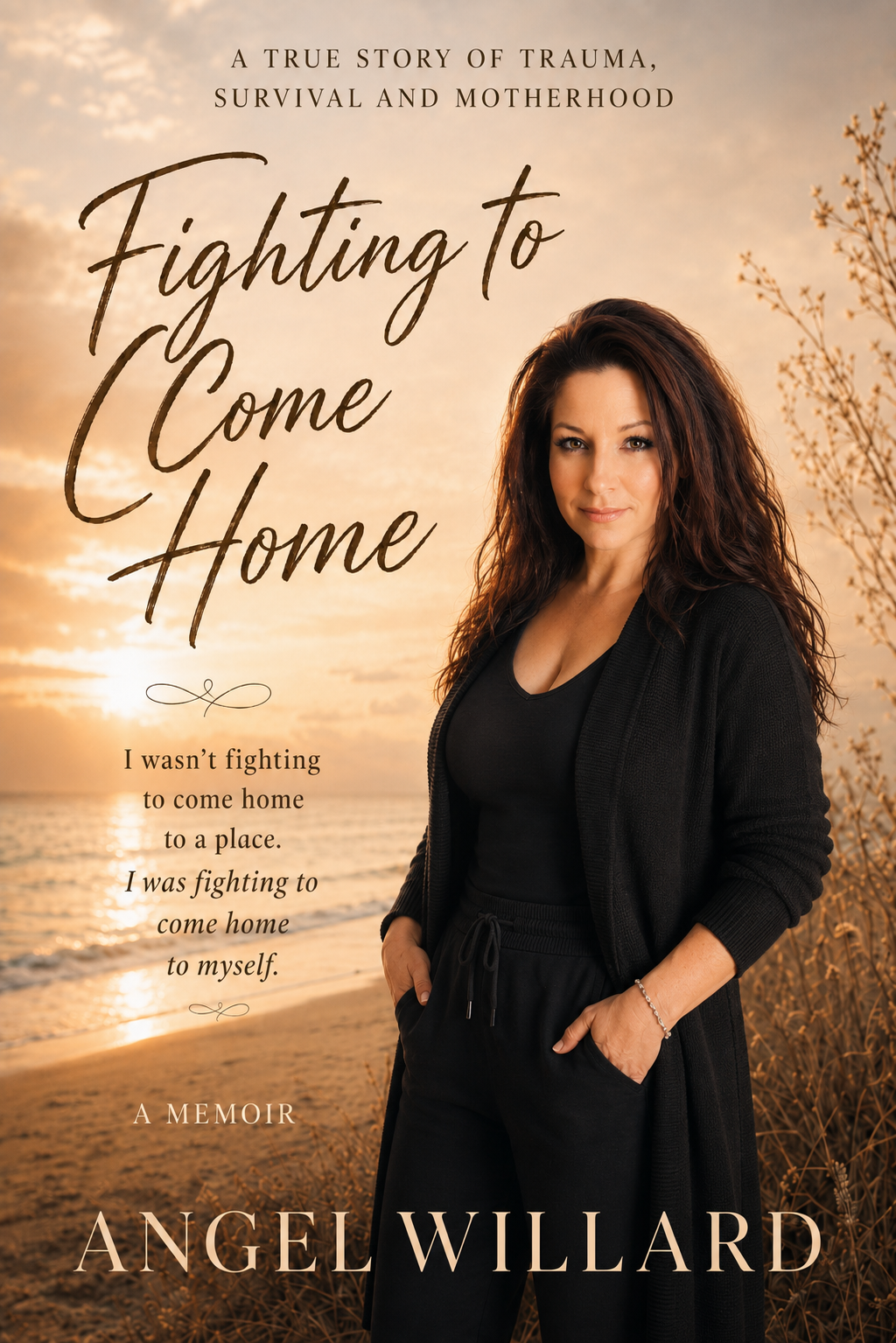
Angel Willard is an author, mother, survivor, and advocate from a small town in British Columbia whose life story is rooted in resilience, accountability, and the courage to rebuild.
Her journey has taken her through childhood trauma, loss, motherhood, a catastrophic motor vehicle accident, years of chronic pain and physical recovery, incarceration, separation from her children, grief, and the difficult work of rebuilding her identity and her life. Rather than allowing those experiences to define the rest of her story, Angel chose to confront them honestly including the choices she regrets, the lessons she learned, and the generational patterns she was determined to break.
After surviving a devastating car accident that left her with life-changing injuries and months of hospitalization, Angel faced years of surgeries, chronic pain, disability, and uncertainty about what her future would look like. Her life later took another dramatic turn when she experienced incarceration and the heartbreak of being separated from her family. Those experiences forced her to look deeply at herself and ultimately became part of a much larger journey toward accountability, healing, faith, motherhood, and purpose.
Angel is the author of Fighting to Come Home, a deeply personal memoir about trauma, survival, motherhood, incarceration, healing, and what it means to find your way back to yourself after life has changed you. For Angel, “coming home” became about much more than returning to a physical place—it became about rediscovering who she was beneath the pain, shame, mistakes, expectations, and experiences that had shaped her.
She is also the author of The Litigation Landmine: A Guide to Ruining Your Own Case, which uses lived experience, honesty, and humor to explore the difficult realities of navigating a long personal injury claim while living with serious injuries and an imperfect past.
Today, Angel uses her voice to have honest conversations about resilience, accountability, chronic pain, motherhood, breaking generational cycles, rebuilding after incarceration, and turning painful experiences into purpose. She does not present healing as perfect or linear. Instead, she speaks openly about what it looks like to keep moving forward when rebuilding is uncomfortable, complicated, and deeply human.
Through her books and conversations, Angel hopes to remind others that the hardest chapters of a person's life do not have to become the final ones. Her story is ultimately about fighting for family, fighting for a future, and learning that sometimes the most important journey home is the journey back to yourself.